Moneycontrol PRO
HomeNewsIndiaDGCA issues guidelines for transportation of COVID-19 vaccine by air

DGCA issues guidelines for transportation of COVID-19 vaccine by air

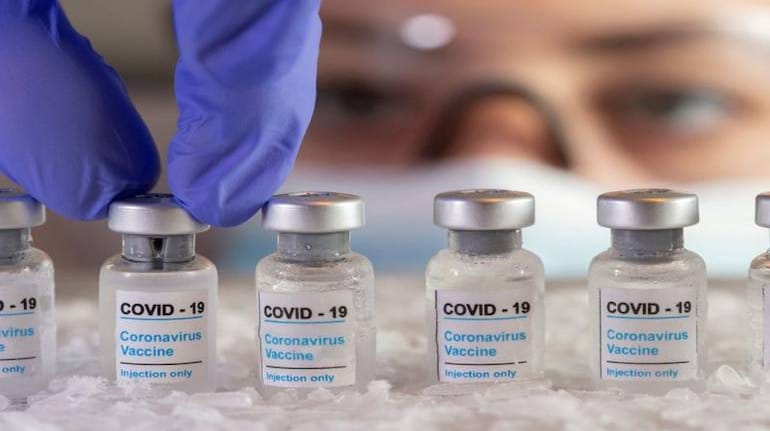
The guidelines clearly state that the preferred mode of transport for the COVID-19 vaccine would be air considering the urgency at which it is required.

January 08, 2021 / 20:21 IST

As India gears up to start its vaccination drive against COVID-19, the Director General of Civil Aviation (DGCA) on January 8 issued a set of guidelines that airline operators must follow while transporting the vaccine.

The DGCA has highlighted the importance of the carriage of vaccine from the place of manufacture to the place of administration considering 'the high expectations of the government(s), health care personnel and the general public'.

As per the guidelines, all scheduled operators that have currently been authorised to carry dangerous goods can transport the COVID-19 vaccine. Those that are not scheduled including operators in general aviation, need to seek specific approval before commencing the operations.

Dry ice as refrigerant material  

The circular clearly states the need for extremely low temperatures for the COVID-19 vaccine and hence identifies dry ice (carbon dioxide solid) as the refrigerant material in which the vaccine will be packaged. Subsequently, it is classified as 'miscellaneous dangerous goods'

COVID-19 Vaccine

Frequently Asked Questions

View more
How does a vaccine work?

A vaccine works by mimicking a natural infection. A vaccine not only induces immune response to protect people from any future COVID-19 infection, but also helps quickly build herd immunity to put an end to the pandemic. Herd immunity occurs when a sufficient percentage of a population becomes immune to a disease, making the spread of disease from person to person unlikely. The good news is that SARS-CoV-2 virus has been fairly stable, which increases the viability of a vaccine.

How many types of vaccines are there?

There are broadly four types of vaccine — one, a vaccine based on the whole virus (this could be either inactivated, or an attenuated [weakened] virus vaccine); two, a non-replicating viral vector vaccine that uses a benign virus as vector that carries the antigen of SARS-CoV; three, nucleic-acid vaccines that have genetic material like DNA and RNA of antigens like spike protein given to a person, helping human cells decode genetic material and produce the vaccine; and four, protein subunit vaccine wherein the recombinant proteins of SARS-COV-2 along with an adjuvant (booster) is given as a vaccine.

What does it take to develop a vaccine of this kind?

Vaccine development is a long, complex process. Unlike drugs that are given to people with a diseased, vaccines are given to healthy people and also vulnerable sections such as children, pregnant women and the elderly. So rigorous tests are compulsory. History says that the fastest time it took to develop a vaccine is five years, but it usually takes double or sometimes triple that time.

View more
Show

The DGCA also said all operators while engaging in the transportation of COVID-19 vaccines packed with dry ice shall establish the maximum quantity of dry ice that can be loaded in a given cargo hold and/or compartment or in the main deck (passenger cabin) when a passenger version aircraft is deployed for all cargo operations.

“This maximum quantity shall be based on the aircraft manufacturers’ information on maximum recommended dry ice quantities that the aircraft ventilation can support, depending on the sublimation rate and also the requirement of the operators’ Safety Management Systems,” it noted.

Operators' responsibility

The circular also specifies in detail what responsibilities does the flight operator hold. It clearly differentiates between the rules for when the vaccine is being carried in a cargo compartment and when being transported in a passenger cabin. When it's being transported in a passenger cabin:

  • Passengers will not be allowed on board
  • The operator needs to take all necessary precautions to make sure the flight crew is not harmed by carbon dioxide intoxication.
  • The crew also needs to be trained well in all the procedures involved in the operation and the risks and hazards of dry ice.

The operator is also responsible for preparing a list of do's & don'ts that must cover all details regarding loading and unloading of vaccine amidst various other rules. The package that is carrying the COVID-19 vaccine packed in dry ice must clearly mention DRY ICE or CARBON DIOXIDE SOLID and specify the net quantity contained in each package.

Moneycontrol News
first published: Jan 8, 2021 08:21 pm

Discover the latest Business News, Sensex, and Nifty updates. Obtain Personal Finance insights, tax queries, and expert opinions on Moneycontrol or download the Moneycontrol App to stay updated!

Subscribe to Tech Newsletters

  • On Saturdays

    Find the best of Al News in one place, specially curated for you every weekend.

  • Daily-Weekdays

    Stay on top of the latest tech trends and biggest startup news.

Advisory Alert: It has come to our attention that certain individuals are representing themselves as affiliates of Moneycontrol and soliciting funds on the false promise of assured returns on their investments. We wish to reiterate that Moneycontrol does not solicit funds from investors and neither does it promise any assured returns. In case you are approached by anyone making such claims, please write to us at grievanceofficer@nw18.com or call on 02268882347