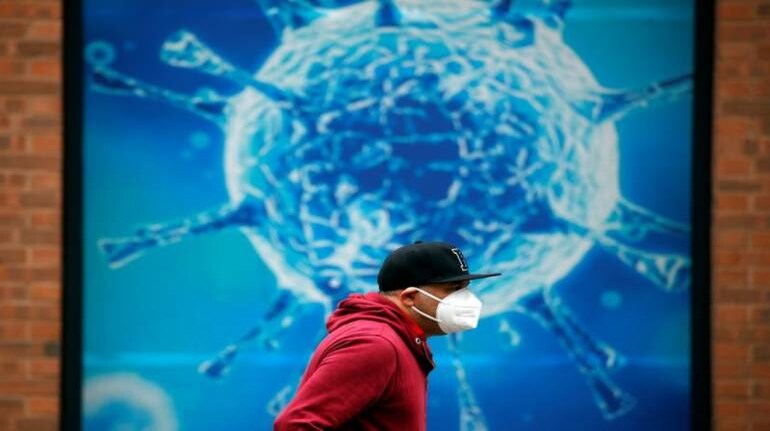
Although COVID-19 patients may lose their sense of smell, they can breathe freely, do not tend to have a runny or blocked nose, and cannot detect bitter or sweet tastes, a study published on August 19 has found. The study is the first to compare how people with COVID-19 smell and taste disorders differ from those with other causes of upper respiratory tract infections, according to the researchers, including those from the University of East Anglia (UEA) in the UK.
The researchers hope that their work could help develop smell and taste tests for fast COVID-19 screening - in primary care and emergency departments.
The findings, published in the journal Rhinology, lend weight to the theory that COVID-19 infects the brain and central nervous system.
"The loss of smell and taste is a prominent symptom of COVID-19, however, it is also a common symptom of having a bad cold,” said lead researcher Carl Philpott, a professor at UEA's Norwich Medical School.
Follow our LIVE blog for the latest updates of the novel coronavirus pandemic
“We wanted to find out exactly what differentiates COVID -19 smell loss with the kind of smell loss you might have with a cold and blocked-up nose," Philpott said.
The research team carried out smell and taste tests on 10 COVID-19 patients, 10 people with bad colds and a control group of 10 healthy people -- all matched for age and sex.
"We wanted to see if their smell and taste test scores could help discriminate between COVID-19 patients and those with a heavy cold,” Philpott said.
The researchers noted that COVID-19 behaves differently to other respiratory viruses, for example by causing the body's immune system to over-react, known as a cytokine storm, and by affecting the nervous system.
They found that smell loss was much more profound in the COVID-19 patents, and they were less able to identify smells, and were not able to identify bitter or sweet tastes.
The researchers said it was this loss of true taste which seemed to be present in the COVID-19 patients compared to those with a cold.
"This is very exciting because it means that smell and taste tests could be used to discriminate between COVID-19 patients and people with a regular cold or flu,” Philpott said.
"Although such tests could not replace formal diagnostic tools such as throat swabs, they could provide an alternative when conventional tests are not available or when rapid screening is needed -- particularly at the level of primary care, in emergency departments or at airports,” he added.
The study also shows that there are altogether different things going on when it comes to smell and taste loss for COVID-19 patients, compared to those with a bad cold, the researchers said.
Follow our full coverage on COVID-19 here.
Discover the latest Business News, Sensex, and Nifty updates. Obtain Personal Finance insights, tax queries, and expert opinions on Moneycontrol or download the Moneycontrol App to stay updated!
Find the best of Al News in one place, specially curated for you every weekend.
Stay on top of the latest tech trends and biggest startup news.