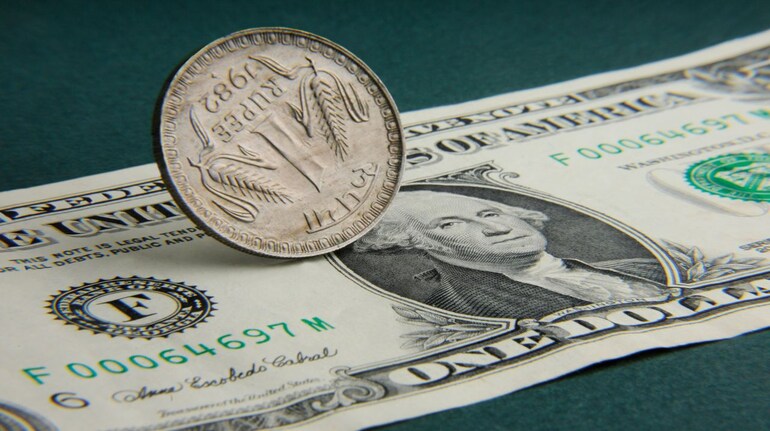

The rupee’s slide to a record low of 92 against the US dollar on January 23 is expected to push up the cost of imports such as crude oil, electronic goods, overseas education and foreign travel, raise inflationary pressures, while offering some relief to exporters.
The domestic currency has weakened by 202 paise, or over 2 per cent, so far this month. In 2025, it had declined 5 per cent amid sustained foreign fund outflows and a strong US dollar.
A depreciating rupee has an immediate impact on importers, who are required to pay more for the same quantity of goods. India meets around 85 per cent of its fuel requirements—such as petrol, diesel and jet fuel—through imports.
At the same time, exporters stand to benefit as they receive higher rupee earnings for every dollar earned.
Impact on spending
Imports: India’s import basket includes crude oil, coal, plastics, chemicals, electronic goods, edible oils, fertilisers, machinery, gold, pearls, precious and semi-precious stones, and iron and steel. Since importers need to purchase dollars to settle payments, a weaker rupee makes imports costlier. Apart from oil, prices of electronic items such as mobile phone components, select automobiles and appliances are also likely to rise.
Foreign education: A softer rupee increases the cost of studying abroad, as students need to pay more rupees for every dollar charged by overseas universities.
Foreign travel: Overseas travel becomes more expensive as travellers have to spend more rupees to buy dollars for expenses abroad.
Remittances: Non-resident Indians (NRIs) remitting money to India benefit from higher rupee conversions.
Exports: Exporters gain from the depreciation as they earn more rupees per dollar. However, exporters dependent on imported inputs may see the benefits partially offset.
In theory, sectors with lower import dependence, such as textiles, are likely to benefit more from a weaker rupee, while sectors with high import content, including electronics, may see limited gains.
According to the latest data, India’s imports rose 8.7 per cent to $63.55 billion in December 2025. The trade deficit stood at $25.04 billion during the month, compared with $24.53 billion in November 2025 and $22 billion in December 2024.
Crude oil imports, largely denominated in dollars, increased by around 6 per cent to $14.4 billion in December 2025. Silver imports surged nearly 80 per cent to $758 million, while gold imports declined 12 per cent to $4.13 billion.
Think tank GTRI has said that achieving long-term economic stability will require India to strike a balance between growth and inflation management, while reassessing its approach to rupee management and trade strategy.
The Federation of Indian Export Organisations (FIEO) noted that while a weaker rupee improves the global price competitiveness of Indian goods, sectors with high import dependence—such as gems and jewellery and electronics—may see the currency advantage diluted by higher input costs.
Discover the latest Business News, Sensex, and Nifty updates. Obtain Personal Finance insights, tax queries, and expert opinions on Moneycontrol or download the Moneycontrol App to stay updated!
Find the best of Al News in one place, specially curated for you every weekend.
Stay on top of the latest tech trends and biggest startup news.