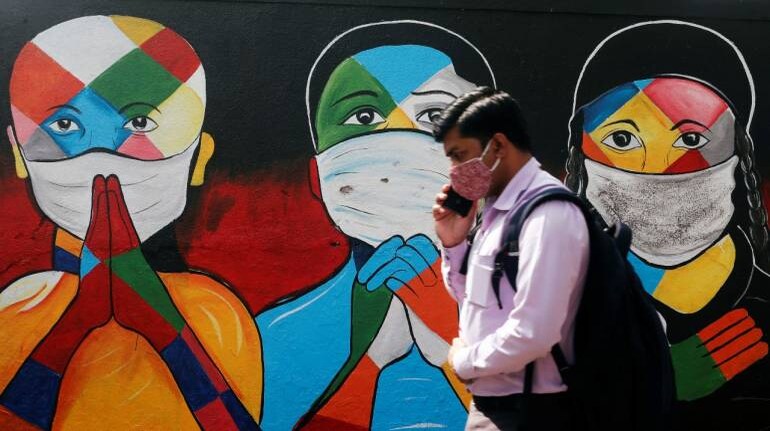
A survey by community social platform LocalCircles found rising complacency among Indians in following COVID-19 preventive measures such as wearing masks and maintaining a physical distance.
The survey that received more than 8,000 responses from citizens located in 238 districts of India, found that 30 percent, citizens say that mask compliance is followed in their district or city, while only 12 percent say social distancing rules have been complied with.
About 51 percent of the citizens who took part in the survey were from metro or tier 1 district, while 28 percent were located in tier 2 districts while 21 percent were based in tier 3, 4, or rural districts of India.
LocalCircles said the survey tried to understand citizens’ experience and observation of people in their area, on whether they are complying with wearing a mask and following social distancing norms.
About 16 percent of the responders said there isn't any compliance at all for both social distancing and wearing a mask, 18 percent said there is no compliance to social distancing but people are wearing masks.
Around 22 percent said there is no compliance to social distancing and limited compliance to wearing a mask, 2 percent said no compliance to wearing mask and limited compliance to social distancing, and 29 percent said limited compliance to both wearing mask and social distancing.
Only 12 percent of citizens said there is a good compliance to both social distancing and wearing a mask, while 2 percent couldn’t say.
"The objective of the survey was to assess where masks and social distancing compliance stands in case India was to experience the propagation of new mutant strains, especially the B.1.1.7 or the UK strain, and B.1.351 aka E484K or the South African strain. The B.1.1.7 has been known to have a 50% higher transmission rate, while the B.1.351 is known to evade the vaccine and even neutralize any existing COVID-19 antibodies in an individual," LocalCircles said.
COVID-19 cases in India began decline since October from 75,000 cases a day to 15,000 cases a day in January.
As the caseload declined and the COVID-19 vaccination drive began and the government removed all the lockdown restrictions, people started going back to the pre-Covid lifestyle. Many offices, which had implemented work from home, started calling employees from January, and schools in many states have resumed for middle and senior class students.
Vacation destinations became over-crowded starting November, malls and markets started to see a sizeable increase in footfalls, and even restaurants started to see more customers visiting instead of ordering a takeaway. With the declining caseloads and India crossing the 10 million vaccination milestone, a majority of people now believe that Covid is gone.
LocalCircles said it received many reports from citizens about how masks were not being used in many smaller towns anymore or were on their chin that rarely covered the mouth and the nose. Also, many reports were received about how people in private and public events, and markets rarely followed social distancing compliance.
But since February 14, India, especially Maharashtra is seeing surge in cases. Maharashtra Chief Minister Uddhav Thackeray warned that the state would impose a strict lockdown if people did not follow COVID-19 norms for the next eight days.
He also announced a complete ban for a few days on all social, religious and political gatherings as well as protests to limit the spread of COVID-19.
A spike COVID-19 cases in the city of Amravati in Maharashtra was linked dangerous strain E484K that is known to evade the vaccine and neutralize antibodies.

Discover the latest Business News, Sensex, and Nifty updates. Obtain Personal Finance insights, tax queries, and expert opinions on Moneycontrol or download the Moneycontrol App to stay updated!
Find the best of Al News in one place, specially curated for you every weekend.
Stay on top of the latest tech trends and biggest startup news.