




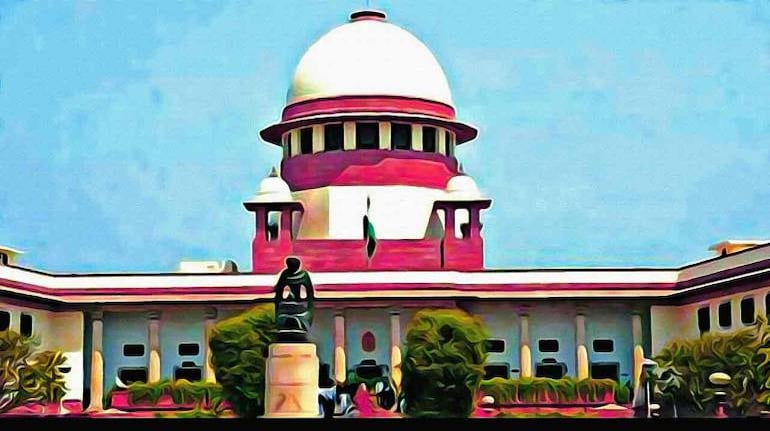
A clutch of major banks, including country's largest lender, State Bank of India (SBI), HDFC Bank and Axis Bank have moved the Supreme Court with petitions against the Reserve Bank of India (RBI) disclosing information on bank inspection reports to the general public under the Right to Information (RTI) Act.
These petitions are likely to come up for hearing on 22 July, according to a person familiar with the development.
"SBI has moved a writ petition and another one by a group of banks including HDFC Bank, Axis and ICICI Bank. Both argue against the directive to disclose information under RTI," said the person.
Banks have questioned the disclosure of inspection report details under RTI will be breach of privacy of the clients. Also, RTI is supposed to be answered by government organisations and not private banks, banks argued. An earlier Supreme Court order said banks' inspections reports will have to made public under the RTI Act. Banks have moved courts against this but the SC has so far refused to recall the earlier ruling.
In July, the SC had refused the prayers made by Punjab National Bank and Union Bank of India to stay the RTI notices issued to them by the Reserve Bank of India to disclose information with respect to defaulters and inspection lists etc.Banks have been arguing that revealing sensitive individual customer information and inspection reports to the general public will harm the confidentiality in the transactions.
Interestingly, on 8 July, the Central Information Commission (CIC) has stayed the order of the First Appellate Authority (FAA) of the Reserve Bank of India (RBI) which had directed the disclosure of information on non-performing assets (NPAs) and top defaulters of the Saraswat Co-operative Bank Limited.
Should RBI disclose bank information?
There is a larger question here. According to a senior industry official, there is no harm in RBI disclosing all information with respect to the functioning of banks including the inspection reports and list of defaulters because public have a right to know about what's going on in banks. Banks are ultimately guardians of public money, the official said.
"Banks will oppose disclosure of information only if they have something to hide," said the official quoted above. "As such, the RBI takes client confidentiality very seriously. But, there is a Supreme Court direction," the official said.
Why are banks worried about such disclosures?
Banks fear that revealing the finer details of inspections and defaulter details will affect the relations with large corporate clients and will be sensitive to investors in the market. The Supreme Court has always maintained that the RBI must disclose details of defaulters in the public interest but banks have opposed it strongly.
In March 2016, the RBI gave a list of defaulters to the SC but requested not to reveal the names. "Disclosing details of accounts where defaults have been found irrespective of the reasons for no-repayment may have adverse impact for business and in a way may accentuate the failure of business rather than nursing it back to health," the Reserve Bank of India said in an affidavit submitted along with the list of defaulters.

Discover the latest Business News, Sensex, and Nifty updates. Obtain Personal Finance insights, tax queries, and expert opinions on Moneycontrol or download the Moneycontrol App to stay updated!
Find the best of Al News in one place, specially curated for you every weekend.
Stay on top of the latest tech trends and biggest startup news.