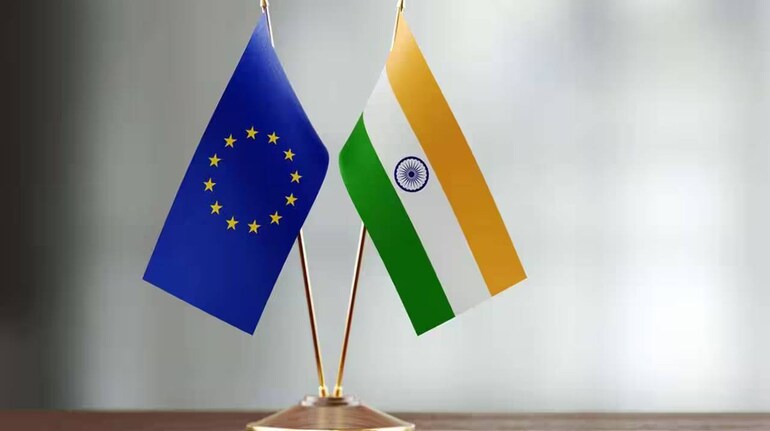

India’s pharmaceutical and medical‑technology sectors on Tuesday broadly welcomed the conclusion of the long‑pending India–EU Free Trade Agreement (FTA), calling it a structural shift that could reshape the country’s role in one of the world’s largest and most tightly regulated healthcare markets. But industry leaders also urged close scrutiny of the fine print, particularly on regulatory alignment, intellectual property (IP) and safeguards for domestic manufacturers.
The agreement, finalised after protracted negotiations, eliminates or drastically reduces tariffs on pharmaceuticals, chemicals and medical devices, while also opening new pathways for Indian medical professionals to work in Europe through formal recognition of their credentials.
Pharma sees a long-term competitiveness boost
Namit Joshi, Chairman of Pharmexcil, said the FTA marks a “watershed moment for India’s pharmaceutical exports and its long‑term partnership with Europe.”
He said near‑zero tariff access would “significantly strengthen the position of Indian formulations, APIs, and value‑added medicines in the EU,” especially benefiting MSMEs that face high compliance and entry costs.
Joshi added that the deal delivers a “balanced approach to intellectual property,” reaffirming TRIPS‑aligned protections while safeguarding India’s generics ecosystem. The agreement, he said, offers predictability and regulatory certainty, enabling Indian companies—small and large—to integrate more effectively into European supply chains.
Large drugmakers welcome tariff removal, await details
The Indian Pharmaceutical Alliance (IPA) also endorsed the FTA as an important milestone.
“Indian companies play a critical role in supplying quality‑assured, affordable medicines to Europe,” said IPA Secretary General Sudarshan Jain, noting that removing EU tariffs of up to 11 percent will “enhance trade and support greater access to innovative medicines for Indian patients.”
Jain also welcomed the reaffirmation of TRIPS and the Doha Declaration, suggesting the IP chapter is unlikely to disrupt India’s generic model.
However, Jain said the association would examine the detailed text before assessing broader industry implications.
MedTech firms cautious on regulatory safeguards
India’s medical devices sector expressed optimism but flagged the need for strict checks against unfair competition.
“The India–EU FTA must ensure a level playing field for India’s medical device manufacturers,” said Rajiv Nath, Forum Coordinator at AiMeD. He stressed the need for fair regulatory alignment, safeguards against “predatory imports, especially from 3rd countries,” and a Mutual Recognition Agreement (MRA) based on common ISO standards to avoid disadvantaging domestic manufacturers.
Despite concerns, Nath said the FTA could enable “high‑value collaboration, boost domestic manufacturing, and support India’s ambition to become a top‑five global MedTech hub.”
MNC MedTech players expect lower duties, expanded access
European medical device manufacturers operating in India are positioning themselves to benefit as well.
“This landmark agreement… is expected to open a new chapter in healthcare cooperation—where success will be measured not only in GDP, but in lives improved and saved,” said Pavan Choudary, Chairman of the Medical Technology Association of India (MTaI).
He said Indian exports of medical textiles, surgical instruments and disposables could see a significant boost, while European companies hope for lower duties, stronger participation in public procurement and greater incentives for local manufacturing. Tariff cuts on medical devices, Choudary added, should improve affordability and access for patients.
Specialty drugs, GLP‑1 therapies likely to become cheaper
The FTA could also reduce prices of high‑value specialty drugs and biologics, especially in fast‑growing segments like weight‑loss and diabetes treatments.
“The India–EU Trade Deal can be transformational for healthcare access in India,” said Saurav Ojha, Co‑Founder of Iberia Pharmaceuticals.
He expects a 10–20% reduction in prices of certain advanced therapies in the near term, with costs potentially falling 40–70% over the next two to three years as biosimilars enter the market, local manufacturing scales up and patents expire.
Citing India’s 101 million diabetics and a rapidly rising obesity burden, Ojha said expanded access to GLP‑1 drugs such as semaglutide could become a “pillar of preventive healthcare”— with the FTA acting as a catalyst for affordability and earlier market entry of biosimilars.
Broader gains & remaining questions
Under the agreement, Indian tariffs on EU pharmaceutical exports will drop from 11% to zero, while tariffs of up to 22% on chemicals and 27.5% on medical equipment will also be eliminated for most products. The EU will reciprocate by cutting tariffs on 97.5% of India’s chemical exports.
The deal comes with strict safeguards, with the EU clarifying that all Indian imports will continue to be subject to its rigorous health and product‑safety rules.
While the full text is yet to be released, industry groups across pharma and MedTech agree that the FTA represents a rare opportunity to deepen India–EU healthcare cooperation—provided the regulatory and IP provisions preserve the competitiveness of domestic manufacturers.
The story will be updated when the final text of the agreement is made public.
Discover the latest Business News, Sensex, and Nifty updates. Obtain Personal Finance insights, tax queries, and expert opinions on Moneycontrol or download the Moneycontrol App to stay updated!
Find the best of Al News in one place, specially curated for you every weekend.
Stay on top of the latest tech trends and biggest startup news.