
India's largest airline is not just dominating the skies, it is also building a growing ecosystem around its loyal flyers. IndiGo closed 2025 with a 64 percent annual market share, up from 61.9 percent in 2024, and carried over 1,068 lakh passengers during the year, far ahead of rivals. As more Indians choose the airline, banks are increasingly partnering with it to tap into travel-driven spending.
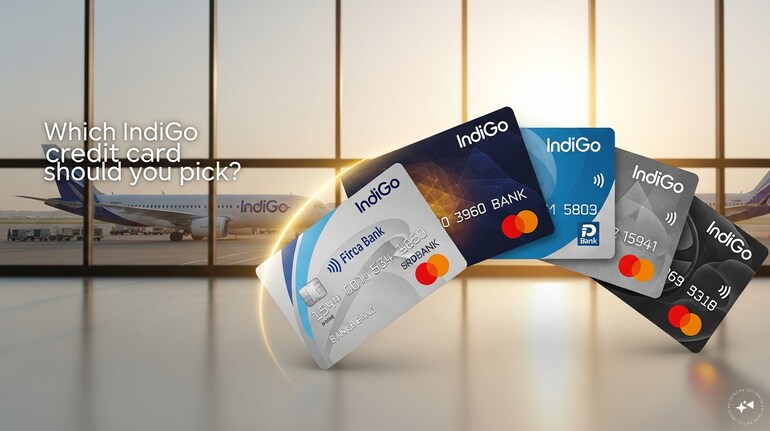
The latest entry comes from Axis Bank, which has launched two co-branded cards. But travellers already had options from SBI Card and IDFC FIRST Bank. That means flyers now face a choice across five IndiGo-linked credit cards, each promising rewards, lounge access, or travel perks.
So how do you decide which one fits your spending and travel habits? The answer lies in understanding how these cards differ in fees, reward acceleration and travel benefits.
Why IndiGo co-branded cards are gaining traction
If you’ve flown even a couple of times in the past year, chances are one of those trips was on IndiGo. The airline’s extensive domestic network and frequent departures mean many travellers end up booking it almost by default, whether for work trips, quick family visits, or last-minute getaways.
That repeat behaviour is exactly what makes airline credit cards appealing. For frequent flyers, the appeal is simple: earn rewards faster on the airline you already use. For occasional travellers, these cards can still work as an entry point into travel rewards without needing complicated points transfers or conversions.
But here’s where things get tricky. With multiple IndiGo cards now available across different banks, the value proposition is confusing. That makes understanding the fine print just as important as comparing headline reward rates.
What the entry and mid-tier cards really offer
At the affordable end, the choice largely comes down to the base cards from Axis and SBI. Even though the Axis and SBI base cards look similar on reward rates, their overall positioning feels quite different once you look beyond the headline numbers.
The IndiGo Axis Bank Credit Card is clearly designed as a starter airline card. The lower annual fee keeps the entry barrier minimal, and the reward structure is straightforward. For users who prefer simplicity, this card quietly rewards everyday spending without pushing aggressive milestone targets.
The IndiGo SBI Card, on the other hand, feels slightly more “travel-structured.” While the annual fee is higher, it compensates with milestone bonuses at multiple spend thresholds. Travel and hotel spending also earn rewards, which adds value for users who book beyond just flights.
There are a few smaller perks too, such as a fuel surcharge waiver and milestone BluChips, that make the card feel more rounded as a general-purpose travel companion.
Put simply, the Axis card works best as a low-cost, everyday rewards card with an airline tilt, while the SBI variant rewards consistent spenders who don’t mind chasing milestones for extra value.
Looking beyond the numbers: how premium cards differ in practice
The premium segment is where the differences become more personality-driven than purely numerical.
The IndiGo Axis Bank Premium Credit Card sits in the middle of the spectrum, blending airline rewards with everyday spending categories. Cardholders earn IndiGo rewards not just on flight bookings but also across segments like groceries and dining. Lifestyle tie-ups, including movie and dining offers, also add value.
On the travel side, the card offers a Priority Pass membership along with domestic and limited international lounge access linked to spending milestones. These benefits enhance airport comfort but broadly mirror what many premium travel cards already provide.
The IndiGo SBI Card Elite is more clearly geared toward frequent flyers. Alongside a similar reward rate on IndiGo bookings, it offers stronger international lounge access and a wider set of travel insurance covers, including flight cancellation and lost baggage protection.
Milestone rewards further differentiate the SBI Elite card, with higher spending unlocking additional IndiGo rewards through the year. This structure can significantly boost returns for cardholders who make substantial expenses through credit cards.
The IndiGo IDFC FIRST Credit Card does not offer complimentary lounge access, but positions itself around cost efficiency. Its relatively low forex markup of 1.49 percent stands out within the co-branded segment and can help reduce overseas transaction costs.
The card also comes with an FD-backed variant aimed at first-time credit users. This version has no joining fee, but requires opening a minimum fixed deposit of Rs 1 lakh, compared with the standard joining fee of Rs 4,999 for the regular card.
What does the IndiGo BluChip programme actually mean for users?
All these cards ultimately feed into the same reward currency, BluChips, but how useful that currency feels depends on your travel behaviour.
What is BluChip? BluChips can be redeemed for flight bookings, seat upgrades, meals, and other add-ons within the IndiGo ecosystem. Welcome bonuses and milestone rewards can build balances, especially in the first year of owning the card. However, the real value comes out when you redeem regularly rather than hoard points.
Another subtle aspect is flexibility. Since the rewards are airline-specific, they work best for travellers who already prefer IndiGo. If your travel plans frequently involve other airlines, redemption flexibility may feel limited compared to general travel credit cards.
That makes BluChips less about aspirational luxury travel and more about practical savings on frequent domestic flights.
So, which one should you pick?
If you’re just beginning to explore airline cards or want a low-commitment option, the Axis base card offers a simple, affordable way to earn travel rewards without chasing spend milestones.
For those who expect moderate travel and steady spending, the SBI base card adds structure through milestone bonuses and travel-category earnings, creating incremental value over time.
Frequent flyers who value airport comfort will likely gravitate towards the Axis Premium or SBI Elite cards. The choice between the two often comes down to preference, Axis leans into lifestyle perks and balanced rewards, while SBI emphasises travel insurance and broader lounge access.
Meanwhile, travellers who fly IndiGo regularly and want to maximise reward accumulation, especially on international spends, may find the IDFC FIRST card compelling despite the absence of lounge benefits.
Discover the latest Business News, Sensex, and Nifty updates. Obtain Personal Finance insights, tax queries, and expert opinions on Moneycontrol or download the Moneycontrol App to stay updated!
Find the best of Al News in one place, specially curated for you every weekend.
Stay on top of the latest tech trends and biggest startup news.