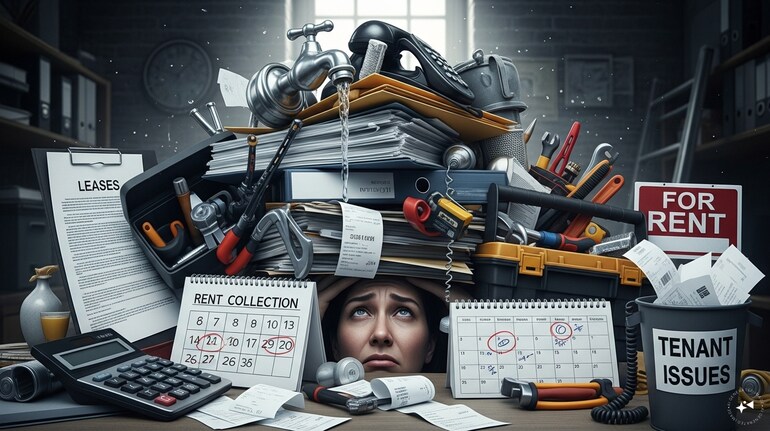

Rental income is often described as “easy money”. The flat is bought, the tenant moves in, and the rent shows up every month. Simple.
Except it almost never stays that way.
Anyone who has been a landlord for more than a year knows this: the real cost of renting out a home isn’t just maintenance or vacancy. It’s time. And more importantly, mental space.
Rent is never just rent
Even when things are going well, a rental property quietly occupies your head. You remember when rent is due. You keep an eye out for that message. You wonder if the tenant will renew or leave.
Nothing dramatic happens, but you’re never fully done with it either.
That’s the first myth to fall apart. Rental income isn’t passive. It’s conditional.
The work starts before a tenant even moves in
Finding a tenant sounds straightforward until you’re doing it yourself. Calls at odd hours. People who say they’ll come and don’t. Negotiations that go in circles. Endless “final final” discussions about rent and painting.
Brokers help, but they don’t disappear once the deal is done. You still verify documents. You still decide who feels right. And you still deal with the fallout if something goes wrong later.
Small problems, constant interruptions
Most tenant issues are not emergencies. That’s what makes them exhausting.
A switch isn’t working. The geyser is acting up. The society has raised an objection. The plumber didn’t turn up. The electrician says it’ll cost more.
Each thing is minor. Together, they chip away at evenings, weekends and workdays. You don’t block time for this. It just spills into everything else.
Money conversations drain energy
Late rent. Requests for a few extra days. Arguments over deductions. Awkward renewal talks.
Even with decent tenants, these conversations carry tension. With difficult ones, they become emotionally taxing. You start rehearsing messages in your head. You delay calls. You dread notifications.
None of this shows up in return calculations.
Paperwork never really ends
Agreements, police verification, tax reporting, TDS in some cases, record-keeping. Miss something and it becomes stressful. Stay on top of it and it still takes time.
Rental property comes with ongoing responsibility, not a one-time setup.
Distance makes everything heavier
If the property is in another city, even simple issues feel amplified. You rely on neighbours, relatives, or handymen you barely know. You’re always coordinating through someone else.
What was meant to be an asset slowly turns into background anxiety.
The real question isn’t yield, it’s bandwidth
Some people genuinely enjoy managing property. They like being hands-on. They don’t mind the calls or the coordination. For them, the time cost feels acceptable.
For others, especially those juggling work, children, ageing parents, or simply burnout, it becomes too much. The rent no longer feels worth the interruptions.
That’s why many people quietly move away from direct property ownership. Not because returns are terrible, but because time has become more valuable than money.
Choosing consciously
Rental property isn’t a mistake. But it’s not effortless either.
Before buying or holding on to one, it’s worth asking a simple, honest question: do I have the time and mental space this needs right now?
Sometimes the best return isn’t higher rent. It’s peace of mind.
Discover the latest Business News, Sensex, and Nifty updates. Obtain Personal Finance insights, tax queries, and expert opinions on Moneycontrol or download the Moneycontrol App to stay updated!
Find the best of Al News in one place, specially curated for you every weekend.
Stay on top of the latest tech trends and biggest startup news.