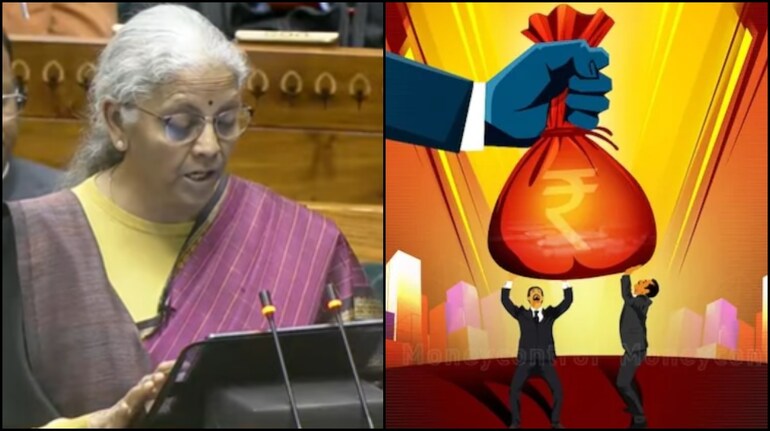

Arbitrage funds, which have gained popularity recently, will likely see some impact on its returns due to the STT hike on futures and options announced in Union Budget 2026. Analysts have suggested what the impact can be, and what investors should do.
While presenting the Union Budget 2026, Finance Minister Nirmala Sitharaman raised STT on futures by 150 percent to 0.05 percent from 0.02 percent. STT on options premium meanwhile was raised from 0.10 percent to 0.15 percent. The changes are set to take effect from April 1.
Arbitrage mutual funds are hybrid funds that generates profits on the ‘arbitrage’ between cash and futures market. This means that these funds buy a stock in the cash market and simultaneously sell it in the futures market at a higher price to generate returns from the difference in the price of the security in the two markets.
Hence, the exposure of these funds to the futures markets is significant.
Here are some of the popular arbitrage fund and how much annualised returns they have delivered over the past one year:
Tata Arbitrage Fund Direct Growth (7.15 percent), Parag Parikh Arbitrage Fund Direct Growth (6.57 percent), Invesco India Arbitrage Fund Direct Growth (7.10 percent), Kotak Equity Arbitrage Fund Direct Growth (6.96 percent), Motilal Oswal Arbitrage Fund Direct Growth (7.48 percent), SBI Arbitrage Opportunities Fund Direct Growth (6.95 percent), Nippon India Arbitrage Fund Direct Growth (6.88 percent), Edelweiss Arbitrage Fund Direct Growth (6.94 percent), Axis Arbitrage Fund Direct Growth (7 percent) and Aditya Birla Sun Life Arbitrage Fund Direct Growth (7.12 percent).
According to estimates shared by CNBC-Awaaz, the rise in STT could result in an annualised impact of 0.3-0.5 percent, depending on what kind of futures exposure the fund has. So if an investor is earning around 6-7 percent returns from these funds, he can expect slightly lower returns as the fund manager now has to pay higher STT, the report added.
Many investors were liking arbitrage funds due to the tax benefits they enjoy, for which they were being looked at for the short-term. Arbitrage funds still remain better that F&O trading tax-wise, but the returns may fall slightly, the report further said.
Raamdeo Agrawal, Chairman & Co-founder of Motilal Oswal Financial Services, said that the STT hike makes many high-frequency and arbitrage trades unviable, which will squeeze market liquidity and leverage in the short term.
Atul Shinghal, Founder & CEO of Scripbox, meanwhile said that the 150 percent hike in STT on futures segment narrows arbitrage opportunities. “Net returns for these funds could drop by annualized 0.20% to 0.40%, diminishing their appeal as a low-risk, short-term money parking alternative,” he said.
Anurag Mittal, Senior Executive Vice President & Head - Fixed Income, UTI AMC, however remained optimistic. “Near-term yields may see pressure, though demand remains supportive. We expect yield curve to remain steep. Moderate duration products like corporate bond funds or income plus arbitrage funds remain most attractive from risk reward perspective,” he said.
Disclaimer: The views and investment tips expressed by experts on Moneycontrol are their own and not those of the website or its management. Moneycontrol advises users to check with certified experts before taking any investment decisions.Discover the latest Business News, Sensex, and Nifty updates. Obtain Personal Finance insights, tax queries, and expert opinions on Moneycontrol or download the Moneycontrol App to stay updated!
Find the best of Al News in one place, specially curated for you every weekend.
Stay on top of the latest tech trends and biggest startup news.