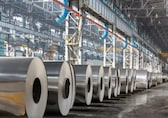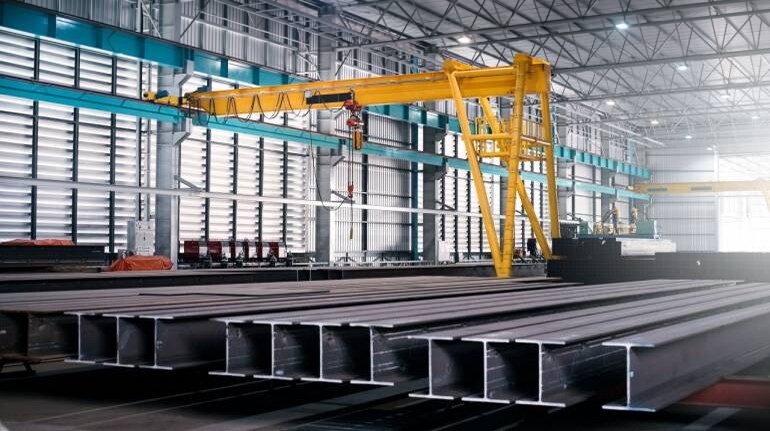
Steel prices are likely to see a two-month low as the ferrous metal sector, including steel and iron ore, is struggling with the rise in China’s rebar inventories. China’s rebar inventories have seen a 35 percent rise year-on-year (YoY).
Dhruv Goyal, Chief Executive Officer (CEO) of Steelmint, says, “China’s steel production has been on a high for the past seven to eight months; their exports have also seen a 30 percent increase compared to last year. This has affected prices in other South Asian countries like India and Turkey because exports were coming in at lower prices from China.”
There has been a decrease in demand even after the relaxation of COVID-19 restrictions that had severely affected the markets. The surge in production, combined with reduced export demand and lower prices from China has created a ripple in the global steel markets.
It is speculated that the annual production cut in China during the coming winter may ease the burden on global steel prices. "If the rumoured output cut policy is implemented in China, they would have to limit the production to three or four million tonnes per month, which will help balance the market prices," says Goyal.
The strength of the US dollar has also affected the competitiveness of steel exports. The two-month high of the US dollar has significantly affected China’s steel export prices.
In India, however, the growth of the steel industry has been prominent over the last few years due to a surge in energy transition initiatives. Various exports, both direct and indirect, are contributing to this shift.
"It is estimated that India can reach a production level of as high as 135 million tonnes in FY2024 compared to 125 million tonnes last year, and demand will increase to 128 million tonnes against last year’s 120 million tonnes," speculates Goyal.
The markets can expect an increase in volume and demand for steel production, but prices are likely to depend more on China and may not see a high.
Lastly, the Jackson Hole meeting in the US scheduled on August 25 could also impact steel prices and the markets as a whole.
In conclusion, China’s rebar surge and the US dollar’s two-month high are crucial factors in the current steel price regime. On the other hand, India’s production growth and the Jackson Hole meeting could become the deciding factors for the steel market in the next quarter.
Discover the latest Business News, Sensex, and Nifty updates. Obtain Personal Finance insights, tax queries, and expert opinions on Moneycontrol or download the Moneycontrol App to stay updated!

Find the best of Al News in one place, specially curated for you every weekend.
Stay on top of the latest tech trends and biggest startup news.