
India and the U.S., on Saturday, unveiled a framework for an Interim Trade Agreement that marks a decisive reset in bilateral commerce after months of tariff-related tensions. The deal sharply lowers US duties on Indian goods, opens up preferential market access across key sectors, and eases regulatory barriers, while ring-fencing sensitive agricultural and dairy interests at home.
With reciprocal US tariffs on Indian exports cut to 18 percent from 50 percent, and zero duties on select products, the agreement effectively opens access to a $30 trillion US market, with export-oriented sectors and MSMEs among the biggest beneficiaries.
Under the interim framework, the U.S. will apply an 18 percent reciprocal tariff on a wide range of Indian-origin goods, including textiles and apparel, leather and footwear, plastics and rubber, organic chemicals, home décor, artisanal products and select machinery. Subject to the successful conclusion of the interim agreement, the US will remove tariffs on several high-value categories, including generic pharmaceuticals, gems and diamonds, and aircraft parts.
At the same time, India has agreed to eliminate or reduce tariffs on all US industrial goods and a wide basket of agricultural and food products, such as dried distillers’ grains, red sorghum for animal feed, tree nuts, fresh and processed fruits, soybean oil, wine and spirits.
Both sides have committed to addressing non-tariff barriers, setting clear rules of origin to ensure benefits accrue primarily to India and the US, and providing each other sustained preferential market access as they work towards a comprehensive Bilateral Trade Agreement (BTA).
Textiles and apparel: competitiveness returns
Textiles and apparel emerge as one of the largest gainers from the tariff reset. With duties cut to 18 percent, Indian exporters regain price competitiveness in the world’s largest apparel market.
The framework’s promise of sustained preferential access is expected to help Indian manufacturers expand order volumes, improve margins and claw back market share lost to rival Asian exporters. For labour-intensive clusters, the deal strengthens both export prospects and employment potential.
Leather and footwear: Relief for MSME clusters
Lower US tariffs offer a direct boost to India’s leather and footwear exporters, many of whom operate within MSME-heavy clusters. The US remains a key destination for value-added leather goods, and reduced duties allow exporters to price more competitively without eroding margins.
This is expected to support export-led growth and job creation in regions dependent on leather and footwear manufacturing.
Gems and jewellery: Zero-duty access delivers instant gains
The decision to bring tariffs down to zero on gems and diamonds provides immediate upside for India’s gems and jewellery sector. The US is one of the largest markets for polished diamonds and jewellery, and duty-free access is set to boost both export volumes and profitability.
Reduced cost uncertainty and smoother trade flows further strengthen India’s position as a global hub for processing and design.
Generic pharmaceuticals: Tariff relief plus regulatory clarity
Generic pharmaceuticals stand out as a high-impact beneficiary. Zero tariffs on a wide range of generics, coupled with negotiated outcomes on regulatory issues, reinforce India’s role as a key supplier of affordable medicines to the US.
Beyond pricing advantages, the framework addresses long-standing trade barriers, offering greater predictability to Indian pharma companies operating in a tightly regulated US market.
Aircraft parts: Section 232 relief lifts aerospace manufacturing
The agreement grants India exemptions under Section 232 on aircraft parts and related components imposed under US national security proclamations on aluminium, steel and copper.
Zero tariffs and quota-based access improve the business case for manufacturing aircraft parts in India for global supply chains. India will also receive a preferential tariff rate quota for automotive parts, consistent with US national security requirements. These provisions align with the government’s ‘Make in India’ push in aviation and support high-skill manufacturing jobs.
Furthermore, Commerce Minister Piyush Goyal underlined that sensitive agricultural and dairy sectors have been fully protected in the deal to safeguard domestic farmers.
“Farmers Safe, Country Developed… In the India-US trade agreement, dairy, fruits, vegetables, spices, and other grains have been protected. This will safeguard the interests of domestic farmers, strengthen local agriculture through preferential access to such a large market, and mark another powerful step forward in the direction of a self-reliant India,” Goyal said in a post on X.
The protected list includes dairy products such as milk, cheese, cream, butter, ghee, yoghurt and whey products; grains like wheat, rice, maize, millet, sorghum, barley and oats; vegetables including frozen potatoes, peas, beans, cucumbers, mushrooms and mixed canned vegetables; and spices ranging from pepper and chilli to turmeric, ginger, cumin and coriander.
Sensitive items such as poultry, meat, ethanol, tobacco and select vegetables remain outside tariff concessions, ensuring continued protection for rural livelihoods.
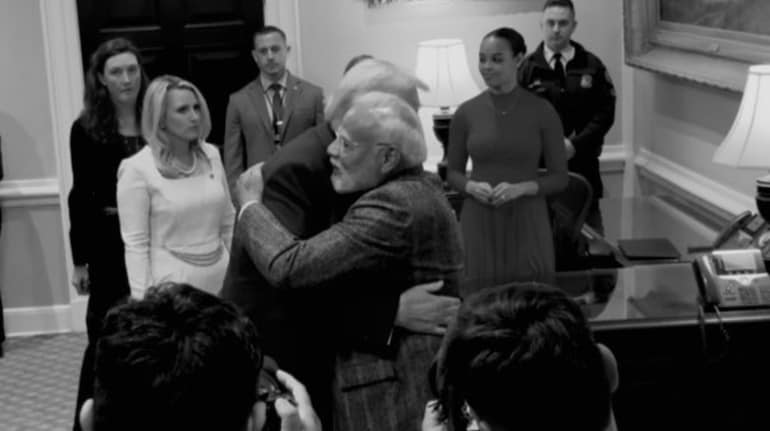
Prime Minister Narendra Modi hailed the framework as a reflection of growing trust and depth in India-US ties, thanking US President Donald Trump for his “personal commitment” to the partnership.
Meanwhile, industry bodies have broadly welcomed the framework.
PHDCCI CEO and Secretary General Ranjeet Mehta said the interim tariff agreement could “potentially expand market access for exporters in both countries and provide a stable and comprehensive trade framework.”
FICCI Director General Jyoti Vij called the deal “a major stride in strengthening economic ties,” noting that by addressing tariffs, regulatory barriers and supply chain constraints, it creates fresh momentum for manufacturing, innovation and technology collaboration.
SpiceJet Chairman and Managing Director Ajay Singh described the deal as a “watershed moment” for the ‘Made in India’ brand, saying it reinforces India’s growing confidence and credibility on the global stage.
For exporters, MSMEs and investors, the interim deal reshapes the economics of doing business with the US. Sectors benefiting from tariff relief, zero-duty access and regulatory easing are now better placed to scale up exports, improve margins and attract fresh investment.
As Union Minister Piyush Goyal noted, the framework provides Indian exporters access to a $30 trillion market, with the potential to create lakhs of new jobs, particularly for women and youth.
With both sides committed to promptly implementing the framework and working towards a comprehensive BTA, the interim agreement sets the stage for a deeper, more resilient India-US economic partnership.

Discover the latest Business News, Sensex, and Nifty updates. Obtain Personal Finance insights, tax queries, and expert opinions on Moneycontrol or download the Moneycontrol App to stay updated!
Find the best of Al News in one place, specially curated for you every weekend.
Stay on top of the latest tech trends and biggest startup news.