
India’s external position relative to its Asian peers is expected to improve following the interim trade framework announced between India and the United States, with exports likely to rebound and dollar inflows set to strengthen, according to a report by JM Financial.
The report said that the reduction in effective tariffs and the removal of punitive duties should help reverse the deterioration seen in India’s trade position with the US during FY26 so far. Improved export flows are expected to bolster dollar inflows, support the balance of payments and provide a marginal appreciation bias to the Indian rupee.
“India’s relative external position improves versus several Asian EM peers that continue to face higher effective US tariffs. The agreement is a clear sentiment positive for Indian equities, particularly export-oriented sectors,” the report said.
From a macroeconomic perspective, JM Financial noted that India is now better placed than several Asian emerging market peers that remain exposed to elevated US tariffs. However, it cautioned that despite the positive sentiment, high absolute market valuations could mean that incremental foreign institutional investor (FII) inflows may materialise gradually rather than immediately.
The interim trade deal framework was announced in a joint India-US statement on February 6, 2026, and is being positioned as the first step towards a comprehensive bilateral trade agreement (BTA).
Under the framework, the US will impose a reciprocal tariff rate of 18 per cent on Indian goods. The agreement also outlines a pathway for removing reciprocal tariffs on a broader range of products if the interim trade agreement (ITA) is successfully concluded.
Beyond tariffs, both sides have agreed to address non-tariff barriers, establish rules of origin, strengthen supply chain resilience and work towards ambitious digital trade rules as part of the proposed BTA.
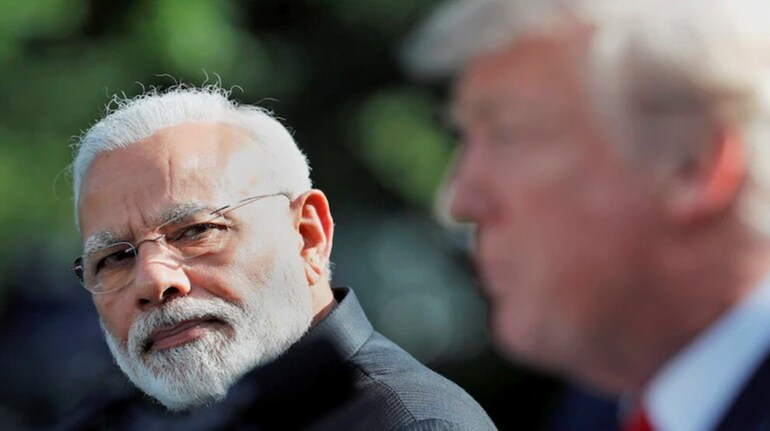
The report also detailed key changes from the initial social media announcements made by US President Donald Trump and Prime Minister Narendra Modi. It noted that the US has formally withdrawn the additional 25 per cent ad valorem duty imposed under Executive Order 14329, effective February 7, 2026.
The Executive Order also stated that India has committed to ending direct and indirect imports of Russian oil and to expanding purchases of US energy products, the report said.
On sectoral impact, JM Financial noted that electronics exports remain largely unaffected, having benefited from exemptions even under previous tariff regimes. However, sectors such as diamonds and jewellery, textiles, machinery, chemicals and automobiles are expected to benefit from greater clarity and tariff reductions that could materially improve competitiveness.
Overall, the report said the interim trade framework provides a strong foundation for a broader India-US trade agreement and is likely to support India’s exports, external balance and market sentiment going forward.
(With inputs from ANI)Discover the latest Business News, Sensex, and Nifty updates. Obtain Personal Finance insights, tax queries, and expert opinions on Moneycontrol or download the Moneycontrol App to stay updated!
Find the best of Al News in one place, specially curated for you every weekend.
Stay on top of the latest tech trends and biggest startup news.