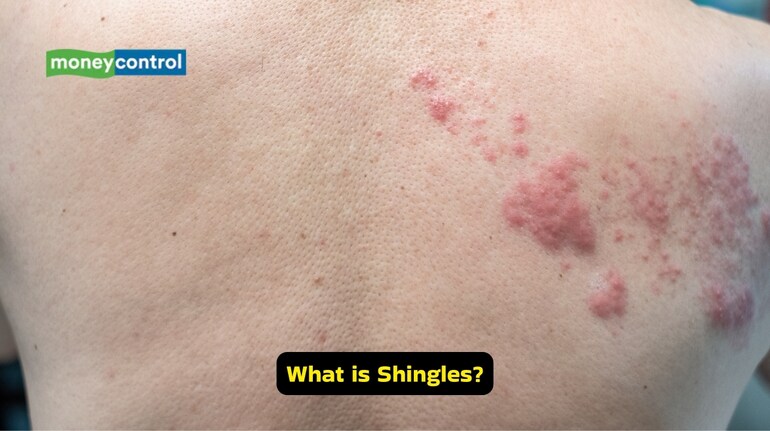

A new study commissioned by GSK shows that many older Indians with chronic health conditions have limited awareness of shingles and rarely discuss prevention with their doctors, despite being at elevated risk.
Shingles, caused by the reactivation of the varicella‑zoster virus (VZV), typically presents as a painful rash with blisters and can lead to long‑lasting nerve pain known as post‑herpetic neuralgia (PHN). Age‑related immune decline makes adults over 50—particularly those with chronic illnesses—significantly more vulnerable.
Dr. Shalini Menon, Executive Vice President – Medical Affairs, GSK India, said the findings reflect a broader concern about India’s fast‑ageing population.
“As people age, they are more likely to be affected by non-communicable diseases like diabetes, hypertension, heart disease, kidney diseases and lung disease. These conditions place additional strain on an already weakening immune system of ageing adults, further impairing the body’s ability to fight infections," Menon said.
"Yet the survey reveals limited awareness about the link between chronic conditions and immune health among ageing adults. This underscores an urgent and growing need for patients to have regular, informed conversations with their doctors,” she added.
The Shingles Action Week 2026 global survey—conducted by Human8 on behalf of GSK—covered 6,103 adults aged 50–70 across 10 countries, including 752 participants from India. Released ahead of Shingles Action Week 2026, the findings highlight a substantial gap in preventive care for adults over 50. India already has more than 75 million older adults living with at least one chronic condition such as diabetes, cardiovascular disease or chronic kidney disease—conditions that weaken immunity and heighten susceptibility to shingles.
The survey found that 48 percent of Indian respondents with chronic conditions have never discussed shingles with a doctor, even though 75 percent visit healthcare providers regularly. One in four said they know little or nothing about the disease, and one in three could not explain how their chronic condition may elevate their risk. Awareness was particularly low among patients with diabetes, cardiovascular disease and COPD.
Among those who had developed shingles in the past, 43 percent of Indian participants reported severe, day‑disrupting pain, and more than a third said the episode hampered their ability to work or take part in social activities.
Respondents with chronic kidney and cardiovascular disease reported greater disruption. With India’s population aged 60 and above projected to more than double from 153 million to 347 million by 2050, the burden of age‑linked infections like shingles is expected to rise sharply.
This comes at a time when global ageing trends are already reshaping the shingles burden. Japan—home to one of the world’s oldest populations—offers a telling example of what lies ahead. In 2020, adults aged 65 and above accounted for nearly 29 percent of Japan’s population, a demographic shift that coincided with a more than 50 percent rise in shingles cases among older adults.
The growing public‑health impact prompted Japanese authorities to incorporate shingles vaccination into immunisation protocols in several prefectures, targeting individuals aged 65 and older. The Japanese experience underscores how ageing societies inevitably face higher incidence of shingles—and why early awareness and prevention are critical for countries like India.
GSK’s focus on shingles aligns with its broader adult‑vaccination strategy and efforts to integrate preventive care into India’s health system. Since 2022, the company has supported initiatives such as Shingles Awareness Week—now Shingles Action Week—to close knowledge gaps among ageing adults. GSK launched its shingles vaccine, Shingrix, in India in April 2023 for adults aged 50 and above. The recombinant, non‑live vaccine, administered in two doses, offers more than 90% efficacy and provides at least 10 years of protection, making it suitable even for immunocompromised adults.
The report warns that many older adults mistakenly believe that managing their chronic condition is enough to protect them from infections. Nearly one in five surveyed said their chronic disease did not weaken immunity or increase their shingles risk.
According to the findings, doctor‑initiated conversations remain the strongest driver of preventive action: respondents who heard about shingles from a healthcare professional—or from someone who had experienced it—were far more likely to consider vaccination.

Discover the latest Business News, Sensex, and Nifty updates. Obtain Personal Finance insights, tax queries, and expert opinions on Moneycontrol or download the Moneycontrol App to stay updated!
Find the best of Al News in one place, specially curated for you every weekend.
Stay on top of the latest tech trends and biggest startup news.