The Centre has amended modified global tender enquiry rules to promote Make in India and micro, small and medium enterprises (MSMEs).
According to the notice issued by the Ministry of Finance, Department of Expenditure, the government will not float global tenders below Rs 200 crore.
Only in cases of exceptional circumstances can a global tender below Rs 200 crore be floated, for which written permission will have to be sought.
Follow our LIVE Updates on the coronavirus pandemic here"Where the Ministry or Department feels that the goods of the required quality, specifications etc., may not be available in the country and it is necessary to also look for suitable competitive offers from abroad, the Ministry or Department may send copies of the tender notice to the Indian Embassies abroad as well as to the Foreign Embassies in India. The selection of the embassies will depend on the possibility of availability of the required goods in such countries. In such cases e-procurement as per Rule 160 may not be insisted," it stated.
Adding: "No Global Tender Enquiry (GTE), however shall be invited for tenders up to Rs 200 crore or such limit as may be prescribed by the Department of Expenditure from time to time. Provided that for tenders below such limit, in exceptional cases, where the Ministry of Department feels that there are special reasons for GTE, it may record its detailed justification and seek prior approval for relaxation to the above rule from the Competent Authority specified by the Department of Expenditure."
Instructions regarding Competent Authority mentioned in Rule 161 (v) (b) will be issued separately. The amendments are to the General Financial Rules (GFR).
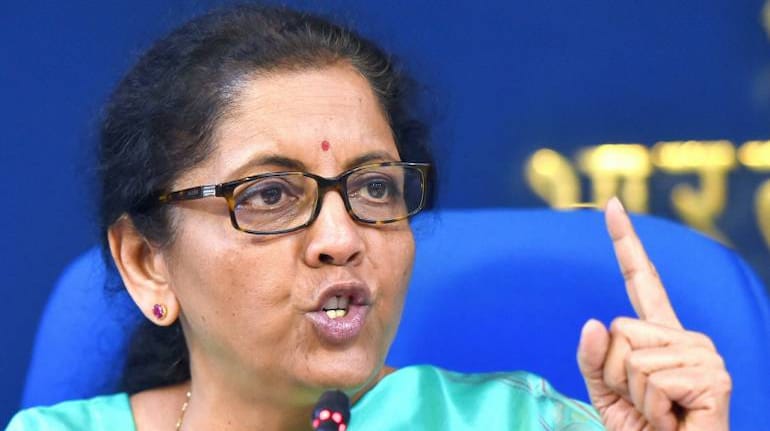
Finance Minister Nirmala Sitharaman had indicated the move was in the works during her press conference outlining Tranche 1 of the stimulus package.
On May 13, Sitharaman had announced that global tenders in government procurement will be disallowed for up to Rs 200 crore or less. This will allow MSMEs a chance to supply for these big projects and allow small units can be part of government purchases, so "Self-reliant India can Make in India".
She added that Indian MSMEs and other companies have often faced unfair competition from foreign companies. "This step is being taken because a majority of MSMEs were unable to supply to their mother units, who they were serving as ancillaries all this while and conditions became more difficult due to COVID-19," she said.
Not only will this help MSMEs in increasing their business, but also will be a step towards a self reliant India or Aatmanirbhar Bharat, while also supporting the 'Make In India' initiative.
This is in persuance to Prime Minister Narendra Modi's address on May 12, where he announced the Rs 20 lakh crore package and stressed on an Atmanirbhar Bharat or Self-reliant India.
Follow our full COVID-19 coverage hereDiscover the latest Business News, Sensex, and Nifty updates. Obtain Personal Finance insights, tax queries, and expert opinions on Moneycontrol or download the Moneycontrol App to stay updated!
Find the best of Al News in one place, specially curated for you every weekend.
Stay on top of the latest tech trends and biggest startup news.