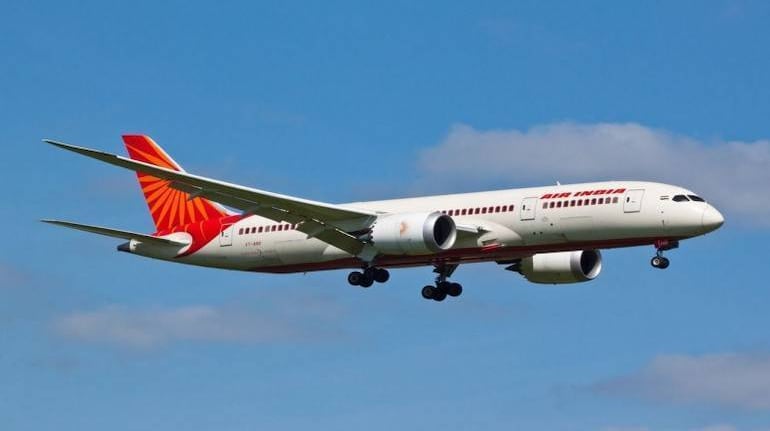
Alliance Air, a subsidiary of the debt-ridden Air India, is planning to go all-in on the government's Udan scheme. In fiscal year 2018 alone, the airline plans to add 20 more aircraft to its existing fleet of only 10.
"We will induct 10 ATR 72-600 planes in September. We plan to lease another 10 ATR aircraft within this financial year. In the following year, we hope to procure another 10 to 20 ATRs," Air India Chairman and Managing Director Ashwani Lohani had said addressing the media.
The ATR 72-600s, being 70 seaters, would be perfect for regional routes which are part of Udan. But with its parent company already neck-deep in losses, does such a huge investment justify the scheme, which hasn't even commenced?
Going by what analysts say, the Udan scheme poses a plethora of challenges for airlines that have won bids in the country's ambitious regional connectivity scheme.
Udan (Ude Desh ka Aam Nagrik) is a scheme that will have five airlines namely SpiceJet, Alliance Air, Turbo Megha, Air Odisha and Air Deccan, to fly various regional routes to promote air connectivity in the country. On a one-hour flight, in these routes, 50 percent of the seats would be charged Rs 2,500.
The government will provide a viability gap funding (basically a subsidy) and bring down taxes for airlines that fly these routes. The government also promises to improve airport infrastructure of certain airports that are part of the new initiative.
Also, the airlines that have won the bids will enjoy three years of exclusivity on these new routes, which means no competition. Also, the aviation turbine fuel tax will also be brought down (Delhi and Goa have already agreed to bring down ATF tax to 1 percent on such routes from about 25 percent on an average).
Crude prices, which are expected to remain low, can also be considered a huge positive for airlines.
Despite the benefits, experts feel there are other aspects that are going to weigh on the airlines.
Airlines, for one, will be running on wafer-thin margins on RCS (regional connectivity scheme) routes. They will only be making money from the subsidies that will be provided. However, analysts fear that the government may delay subsidies, due to the high amount of bureaucracy in the system and corruption that may bog down the process.
Analysts are also wary of the state governments' commitment to provide tax benefits.
However, the biggest hurdle for the airlines, is going to be that of demand. While experts see certain routes, say Delhi to Shimla, to see better demand, most flights are expected to fly empty. This would mean the load factor, or capacity utilisation, is going to take a hit.
Even as the government makes tries to make air travel cheaper, the response from the aam nagrik remains key. It begs the question: Is Alliance Air right in spending so heavily on an uncertain scheme which hasn't even taken off?
Alliance Air is going to fly the very first flight under the Udan scheme from Bhatinda to Delhi later this month.
Discover the latest Business News, Sensex, and Nifty updates. Obtain Personal Finance insights, tax queries, and expert opinions on Moneycontrol or download the Moneycontrol App to stay updated!
Find the best of Al News in one place, specially curated for you every weekend.
Stay on top of the latest tech trends and biggest startup news.