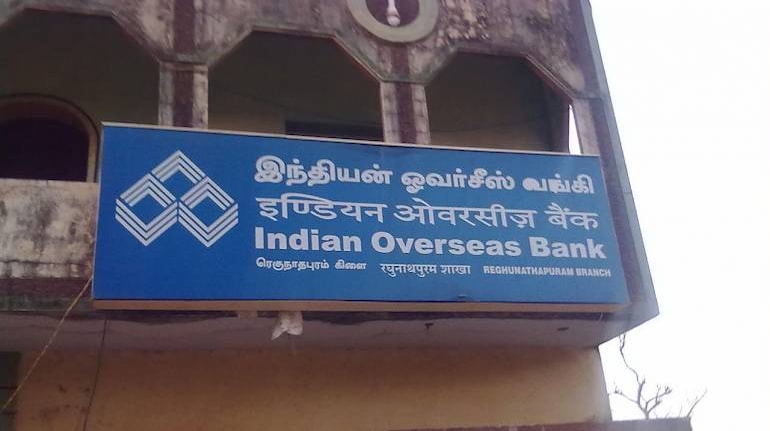
“As far as all the PCA ratios are concerned, we have been achieving it in the past quarters also, barring one ratio, which is the leverage ratio. With the ploughing back of the profits and also with the infusion of funds by the government of India, we are very, very comfortable in all the parameters,” Sengupta said after IOB announced its financial results for the January-March quarter. The lender received Rs 4,100 crore from the government.
Under PCA, the RBI imposes business restrictions on banks with weak financial metrics. The severity of the PCA restrictions will be decided on a case to case basis.
IOB was brought under PCA in October 2015. Last week, Kolkata-based UCO Bank, which has been in PCA since 2017, said it had made a similar request to the regulator to exit the framework.
The bank posted a net profit of Rs 831.47 crore for FY21, as against a loss of Rs 8,527.40 crore in FY20. IOB’s gross non-performing asset (NPA) ratio improved to 11.69 percent from 12.19 percent in the December quarter, while the net NPA ratio rose to 3.58 percent from 3.13 percent. The capital adequacy ratio (CAR) improved to 15.32 percent from 10.72 percent.
The return on assets stood at 0.5 percent on 31 March 2021, up from 0.2 percent as on 31 March, 2020.
Sengupta said IOB is yet to hear from the Government on the question of privatisation of the bank. “There has been no official communication. Practically we are not even thinking of it. Our aim is to make the institution stronger,” Sengupta said.
Discover the latest Business News, Sensex, and Nifty updates. Obtain Personal Finance insights, tax queries, and expert opinions on Moneycontrol or download the Moneycontrol App to stay updated!
Find the best of Al News in one place, specially curated for you every weekend.
Stay on top of the latest tech trends and biggest startup news.