






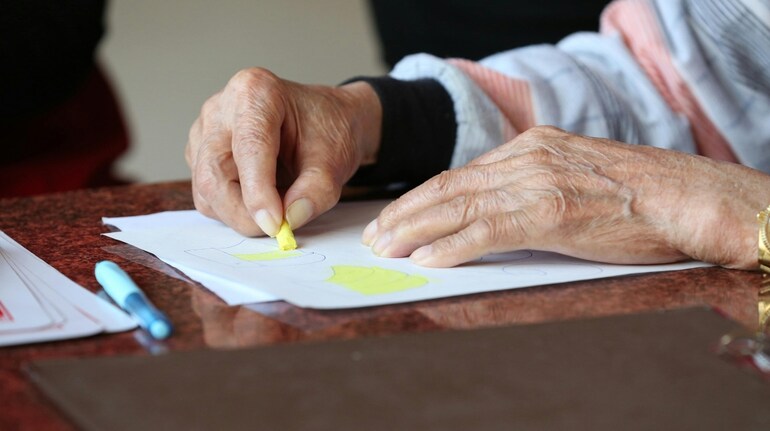
The year 2025 is now drawing to a close, defined by groundbreaking medical, technological, and lifestyle advancements. Diseases like Alzheimer’s, diabetes and heart conditions, once treated in isolation, are now being tackled with smarter diagnostics, AI-driven insights and multi-target therapies. Patients are benefiting from early detection, personalised care, and surprising crossovers between treatments.
Alzheimer’s disease, long a disease that crept silently for years, is seeing a paradigm shift. According to the World Economic Forum, AI models can now predict Alzheimer’s up to seven years before symptoms appear. This early window opens doors for interventions that could slow or even prevent progression, giving patients and families precious time.
Diabetes and heart disease, meanwhile, are moving out of their siloed medical corners. The integration of metabolic, cardiovascular and cognitive health is no longer theoretical. Multiple studies suggest that maintaining excellent heart health in diabetics can help lower dementia risk, while drugs initially meant for one condition are proving beneficial for others. It’s a new era of multi-targeted care.
Also read | Year ender 2025: Biggest walking trends that went viral for their health benefits
According to World Economic Forum, artificial intelligence tools can forecast Alzheimer’s up to seven years before symptoms appear, offering unprecedented early intervention opportunities.
As per the Alzheimer’s Association International Conference (AAIC 2026), blood-based biomarker tests are now clinically recommended, reducing the need for costly PET scans and making early diagnosis far more accessible.
Research says that wearable devices and deep-learning analyses provide digital biomarkers that predict vascular age and heart disease risk before traditional symptoms emerge.
Also read | Year-Ender 2025: 15 incredible new things you must try around the world in 2026
A study at the University of Hawaii suggests that AI is being used to integrate brain activity and physiological markers, tailoring interventions to slow disease progression in diverse populations.
A study by the Discoveries in Medicine informs that AI-driven drug screens have identified existing medications, originally for diabetes or infections that show promise in protecting both brain and heart health.
According to Medical Xpress, experimental compounds like IC7Fc offer dual benefits like improved glucose control and cardioprotective effects. It signals a leap in combinational therapy.
Another study reveals that the SGLT2 inhibitors now demonstrate reduced heart failure worsening and mortality, prompting guideline updates for earlier use post-cardiac events.
The American Heart Association says that maintaining excellent cardiovascular health in type-2 diabetics is linked to lower dementia risk, highlighting integrated care between heart, brain and metabolism.
A research in ScienceDaily shows that some cancer therapies in preclinical studies have reversed or reduced Alzheimer’s hallmarks, opening new avenues for neurodegenerative treatment.
The microbial metabolites in the gut are being studied for their role in reducing inflammation and improving insulin sensitivity, offering potential dietary and microbiome-targeted therapies.
Disclaimer: This article, including health and fitness advice, only provides generic information. Don’t treat it as a substitute for qualified medical opinion. Always consult a specialist for specific health diagnosis.
Discover the latest Business News, Sensex, and Nifty updates. Obtain Personal Finance insights, tax queries, and expert opinions on Moneycontrol or download the Moneycontrol App to stay updated!
Find the best of Al News in one place, specially curated for you every weekend.
Stay on top of the latest tech trends and biggest startup news.




