






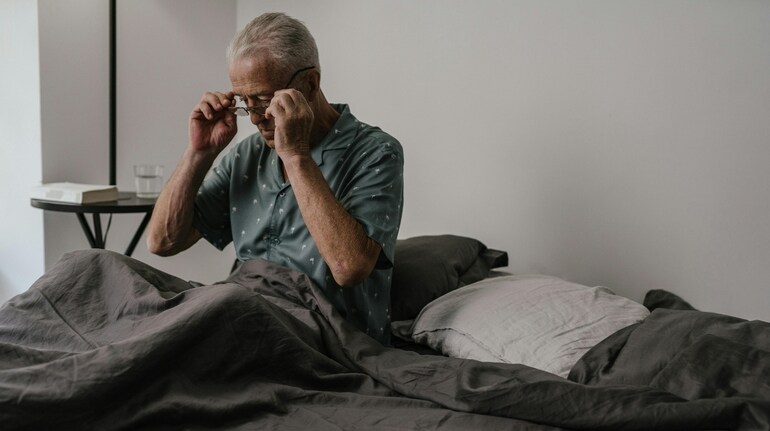

For many a trip to the loo at 2 am is a routine. While many dismiss it as an unavoidable sign of ageing, doctors highlight how fragmented sleep, prostate health, and lifestyle factors can create a vicious cycle of nightly bathroom trips that rob you of rest.
Sleep and urological health are deeply interconnected, says Dr Ankur Singhal, Urologist, Kailash Deepak Hospital. “Poor sleep quality is increasingly being recognised as a major contributor to night-time urination in men. “One of the key culprits, he says, is obstructive sleep apnoea (OSA). “This condition disrupts breathing during the night, triggering hormonal changes that prompt your kidneys to produce more urine.” Research shows that many nocturnal bathroom visits follow an apnea or snoring episode. “Those having an enlarged prostate, or benign prostatic hyperplasia (BPH), often have a bladder that doesn’t empty fully and results in a sleep pattern that’s repeatedly interrupted.
Poor sleep and night time peeing is a vicious cycle for many. According to Dr Mallikarjuna C, Managing Director, The Asian Institute of Nephrology and Urology, the relationship between poor sleep and urinary symptoms is a two-way street.
“Fragmented sleep, caused by stress, light sleeping, or sleep disorders, reduces antidiuretic hormone levels, which normally slow down urine production at night. Lower levels mean your kidneys work overtime, leading to more night-time bathroom trips. And if you have BPH or an overactive bladder, sleep disruption worsens, creating a self-perpetuating cycle.”
Lifestyle choices, he adds, don’t help either. Late-night alcohol, caffeine, or excessive fluids amplify the problem, while underlying health issues like diabetes, heart failure, or kidney problems can also show up as nocturnal urination.
Many people assume night-time urination is just a bladder or prostate issue. Dr Sandeep Harkar, Principal Consultant-Urologist at Manipal Hospital, Gurugram, reveals, “ In reality, poor sleep is often the hidden cause. Conditions like insomnia, anxiety, or sleep apnoea reduce ADH hormone levels, forcing the kidneys to work harder at night. Treating the sleep problem alone can sometimes drastically reduce bathroom visits.”
Dr Mallikarjuna also highlights treatment innovations for those with BPH. “Procedures like Water Vapor Therapy use steam to shrink excess prostate tissue, improving urine flow while preserving sexual function—all without general anaesthesia and usually in an outpatient setting.”
Avoid caffeine, alcohol, and heavy drinks at least two hours before bed.
Stick to regular sleep hours and create a dark, quiet bedroom.
Meditation or light stretching can reduce fragmented sleep.
Also Read: Tips for better sleep: 7 healthy bedroom habits that will improve your sleep quality
BPH, overactive bladder, or other underlying conditions may need medical intervention.
Address sleep apnoea, insomnia, or anxiety to naturally reduce nocturnal urine production.
Why do I urinate more at night?
Night-time urination can be due to various factors including poor sleep quality, obstructive sleep apnoea, an enlarged prostate, diabetes, heart failure, or kidney problems. Lifestyle choices like consuming alcohol, caffeine, or excessive fluids before bed can also contribute.
Can sleep disorders cause night-time urination?
Yes, sleep disorders like insomnia, anxiety, or sleep apnoea can reduce antidiuretic hormone (ADH) levels, prompting the kidneys to produce more urine at night.
What can I do to reduce night-time urination?
Simple ways to cut down night-time trips include tracking your fluid intake, avoiding caffeine, alcohol, and heavy drinks at least two hours before bed, improving sleep hygiene by sticking to regular sleep hours and creating a dark, quiet bedroom, managing stress with meditation or light stretching, consulting a urologist if needed, and treating sleep disorders.
Are there treatments for an enlarged prostate that can help with night-time urination?
Yes, procedures like Water Vapor Therapy can help by shrinking excess prostate tissue, improving urine flow while preserving sexual function, often without the need for general anaesthesia and usually performed in an outpatient setting.
Disclaimer: This article, including health and fitness advice, only provides generic information. Don’t treat it as a substitute for qualified medical opinion. Always consult a specialist for specific health diagnosis.
Discover the latest Business News, Sensex, and Nifty updates. Obtain Personal Finance insights, tax queries, and expert opinions on Moneycontrol or download the Moneycontrol App to stay updated!
Find the best of Al News in one place, specially curated for you every weekend.
Stay on top of the latest tech trends and biggest startup news.





