






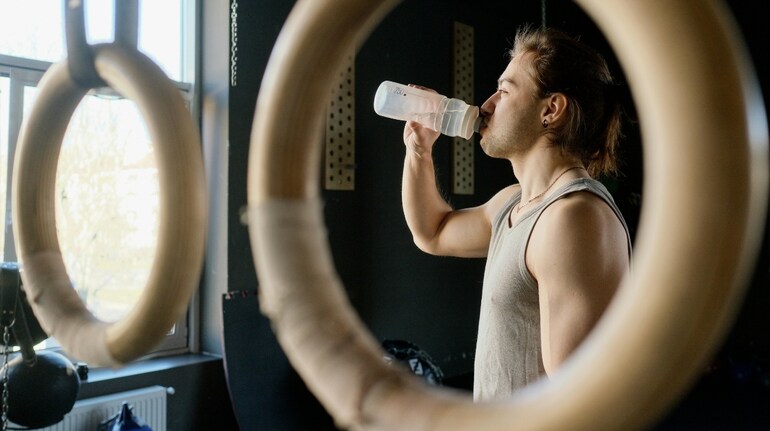

When many people think of dehydration, they imagine hot summer days and intense sweat sessions. Winter, however, is greeted with cold weather and one begins to pile on warm clothing only to sip hot drinks; thus, dehydration is the last thing suspected. But doctors note that dehydration is surprisingly common in the colder months and often under-recognized because the body’s thirst signals become more muted. Others drink less water because they don’t feel thirsty, even though their bodies continue to lose liquid through urine and sweat each day.
Our warm indoor environment that's already dry and lacking in water consumption, also changes daily physical routines. Even mild dehydration might present as weakness, headache, dry skin, constipation or difficulty concentrating – all symptoms that are often written off as being due to cold weather or seasonal sluggishness. Additionally, insufficient hydration can become problematic over time for the kidneys and digestion and overall immunity.
The symptoms are so slight, in fact, that those who suffer from winter dehydration often don't take it seriously until they become uncomfortable. Knowing why you get dehydrated in the winter along with understanding what to do to avoid it can help keep your energy up, not weigh you down or complicate your health during the cooler season.
Also Read: How to recognise dehydration early: Key symptoms, risks and treatment
“People think because they do not perspire as much, hence don’t require so much water in winter,” says Dr Suresh Iyer, Consultant Physician at Felix Global. “But we’re losing fluid the whole time also through our respiratory system, through urination and even dry indoor environments,” he tells Moneycontrol.
Dry air retains less moisture; therefore, more fluid is expelled through breathing. Forced indoor air can also dry the air, causing more water to be lost from skin and lungs.
"Cold weather can dull the body's thirst mechanism," Dr Iyer said. “You can already be mildly dehydrated before your body signals you that you are thirsty,” he says. This causes many people to inadvertently drink too little fluids.
Sweat is also common in the winter due to physical exertion, especially when layers of clothes hold air pockets that help keep you warm. “People don’t realise they are losing fluids because the sweat gets evaporated very quickly in such cold air,” says Dr Iyer.
Doctors advise drinking water throughout the day, even if you don’t feel thirsty. Water bottle close at hand and reminders to ensure consistent flow all day long.
“Hydration doesn’t necessarily have to mean cold water,” Dr Iyer adds. Provide warm water, herbal teas, clear soups and broths to fulfill their daily fluid requirements in a more appealing way during the colder months.
In addition, fruits and vegetables such as oranges, apples, cucumbers, spinach and soups contribute to fluid intake. “Food can be a major player in hydration during the colder months,” Dr Iyer says.
Dry lips, dark urine, headaches and fatigue can be signs of dehydration. Noticing these messages will help to correct early on before the symptoms become worse.
Too much tea or coffee can promote fluid loss. “Enjoy them in moderation and balance with plain water,” Dr Iyer says.
Staying hydrated in the winter is no easy feat. Dehydration can be avoided even when the body does not give one sign of thirst.
Why don’t I feel thirsty in winter?
Cold weather can dull the body's thirst mechanism, causing you to be mildly dehydrated before your body signals you to drink.
Can I get dehydrated even if I don’t sweat much?
Yes, you lose fluids through breathing, urination, and dry indoor environments, even if you don’t sweat much.
What are signs of winter dehydration?
Symptoms include weakness, headache, dry skin, constipation, difficulty concentrating, dry lips, dark urine, and fatigue.
What are some ways to stay hydrated in winter?
Drink water throughout the day, include warm hydrating options, eat water-rich foods, and balance caffeine intake.
Disclaimer: This article, including health and fitness advice, only provides generic information. Don’t treat it as a substitute for qualified medical opinion. Always consult a specialist for specific health diagnosis.
Discover the latest Business News, Sensex, and Nifty updates. Obtain Personal Finance insights, tax queries, and expert opinions on Moneycontrol or download the Moneycontrol App to stay updated!
Find the best of Al News in one place, specially curated for you every weekend.
Stay on top of the latest tech trends and biggest startup news.





