






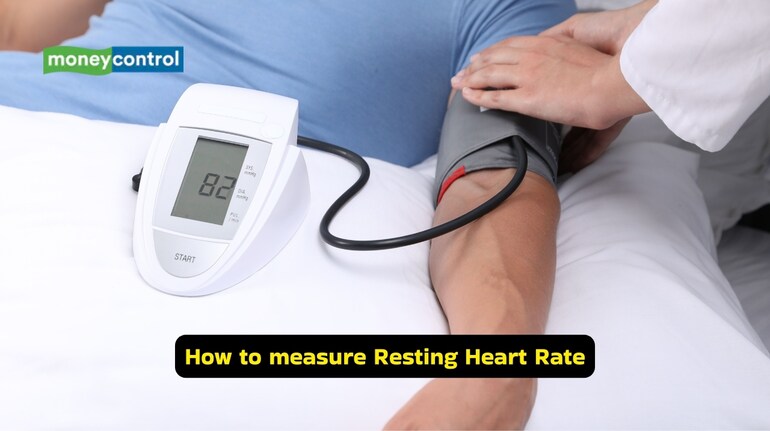

We live in a tech-driven era, where it’s easy to track our heart rate at any given time. While most of us know the daily steps and the number of calories we have burnt, there’s only little we understand about fluctuating heart rate. So here’s what you should know about a normal resting heart rate and why it matters.
Simply put, your resting heart rate is the number of times your heart beats per minute when you are not moving. It is best gauged when you have not engaged in any physical activity for a few minutes.
It may seem simplistic, but it is an effective measure for learning about your overall health. A resting heart rate tells you how effectively your heart is pumping oxygen-rich blood and transporting it to other vital organs in your body.
Also read | Why your heart suddenly races during exercise: Doctors explain supraventricular tachycardia
According to Mayo Clinic, a normal resting heart rate is between 60 and 100 beats per minute for adults. A lower resting heart indicates that your heart muscles are not strained and functioning well. On the other hand, a higher resting rate means more work for the heart.
If you think you need a fitness tracker to keep a check, then you may be wrong. It can be measured easily even without a smartwatch. The best way to check your resting heart rate is by learning how to take your pulse, either at your wrist or your neck.
Check the pulse at your wrist by placing your index and middle fingers on the inner side of the wrist, just below the thumb. This is where the radial artery can be felt.
Also read | Not every abnormal reading on smartwatch heart rate monitor should be alarming, cardiologist explains
For the neck, place your index and middle fingers on the side of the neck, just beside the windpipe. This allows you to feel the carotid artery.
According to Mayo Clinic, count the number of beats in 15 seconds and then multiply by 4 to know your heart rate per minute.
If you find fluctuations that don’t seem normal, it’s best to check with the doctor. Your resting heart rate is telling of how well your body is functioning and shouldn’t be overlooked.
What is resting heart rate?
Resting heart rate is the number of heartbeats per minute when you are not active. It is best measured after a few minutes of inactivity.
Why is resting heart rate important?
It indicates your overall health by showing how efficiently your heart pumps blood. A lower resting heart rate generally means better heart function.
What is considered a normal resting heart rate?
For adults, a normal resting heart rate ranges from 60 to 100 beats per minute. A lower rate suggests less strain on the heart, while a higher rate means more work for the heart.
How can I check my resting heart rate?
You can measure it without a fitness tracker by taking your pulse at your wrist or neck. Count the beats for 15 seconds and multiply by 4 to get the rate per minute.
What should I do if my resting heart rate fluctuates?
If you notice abnormal fluctuations, consult a doctor. Your resting heart rate reflects your body's condition and shouldn't be ignored.
Disclaimer: This article, including health and fitness advice, only provides generic information. Don’t treat it as a substitute for qualified medical opinion. Always consult a specialist for specific health diagnosis.
Discover the latest Business News, Sensex, and Nifty updates. Obtain Personal Finance insights, tax queries, and expert opinions on Moneycontrol or download the Moneycontrol App to stay updated!
Find the best of Al News in one place, specially curated for you every weekend.
Stay on top of the latest tech trends and biggest startup news.





