






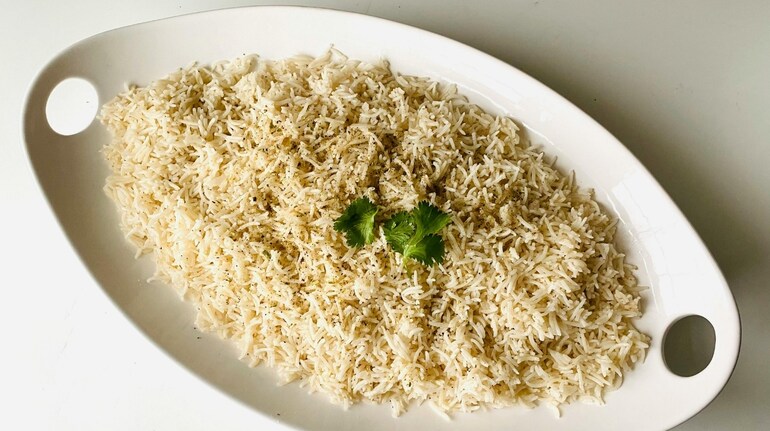

Many diabetic patients blame rice for their high blood sugar levels, quitting it before even seeking medical advice. They feel the sacrifice is necessary to control the disease. And yet their HbA1c doesn’t budge, fasting insulin remains elevated, and waist circumference doesn’t change. Dr. Gagandeep Singh, MBBS, Founder of Redial Clinic, said, “Rice isn’t the root cause. Insulin resistance is. And you don’t fix insulin resistance by removing one ingredient from your plate.”
India doesn’t have a rice problem. It has a macronutrient imbalance problem. The typical Indian meal is heavily carbohydrate-dominant - whether that carbohydrate comes from rice, roti, poha, or millet makes surprisingly little difference if the overall composition remains skewed. What matters is the total picture: how much protein are you eating per meal? What’s your fibre intake? How is the carbohydrate-to-protein ratio distributed across the day?
Dr Singh added, “When I review food diaries, the pattern is remarkably consistent - 60 to 70 percent of daily calories from carbohydrates, barely 30 to 40 grams of protein across the entire day, and minimal fibre. Swapping rice for millets doesn’t fix this equation. Balancing the equation does."
The two interventions that most directly reverse insulin resistance are nutritional recomposition and consistent exercise, particularly resistance training. “On the nutrition side, restructuring meals to include 25 to 30 grams of protein per meal, adequate fibre, and controlled carbohydrate portions transforms the post-meal glucose and insulin response. This is not about elimination, it is about proportion,” he noted. Rice eaten alongside vegetables and a protein source behaves very differently in your bloodstream than rice eaten with potato curry and a papad.
“On the exercise side, building muscle through resistance training creates what I call a metabolic buffer. Muscle tissue is your body’s most efficient glucose sink. It pulls sugar from the bloodstream even at rest. Patients who strength train consistently see improvements in fasting insulin and HbA1c that cardio alone rarely achieves.”
Once diet and exercise are addressed, optimising sleep and managing chronic stress further accelerate metabolic recovery. “Cortisol elevation from poor sleep and unmanaged stress does worsen insulin sensitivity, but these are amplifiers of existing dysfunction, not the primary drivers. Fix your plate and move your body first. Everything else builds on that foundation,” Dr Singh advised.
The conversation around Indian diabetes needs to mature beyond blaming individual foods. It’s the total dietary architecture, and the movement habits that support it, that determine your metabolic future.
What is metabolic stress?
Metabolic stress refers to the physiological strain on the body's metabolism caused by factors such as poor diet, lack of exercise, and chronic diseases. It can lead to various metabolic disorders, including insulin resistance.
How does insulin resistance develop?
Insulin resistance develops when cells in your muscles, fat, and liver do not respond well to insulin and cannot easily take up glucose from your blood. This can be due to factors like excess body fat, particularly around the abdomen, physical inactivity, and a diet high in refined carbohydrates and sugars.
Can insulin resistance be reversed?
Yes, insulin resistance can often be reversed or improved through lifestyle changes such as a balanced diet rich in protein and fibre, regular physical activity, especially resistance training, and maintaining a healthy weight.
What role does stress play in insulin resistance?
Chronic stress can elevate cortisol levels, which can worsen insulin sensitivity. Therefore, managing stress through techniques like mindfulness, adequate sleep, and relaxation exercises is crucial in addressing insulin resistance.
Is eliminating carbohydrates necessary to manage insulin resistance?
No, it’s not about eliminating carbohydrates but about balancing your diet. Ensuring a good mix of protein, fibre, and controlled portions of carbohydrates throughout the day is key to managing insulin resistance effectively.
Disclaimer: This article, including health and fitness advice, only provides generic information. Don’t treat it as a substitute for qualified medical opinion. Always consult a specialist for specific health diagnosis.
Discover the latest Business News, Sensex, and Nifty updates. Obtain Personal Finance insights, tax queries, and expert opinions on Moneycontrol or download the Moneycontrol App to stay updated!
Find the best of Al News in one place, specially curated for you every weekend.
Stay on top of the latest tech trends and biggest startup news.





