






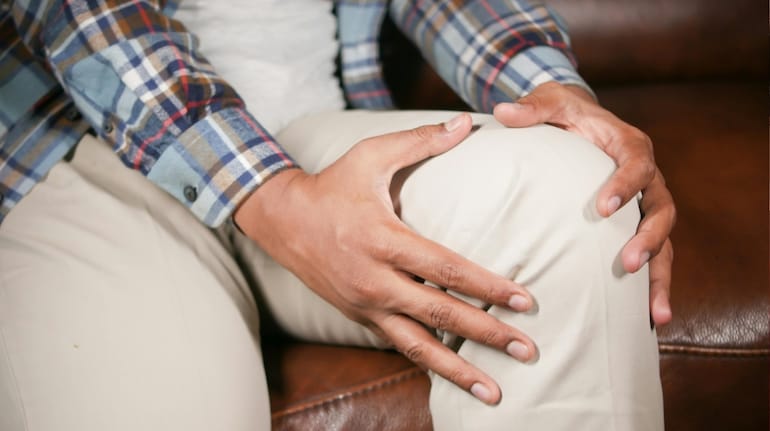

Winters make many people wake up feeling creakier than usual. Knees protest on the stairs, backs feel tighter, and old injuries seem to make an unwelcome comeback. It is not imagination or age playing tricks, cold weather genuinely changes how our bodies feel and function.
Cold temperatures cause blood vessels to narrow, slowing circulation to muscles and joints. With less warmth and oxygen reaching these tissues, stiffness sets in and pain signals feel sharper. “In winter, reduced blood flow makes joints more sensitive, especially in people with arthritis or previous injuries,” says Dr Akhilesh Yadav, Director, Orthopaedics and Joint Replacement, Max Hospital, Vaishali. He adds that joint fluid can thicken in the cold, making movement feel laboured and uncomfortable.
Long hours of inactivity during sleep allow stiffness to build up, which is why winter mornings can feel particularly unforgiving. The knees, hips, shoulders and lower back often take the brunt. Dr Yadav tells, “Patients commonly report increased pain after resting for long periods, because cold conditions reduce joint flexibility and muscle elasticity.”
Also read: Doctor says these 3 medicines can save a heart attack patient
Keeping the body warm helps more than morale. Layered clothing traps heat, while warm compresses improve blood flow to sore areas. Lukewarm baths can relax tight muscles and ease joint stiffness. “Simple warmth therapy can significantly reduce pain perception during colder months,” says Dr Yadav.
It is tempting to stay curled up indoors, but inactivity often worsens winter pain. Gentle exercises, stretching and physiotherapy keep joints lubricated and muscles strong. “Regular, low-impact movement is one of the most effective ways to prevent winter-related joint problems,” Dr Yadav opines.
A balanced diet rich in calcium, vitamin D and anti-inflammatory foods supports bone and joint health through winter. Maintaining a healthy weight and avoiding long hours of sitting also reduce strain. Painkillers or anti-inflammatory medicines should only be taken under medical advice. Persistent or worsening pain should never be ignored. “Early consultation helps prevent long-term damage and keeps people active all year round,” Dr Yadav advises.
1. Why do joints feel stiffer during winter?
Cold temperatures reduce blood flow to joints and muscles, making them feel stiff and achy.
2. Who is more affected by winter joint pain?
People with arthritis, older adults, and those with previous joint injuries are more prone.
3. Does winter increase joint inflammation?
Cold weather itself doesn’t cause inflammation, but it can worsen existing joint problems.
4. How can joint stiffness be managed in winter?
Stay active, keep joints warm, stretch regularly, and maintain a balanced diet.
5. When should joint pain in winter be checked by a doctor?
If pain is severe, persistent, or limits movement, medical advice is recommended.
Disclaimer: This article, including health and fitness advice, only provides generic information. Don’t treat it as a substitute for qualified medical opinion. Always consult a specialist for specific health diagnosis.
Discover the latest Business News, Sensex, and Nifty updates. Obtain Personal Finance insights, tax queries, and expert opinions on Moneycontrol or download the Moneycontrol App to stay updated!
Find the best of Al News in one place, specially curated for you every weekend.
Stay on top of the latest tech trends and biggest startup news.





