






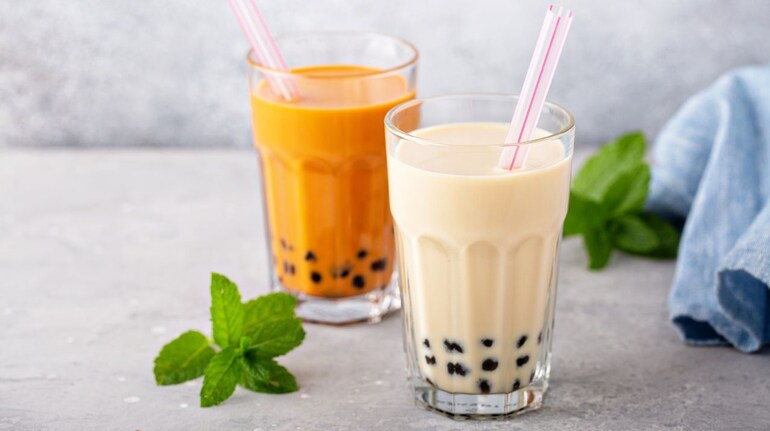

Bubble tea, the Instagrammable beverage, has become the accessory drink of a generation. But ignoring the pastel hues and chewy pearls, doctors now suggest it may not be healthy.
Bubble tea blends black tea, milk, sugar and tapioca pearls made from cassava starch. Its charm lies in its texture as much as its sweetness. However, an investigation by Consumer Reports in the United States found high lead levels in some products, echoing long-standing concerns about cassava’s tendency to absorb heavy metals from soil.
Medical journals have also drawn attention to the drink’s sugar content. Research published in Nutrients and The BMJ has repeatedly linked high-sugar beverages to obesity, type 2 diabetes and fatty liver disease. A single serving of bubble tea can contain 20 to 50 grams of sugar, often more than a can of cola.
Cassava plants can absorb lead and other contaminants from soil. When concentrated into tapioca pearls, traces may remain. Studies in food safety journals warn that chronic exposure, even at low levels, may affect neurological and cardiovascular health over time.
Dense, starchy pearls can delay gastric emptying, a condition known as gastroparesis. Case reports in gastroenterology literature describe nausea, abdominal pain and, in rare instances, intestinal blockage after excessive consumption, particularly in people with pre-existing digestive conditions.
A widely reported 2023 case in Taiwan saw doctors remove more than 300 kidney stones from a young woman who reportedly drank bubble tea instead of water. Research in Clinical Nutrition links high oxalate and phosphate intake to stone formation, though such extreme cases are uncommon.
Paediatric associations have long cautioned that tapioca pearls pose a choking risk. Tragic media reports from Singapore describe fatal inhalation incidents. The wide straw may be part of the fun, but it can also turn a playful sip into a dangerous gulp.
Taiwanese research found that by age nine, regular bubble tea drinkers were significantly more likely to develop cavities. Public health studies in California associate sugary beverages with rising obesity rates among young people, often without awareness of the caloric toll.
Observational studies in China have associated frequent bubble tea consumption with higher rates of anxiety and depression in both children and nurses. While causation remains unproven, researchers suggest high sugar intake may influence mood through blood glucose fluctuations and inflammation pathways.
Bubble tea remains a treat, not a toxin. But the evidence increasingly suggests it belongs in the “occasionally indulgent” category rather than the daily ritual. Sip slowly, skip the extra syrup, and remember that sometimes the prettiest pleasures are best enjoyed sparingly.
Also read: Doctor says these 3 medicines can save a heart attack patient
Q. What is bubble tea?
Bubble tea, also known as boba tea, is a Taiwanese drink that combines tea, milk or fruit flavours, and chewy tapioca pearls. It originated in Taichung in the 1980s.
Q. What are the “bubbles” in bubble tea?
The bubbles usually refer to tapioca pearls made from cassava starch, which have a soft and chewy texture.
Q. Is bubble tea caffeinated?
Yes, if it is made with black, green, or oolong tea. Fruit-based versions without tea may contain little to no caffeine.
Q. Is bubble tea unhealthy?
It can be high in sugar and calories, especially when sweetened syrups and full-fat milk are added. Moderation is key.
Q. Can bubble tea cause weight gain?
Regular consumption of high-sugar bubble tea may contribute to excess calorie intake and potential weight gain.
Disclaimer: This article, including health and fitness advice, only provides generic information. Don’t treat it as a substitute for qualified medical opinion. Always consult a specialist for specific health diagnosis
Discover the latest Business News, Sensex, and Nifty updates. Obtain Personal Finance insights, tax queries, and expert opinions on Moneycontrol or download the Moneycontrol App to stay updated!
Find the best of Al News in one place, specially curated for you every weekend.
Stay on top of the latest tech trends and biggest startup news.





