




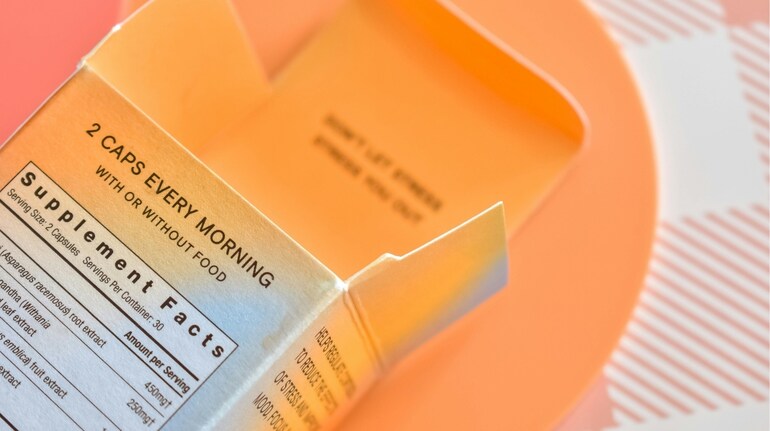
Food labels can often be confusing despite the fact that there’s much more awareness about ingredients these days. Even seasoned grocery shoppers may struggle to decipher information that sometimes specifies complex nutritional values, especially for newly launched snacks and drinks.
However, Shivam Hingorani, Founder of Ace Blend, shared with Moneycontrol simple ways to read labels without needing a science degree.
If the label says: 90 kcal per serving, 3 servings per pack, but you normally finish the entire pack, then your intake is 270 kcal, not 90. If a bottle says, “2 servings,” but you drink the full bottle, you must double every value – calories, sugar, sodium, everything.
Also read | 7 things to look for in food labels while buying products
If the label says: Serving size: 1 scoop (10 g), Servings per container: 30, but you usually take 2 scoops at a time, then you are having 2 servings, not 1. So double the protein, double the actives — and also double the calories, sugar, and sodium. Always calculate based on what you actually consume, not what the label assumes.
The first 3 ingredients tell you where the product’s weight really comes from. They are listed from highest to lowest in quantity, and give you a clear picture of what the product mainly is.
If the first few ingredients are: sugar / jaggery / dates / date syrup, refined flour (maida, wheat flour), palm oil or other refined oils — it is largely a sugar-and-refined-carb product, even if the front says “natural”, “multigrain”, or “wholesome.”
→ the base is generally more nutrient-dense than one built mainly on sugar, refined flour, and oil.
These include protein powders, hydration mixes, effervescent tablets, gummies, capsules, sachets). The first 3 ingredients should reflect the main functional purpose of the product, such as:
Protein sources (whey, casein, pea protein, plant protein blends)
Key minerals and electrolytes (sodium, potassium, magnesium)
main active compounds or standardised plant extracts
in some cases, a necessary carrier like a specific fibre or base
If you see sugar, glucose syrup, maltodextrin or generic “bulking agents” listed before the actual active ingredients, it usually means you are getting more filler and sweetness than real function. You do not need to memorise every ingredient.
Just remember:
Do the first three look like real food or just sugar–flour–oil?
Do the first three look like the actual actives and protein/electrolytes, or mainly sweeteners and base powders?
Sugar does not always appear only as “sugar”. Often mentioned as ‘sweeteners’ with an INS number mentioned. Common forms include: sugar, jaggery, honey, glucose syrup, corn syrup, maltodextrin, dextrose, invert syrup, dates / date paste / date syrup.
You will find these in:
Snacks
Flavoured drinks
“Health” drink mixes
Gummies and effervescents
In sweet products, also look at INS numbers for sweeteners:
INS 950, 951, 955 → artificial sweeteners (acesulfame-K, aspartame, sucralose)
INS 960, 967 → stevia, xylitol and similar low or zero-calorie sweeteners
None of these are automatically “good” or “bad”. The important thing is that you know whether you are consuming: mainly regular sugar, mainly zero-calorie sweeteners, or a combination of both. Then you can decide what works for your own health goals, medical conditions, and daily routine.
Strong labels give you clear, specific numbers for key nutrients and actives.
Examples of strong labels (for foods and nutraceuticals):
“Protein 20 g, Fibre 6 g, Added sugar 1.5 g per serving”
“Sodium 300 mg, Potassium 200 mg per serving”
“Vitamin C 40 mg, Zinc 5 mg, Vitamin D 400 IU per serving”
“Magnesium 200 mg, Vitamin B12 2.5 mcg, Omega-3 500 mg (EPA + DHA) per serving”
On the other hand, weaker labels rely mostly on broad claims like:
“High protein”
“With electrolytes”
“With vitamins and herbs”
“Supports immunity / energy / metabolism”
They don’t tell you how much of anything you are actually getting. There is nothing wrong with saying “supports immunity” or “for skin health” – but the label should also show the actual quantities of the nutrients or actives that are doing that job. If a brand truly trusts its formulation, it is usually comfortable putting numbers on the table, within the limits allowed by regulators.
So, when you read labels, check the serving size, the first three ingredients, hidden sugars, and the real numbers. This quick check will give you a better idea of whether you should add a product to your cart or chuck it.
Disclaimer: This article, including health and fitness advice, only provides generic information. Don’t treat it as a substitute for qualified medical opinion. Always consult a specialist for specific health diagnosis.
Discover the latest Business News, Sensex, and Nifty updates. Obtain Personal Finance insights, tax queries, and expert opinions on Moneycontrol or download the Moneycontrol App to stay updated!
Find the best of Al News in one place, specially curated for you every weekend.
Stay on top of the latest tech trends and biggest startup news.