






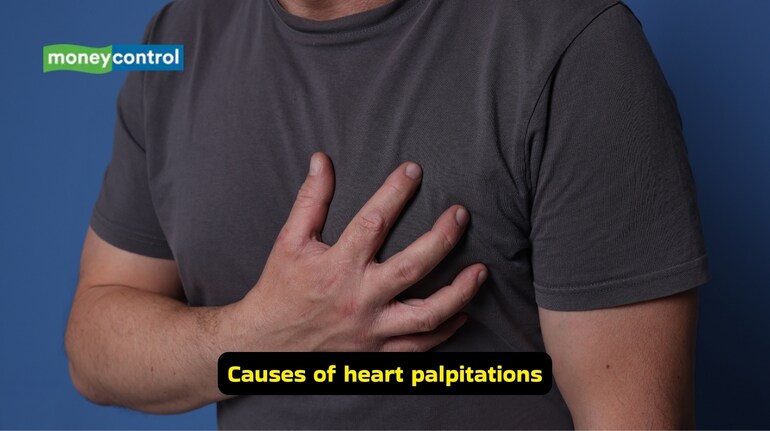

Palpitations were once shrugged off as “just nerves” or “too much caffeine.” But today, heart specialists stress that irregular heartbeats, particularly Atrial fibrillation or AFib, are more common than you think.
Atrial fibrillation is when the top parts of your heart beat fast and unevenly because their electrical signals are out of sync. While genetics and age play a role, lifestyle factors are increasingly recognised as key triggers. “Many people think AFib comes out of the blue or only affects the seriously unwell. But everyday habits like diet, sleep, stress, and alcohol can silently set off irregular heart rhythms,” Dr Akhil Kumar Rustagi, Senior Director and HOD - cardiothoracic and vascular surgery (CTVS), cardiac sciences, ShardaCare-Healthcity, tells Moneycontrol.
Dr Rustagi adds, “Protecting your heart rhythm starts with awareness and proactive choices. Simple lifestyle changes can make all the difference in preventing AFib and keeping your heartbeat regular.”
Also read | Irregular heartbeat: Know the symptoms of heart rhythm problems, risk factors
Dr Rustagi shares lifestyle triggers you should watch out for:
Carrying extra weightinflames the body and forces the heart to work harder. Obesity links to high blood pressure and diabetes, both of which increase AFib risk. Maintaining a balanced diet and regular exercise is vital for prevention.
Poor sleep habits or conditions like obstructive sleep apnea affect oxygen levels and cardiovascular load, leaving you prone to arrhythmias. Loud snoring, daytime fatigue, or restless nights are red flags that deserve medical assessment.
Ongoing stress fills the body with adrenaline and cortisol, which upsets the heart’s electrical stability. Simple relaxation practices, regular exercise, and conscious lifestyle choices can help keep your heartbeat steady.
Also read | Irregular pulse in your 30s? Causes and symptoms of Arrhythmia, and when to seek help
Even moderate drinking may disturb electrolyte balance and heart muscle activity. This may sometimes cause “holiday heart syndrome” It is, therefore, important to be mindful of alcohol consumption and understand your personal limits.
Symptoms like palpitations, fatigue, breathlessness, dizziness, or reduced exercise tolerance shouldn’t be ignored. Early detection and lifestyle modifications greatly reduce the risk of complications like stroke or heart failure.
1. What is an irregular heartbeat?
An irregular heartbeat, or arrhythmia, is when the heart beats too fast, too slow, or unevenly due to misfiring electrical signals.
2. What are common symptoms of an irregular heartbeat?
Symptoms include palpitations, fatigue, breathlessness, dizziness, and reduced exercise tolerance. These should prompt medical evaluation.
3. What lifestyle factors can trigger atrial fibrillation (AFib)?
Excess weight, poor sleep, chronic stress, and alcohol consumption can trigger AFib by affecting heart rhythm and overall cardiovascular health.
4. How can I prevent irregular heartbeats?
Maintaining a balanced diet, regular exercise, good sleep habits, stress management, and moderating alcohol intake can help prevent irregular heartbeats.
5. When should I seek medical help for an irregular heartbeat?
Seek medical help if you experience persistent palpitations, dizziness, breathlessness, or any other concerning symptoms to reduce the risk of complications like stroke or heart failure.
Disclaimer: This article, including health and fitness advice, only provides generic information. Don’t treat it as a substitute for qualified medical opinion. Always consult a specialist for specific health diagnosis.
Discover the latest Business News, Sensex, and Nifty updates. Obtain Personal Finance insights, tax queries, and expert opinions on Moneycontrol or download the Moneycontrol App to stay updated!
Find the best of Al News in one place, specially curated for you every weekend.
Stay on top of the latest tech trends and biggest startup news.





