






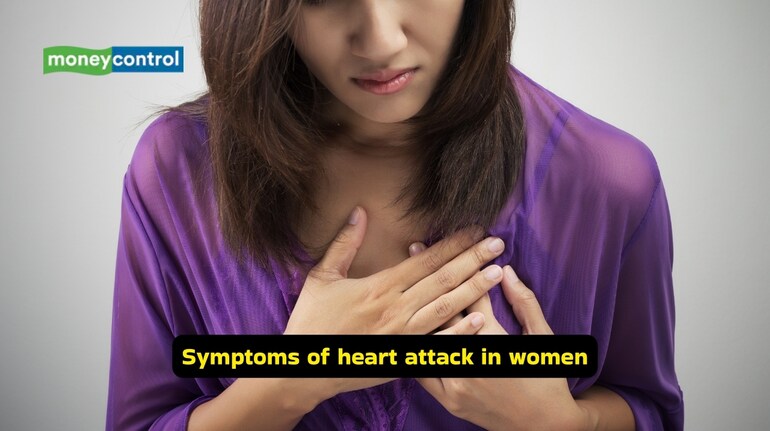

The rise in cardiovascular diseases, especially in women, has been quite alarming. It causes a higher number of deaths in women than breast cancer, lung cancer, and chronic lung disease combined, as compared to men.
A new review in the European Heart Journal has now analysed how men and women differ in risk biology, symptoms, and outcomes when it comes to heart disease. This was explained by Dr Amir Khan, an NHS general practitioner in London, in his new post on Instagram.
The review was gathered from volumes of data from around the world. Dr Khan said, “Globally nearly half of all cardiovascular deaths happen in women. Yet many of us don’t realise how big a problem it is. That’s partly because heart disease in womencan look very different from the classic male pattern.”
Also read | Doctors warn: Heart attacks rarely come without signs. Here's what we ignore
He added that the traditional risk tools used by doctors to estimate heart attack and stroke chances were built on data from men and not women. Thus, women’s risk is often underestimated as much as their symptoms.
While traditional risks remain the same for both the sexes, what differs are women specific factors that make them more susceptible.
Dr Khan said, “This research highlights both classic risks that we know about like diabetes, high blood pressure, and smoking. But really important, it highlighted women-specific factors that can increase your risk.”
These include:
Pregnancy complications such as preeclampsia
Menopausal changes that accelerate risk
Unique vascular patterns that don’t show up on standard tests
Differences in how body fat, blood pressure, and cholesterol impact women
He also mentioned how women don’t always get the textbook chest pain when they have a heart attack.
Also read | Warning signs of a heart attack: Symptoms in men, women, and the elderly, plus prevention tips
Shortness of breath
Nausea, or indigestion like discomfort
Jaw, neck, back, and shoulder pain
Lightheadedness or fatigue
Dr Khan shared how these are often overlooked by both women and even doctors, thus increasing the need for more awareness and better assessment tools. “Women are more likely to be diagnosed later and treated less aggressively until symptoms are anxiety or stress, all because the system was around men. The review says we need better awareness among women and doctors, risk tools that actually work for women from the start, and earlier detection, especially during pregnancy or perimenopause. This is a call to change the whole system, not just individual care.”
1. What are the common symptoms of a heart attack in women?
Women may experience shortness of breath, nausea, indigestion-like discomfort, jaw, neck, back, and shoulder pain, lightheadedness, or fatigue.
2. How do heart attack symptoms in women differ from men?
Women’s symptoms often don’t include the classic chest pain seen in men and can be more subtle, making them harder to recognize.
3. Why are heart attacks often missed in women?
Heart attack symptoms in women are frequently overlooked by both women and doctors due to their subtler nature and the reliance on male-centric diagnostic tools.
4. What unique factors increase heart attack risk in women?
Factors like pregnancy complications, menopausal changes, unique vascular patterns, and different impacts of body fat, blood pressure, and cholesterol increase women’s risk.
5. How can awareness about heart attack symptoms in women be improved?
Increasing awareness among women and doctors, developing risk tools tailored for women, and focusing on early detection, especially during pregnancy or perimenopause, are crucial.
Disclaimer: This article, including health and fitness advice, only provides generic information. Don’t treat it as a substitute for qualified medical opinion. Always consult a specialist for specific health diagnosis.
Discover the latest Business News, Sensex, and Nifty updates. Obtain Personal Finance insights, tax queries, and expert opinions on Moneycontrol or download the Moneycontrol App to stay updated!
Find the best of Al News in one place, specially curated for you every weekend.
Stay on top of the latest tech trends and biggest startup news.





