






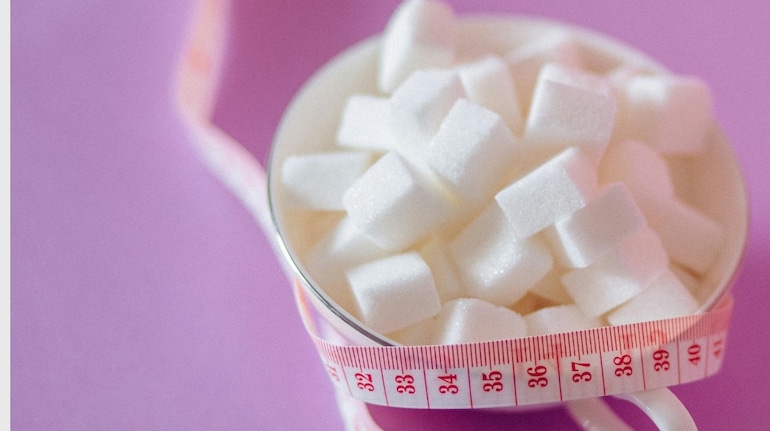

Added sugar is considered bad for your body for a reason. It puts you at risk of chronic diseases such as obesity, Type 2 diabetes, fatty liver, and heart problems. Eliminating it from your system is therefore important, as it can change the way your body feels and functions.
Dr Saurabhi Sethi, a Harvard-trained gastroenterologist, took to his Instagram account to share how sugar isn’t just empty calories, but also affects appetite, cravings, insulin, and liver fat, often silently, keeping us in oblivion. That’s why he suggests his patients remove added sugar from their diet for 14 days to see the difference.
Dr Sethi said the first obvious signs people feel are cravings, headaches or fatigue, irritability, and brain fog. However, he added that this shouldn’t be treated as withdrawal; rather, it is the brain recalibrating reward signals. Things shift as they continue to go without sugar. Eventually, there’s a drop in cravings, less bloating, energy stabilises, and fewer afternoon crashes. This indicates a better insulin response.
Also read: Why Bihari cuisine is emerging as India’s next big food obsession
In just the second week, people begin to see a noticeable difference. They have a flatter stomach, fewer food urges, improved fasting glucose, and clearer hunger cues. They even begin to sleep better. Dr Sethi added that the shift may not be evident on the scale, but the metabolism shows signs of improvement.
According to the gastroenterologist, skipping added sugar for 14 days leads to significant improvements in the body. These include quieter insulin spikes, a reduced liver sugar load, decreased water retention, reset taste buds, and lower visceral fat signalling. It’s a complete metabolic reset and not just weight-loss hype.
A post shared by Saurabh Sethi MD MPH | Gastroenterologist (@doctor.sethi)View this post on Instagram
He added that this change happens even when you are not fasting all day, cutting fruit, or following any diet like keto or zero carb. This is simply the result of removing added sugar from your diet.
For those who may not be aware, the sources of added sugar include: drinks and juices, flavoured yoghurt, cereals and bards, sauces and dressings, baked goods, sweetened alcohol. He also warned that some of the food labels may say “healthy,” but it doesn’t mean low sugar.
If you are someone who has constant cravings, bloating, fatty liver, insulin resistance, low energy, and poor sleep, this reset should work in your favour.
Q1: What is added sugar?
Added sugar refers to sugars and syrups that are added to foods and drinks during processing or preparation. This includes table sugar, honey, syrups, and sugars added to beverages, baked goods, and packaged foods.
Q2: How is added sugar different from natural sugar?
Natural sugars occur naturally in foods like fruits, vegetables, and milk, along with fiber and nutrients. Added sugars provide calories with little to no nutritional value.
Q3: Why is too much added sugar unhealthy?
Excess added sugar can contribute to weight gain, tooth decay, blood sugar spikes, increased risk of type 2 diabetes, heart disease, and fatty liver disease.
Q4: How much added sugar is recommended per day?
Health organizations generally recommend limiting added sugar to less than 10% of daily calories—about 25–36 grams (6–9 teaspoons) per day for most adults.
Q5: What are common sources of added sugar?
Sugary drinks, desserts, candies, breakfast cereals, flavored yogurt, sauces, salad dressings, and packaged snacks are major sources.
Disclaimer: This article, including health and fitness advice, only provides generic information. Don’t treat it as a substitute for qualified medical opinion. Always consult a specialist for specific health diagnosis.
Discover the latest Business News, Sensex, and Nifty updates. Obtain Personal Finance insights, tax queries, and expert opinions on Moneycontrol or download the Moneycontrol App to stay updated!
Find the best of Al News in one place, specially curated for you every weekend.
Stay on top of the latest tech trends and biggest startup news.





