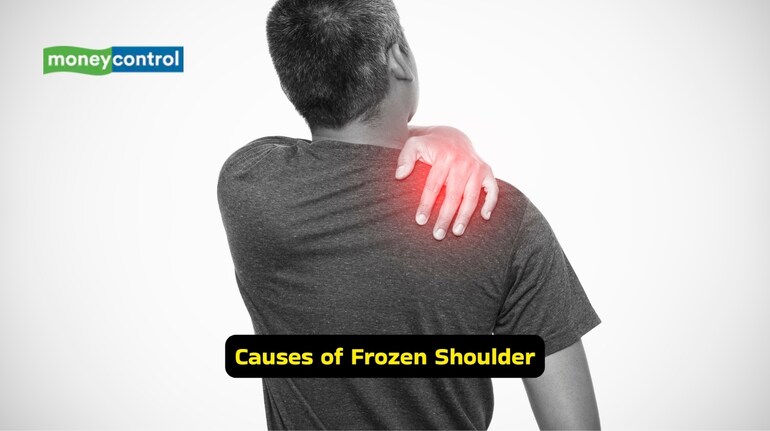

Ever tried lifting your arm only to feel a sharp pull, stiffness, or a dull ache that simply won’t go away? What starts as mild discomfort can slowly turn into restricted movement that makes even daily tasks like buttoning a shirt or reaching overhead very painful. This condition is commonly known as frozen shoulder, and it’s far more common than most people realise.
Frozen shoulder, medically referred to as adhesive capsulitis, is a condition where the shoulder joint becomes stiff, painful, and difficult to move. It occurs when the connective tissue surrounding the shoulder joint thickens and tightens, limiting motion. Over time, the joint capsule becomes inflamed, and adhesions form, restricting movement even further.
Also read | Frozen shoulder: Know the types, pain, stiffness, and how to cope with it
The condition typically develops gradually and progresses through three stages. The first is the freezing stage, marked by increasing pain and stiffness. This is followed by the frozen stage, where pain may reduce but movement becomes significantly restricted. Finally comes the thawing stage, during which mobility slowly returns. The entire cycle can last anywhere from several months to up to two years if left untreated.
Frozen shoulder affects roughly 2–5 percent of the general population and is most common between the ages of 40 and 60. It occurs more frequently in women, but men, especially active individuals, are not immune. Certain conditions increase the risk, including diabetes, thyroid disorders, prolonged immobility, and recovery after surgery or injury.
For gym users and athletes, frozen shoulders often develop due to repetitive strain, poor form, or ignoring early warning signs like shoulder tightness or persistent soreness. Overtraining without adequate recovery, heavy overhead lifts, and muscle imbalances between the chest and upper back can also contribute. Ironically, both excessive use and prolonged rest can trigger the condition.
Prevention begins with respecting shoulder mobility. Always warm up thoroughly before workouts, especially before overhead movements such as presses, pull-ups, or snatches. Incorporating dynamic stretches and activation drills for the rotator cuff, upper back, and shoulder stabilisers helps protect the joint.
Balanced training is equally important. Many athletes focus heavily on pushing exercises while neglecting pulling movements, leading to tight chest muscles and weakened back muscles. Regular mobility work, foam rolling, and post-workout stretching can keep the shoulder capsule flexible. Listening to your body and taking rest days seriously can prevent minor stiffness from turning into chronic restriction.
Early intervention is important and once symptoms appear, reducing activities that aggravate the shoulder is crucial. Avoid complete immobilization should as gentle movement helps prevent further stiffness. Physical therapy is considered the most effective treatment, focusing on controlled stretching and strengthening exercises to restore range of motion.
Pain management may include anti-inflammatory medications, heat therapy to relax muscles, or cold packs to reduce inflammation. In some cases, doctors may recommend injections to ease pain and improve mobility, especially in the early stages.
Daily stretching, posture correction, and gradual strengthening can accelerate healing. Maintaining good sleep posture also makes a noticeable difference. In severe cases that don’t respond to conservative treatment, one may require advanced interventions, but these are usually a last resort.
What is frozen shoulder?
Frozen shoulder, or adhesive capsulitis, is a condition where the shoulder joint becomes stiff and painful, limiting movement. It occurs as the connective tissue around the joint thickens and tightens, forming adhesions and restricting motion. The condition progresses through three stages over several months to two years.
What are the causes of frozen shoulder?
Frozen shoulder affects about 2-5% of the population, particularly those aged 40-60, and is more common in women. Risk factors include diabetes, thyroid disorders, prolonged immobility, and recovery from surgery or injury. It can also result from repetitive strain, poor form, overtraining, or prolonged rest.
How can frozen shoulder be prevented?
Preventing frozen shoulder involves maintaining shoulder mobility through thorough warm-ups, dynamic stretches, and activation drills for the rotator cuff, upper back, and stabilisers. Balanced training, including both pushing and pulling exercises, regular mobility work, foam rolling, and post-workout stretching, is essential. Listen to your body and take rest days seriously.
How is frozen shoulder treated?
Early intervention is key. Reduce activities that aggravate the shoulder, but avoid complete immobilisation. Physical therapy is most effective, focusing on controlled stretching and strengthening exercises. Pain management may include anti-inflammatory medications, heat or cold therapy, and possibly injections. Daily stretching, posture correction, and gradual strengthening aid recovery.
What should one do if severe cases of frozen shoulder don’t respond to conservative treatment?
In severe cases unresponsive to conservative treatments, advanced interventions may be necessary, though they are usually a last resort. Always consult with a healthcare professional for specific advice and treatment options tailored to your condition.
Disclaimer: This article, including health and fitness advice, only provides generic information. Don’t treat it as a substitute for qualified medical opinion. Always consult a specialist for specific health diagnosis.
Discover the latest Business News, Sensex, and Nifty updates. Obtain Personal Finance insights, tax queries, and expert opinions on Moneycontrol or download the Moneycontrol App to stay updated!
Find the best of Al News in one place, specially curated for you every weekend.
Stay on top of the latest tech trends and biggest startup news.