






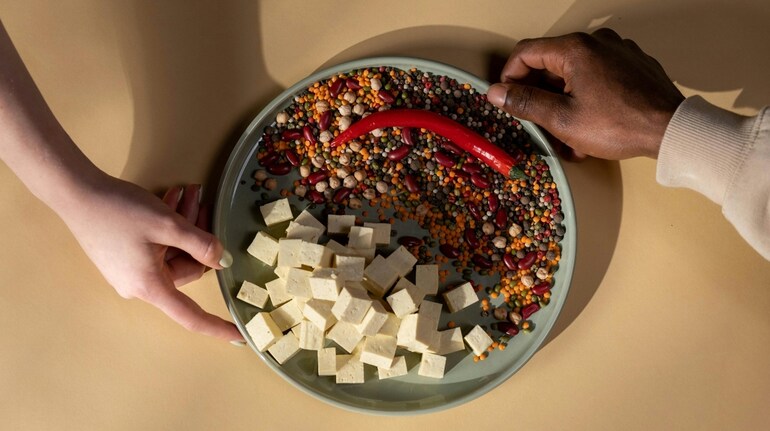

A fish fillet has been known to be a health icon. Nutritionists and other health experts alike have hailed it as essential for muscle and vitality. However, modern research shows that vegetarian diets, when well-planned, can provide protein amounts comparable to fish, sometimes even more. And unlike the old stereotypes of tasteless vegetarian meals, these foods are versatile, hearty, and satisfying.
Fish isn’t the only way to get complete protein. Plant foods like soy, legumes, nuts, seeds, and grains, when combined thoughtfully, offer all essential amino acids. PubMed research shows that these foods not only meet protein requirements but often surpass expectations, particularly in concentrated forms like seitan or soy protein isolates. What’s more, they deliver fibre, vitamins, minerals, and compounds that support heart health, benefits fish alone doesn’t provide.
Made from wheat gluten, seitan contains up to 25 g protein per 100 g, rivaling many fish fillets. It’s a flexible, savoury staple for those seeking dense plant protein.
Tofu and tempeh are complete proteins. Tempeh offers around 19 g per 100 g, while soy protein isolates go even higher. Versatile in taste and cooking styles.
Lentils, chickpeas, and beans pack 7–9 g per half‑cup cooked. Combined with grains, they provide complete amino acids and steady energy.
Hemp, chia, almonds, and peanuts are compact protein sources. They add essential fats and minerals, perfect as snacks or meal boosters.
Quinoa and other grains help round out protein intake. Individually, they may not outscore fish, but they complement legumes and seeds for a complete protein profile.
Vegetarian foods aren’t just alternatives, they can compete with, and even surpass, fish in protein content. With a thoughtful mix of seitan, soy, legumes, nuts, and grains, a vegetarian plate today can deliver muscle‑friendly protein, micronutrients, and fibre.
1. What vegetarian foods are high in protein?
Seitan, soy products (like tofu and tempeh), legumes, nuts, seeds, and whole grains are excellent sources of protein.
2. How much protein does seitan contain?
Seitan, made from wheat gluten, contains up to 25 g of protein per 100 g, comparable to many fish fillets.
3. Are soy products good protein sources?
Yes, soy products such as tofu and tempeh are complete proteins. Tempeh offers around 19 g of protein per 100 g, while soy protein isolates can contain even higher amounts.
4. What about legumes?
Lentils, chickpeas, and beans provide 7–9 g of protein per half-cup cooked. When combined with grains, they offer complete amino acids and sustained energy.
5. How do nuts and seeds contribute to protein intake?
Nuts like almonds and peanuts, and seeds like hemp and chia, are compact sources of protein. They also provide essential fats and minerals, making them perfect as snacks or meal enhancers.
6. Can whole grains provide significant protein?
Whole grains such as quinoa help round out protein intake. While they may not individually surpass fish in protein content, they complement legumes and seeds to form a complete protein profile.
Disclaimer: This article, including health and fitness advice, only provides generic information. Don’t treat it as a substitute for qualified medical opinion. Always consult a specialist for specific health diagnosis
Discover the latest Business News, Sensex, and Nifty updates. Obtain Personal Finance insights, tax queries, and expert opinions on Moneycontrol or download the Moneycontrol App to stay updated!
Find the best of Al News in one place, specially curated for you every weekend.
Stay on top of the latest tech trends and biggest startup news.





