







Getting to sleep on time is one of the hardest things to follow through these days. We focus on health goals like eating right, working out, and taking care of our skin, but often neglect sleep. Scrolling on our phones, watching shows for hours, or eating late at night all make it tough to rest well.
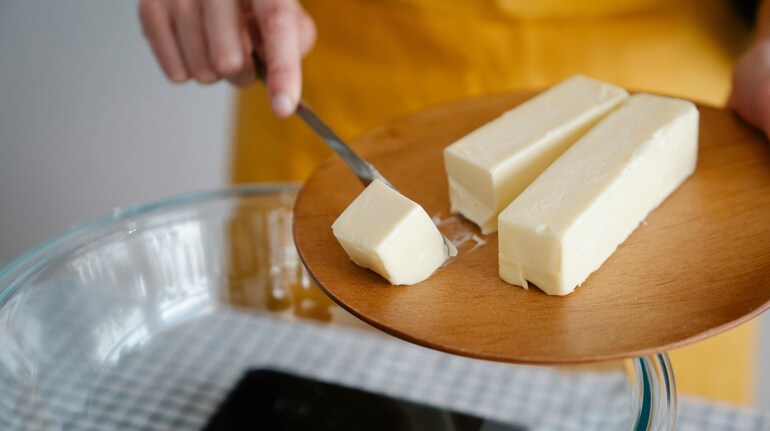
People on social media have been talking about a new trick: eating butter just before bed to sleep better. They say a small amount of butter can help with sleepless nights. But does science back this up?
Dr Kalpana Gupta, who leads the Clinical Nutrition Department at Max Smart Super Speciality Hospital in Saket, tells Moneycontrol there's no solid proof that eating butter before bed helps you sleep better or longer.
“Butter is mostly saturated fat with very few nutrients like protein, tryptophan, or magnesium, which are linked to better sleep. The idea of butter as a sleep aid is largely a social media trend. Sleep quality depends far more on consistent routines and healthy habits than on any single food,” explains Dr Gupta.
One reason people consider eating before bed is to avoid waking up in the middle of the night. Low blood sugar levels can sometimes cause sleep disruptions, particularly between 2 am and 4 am
“When blood sugar drops abnormally, the body releases stress hormones like cortisol and adrenaline to restore it. These hormones can cause alertness, tossing, sweating, or a racing heartbeat, making it hard to sleep,” Dr Gupta says. However, she notes that low blood sugar is not the only reason for waking in the middle of the night.
Many believe fat, like butter, can help maintain blood sugar overnight. But Dr Gupta points out that fat alone isn’t effective:
“Maintaining stable blood sugar requires a combination of protein, fiber, and complex carbohydrates. Relying only on fat may add unnecessary calories without helping sleep or energy balance.”
Late-night snacks, especially high-calorie or sugary foods, can also disrupt hormones such as insulin, melatonin, and cortisol, further affecting sleep. Small, balanced snacks, however, generally have little impact on these hormones.
Not everyone can benefit from high-fat snacks before bed. People with acid reflux, indigestion, high cholesterol, heart disease risk, obesity, or gallbladder issues should avoid fatty foods at night, as fat slows digestion and can disturb sleep. For these individuals, light and easily digestible snacks are a safer choice.
If you feel hungry before bed, Dr Gupta recommends snacks that combine protein and complex carbohydrates rather than pure fat.
Some other options include:
She also recommends eating these two hours before going to bed. This makes digestion easier and keeps blood sugar steady through the night.
Dr Gupta says instead of running after food tricks that go viral, it's better to zero in on methods that have been shown to help you sleep:
Going to bed and waking up at the same time every day supports your body’s natural clock.
This helps melatonin production, the hormone responsible for sleep.
Also Read: 7 simple reasons why you should stop eating high-fat sugary snacks
Avoid heavy meals and caffeine late in the day for uninterrupted sleep.
“These habits are far more effective than any late-night snack, including butter,” she says.
Eating butter before bed is not a magic solution for sleep. While a small snack may help prevent hunger-related wake-ups for some, what truly matters is balanced meals, stable blood sugar, and consistent sleep routines. Listening to your body, prioritizing healthy habits, and avoiding viral hacks is the most reliable way to enjoy restful nights.
1. Does eating butter before bed help you sleep?
There is no scientific evidence that butter improves sleep quality or duration.
2. Can low blood sugar cause nighttime wake-ups?
Yes, low blood sugar may trigger stress hormones like cortisol and adrenaline, leading to disrupted sleep.
3. Are high-fat snacks good before sleeping?
Fat alone does not stabilize blood sugar effectively and may disrupt digestion, especially in sensitive individuals.
4. What are healthier snacks before bed?
Yogurt with nuts, milk with oats, whole-grain toast with peanut butter, or banana with almonds are better options.
5. What really improves sleep quality?
Consistent sleep routines, limiting screens, managing caffeine intake, and balanced meals are proven strategies.
Disclaimer: This article, including health and fitness advice, only provides generic information. Don’t treat it as a substitute for qualified medical opinion. Always consult a specialist for specific health diagnosis.

Discover the latest Business News, Sensex, and Nifty updates. Obtain Personal Finance insights, tax queries, and expert opinions on Moneycontrol or download the Moneycontrol App to stay updated!
Find the best of Al News in one place, specially curated for you every weekend.
Stay on top of the latest tech trends and biggest startup news.





