






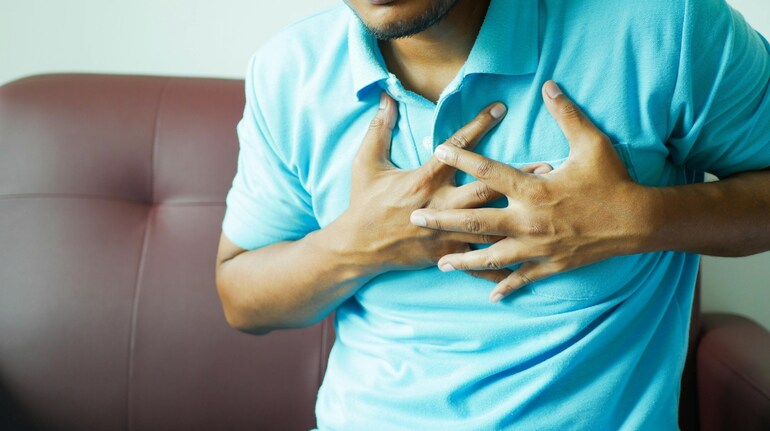

Cardiovascular emergencies remain one of the leading causes of sudden death across the globe. They include heart attacks, sudden cardiac arrest, dangerous rhythm disturbances, severe heart failure, aortic tears and extreme spikes in blood pressure.
What makes these emergencies especially dangerous is the speed at which they unfold. The gap between treatable damage and permanent injury is often measured in minutes. “These are not conditions where one can afford to wait and watch,” says Dr Sunil Sofat, Senior Director, Interventional Cardiology and Electrophysiology, Max hospital, Noida. “Early recognition and immediate medical care can help improve survival,” he adds.
Warning signs are subtle. These include chest discomfort, pressure in the arms or jaw, sudden breathlessness, fainting, severe palpitations or sudden weakness on one side of the body. Dr Sofat says these should never be ignored: “Delays can cost heart muscle or brain function.”
A heart attack happens when a clot suddenly blocks blood flow to part of the heart. Without oxygen, heart cells begin to die. “The goal is to restore blood flow as quickly as possible. Every minute of delay increases the risk of permanent damage,” explains Dr Sofat. Modern emergency care focuses on rapid diagnosis using electrocardiograms and blood tests, followed by urgent treatment. This may involve clot-dissolving medicines or an emergency angioplasty procedure to open the blocked artery. Speed directly affects recovery and long-term health.
Sudden cardiac arrest is one of the most common medical emergencies. Often caused by a dangerous rhythm such as ventricular fibrillation, the heart suddenly stops pumping effectively. The person collapses without warning. “Immediate CPR and early defibrillation are critical. Survival chances drop with each passing minute without intervention,” says Dr Sofat. Other rhythm problems, including very slow or extremely fast heartbeats, can also become life-threatening. Continuous monitoring and rapid advanced care are essential in these cases.
Severely high blood pressure can damage vital organs such as the brain, heart and kidneys in a short time. Stroke and acute heart failure are common consequences if not treated quickly. Aortic dissection, a tear in the body’s main artery, is less common but highly dangerous. Sudden, severe chest or back pain requires immediate medical evaluation. Early diagnosis and careful management can save lives.
Dr Sofat stresses that survival depends not only on hospital care but also on public awareness. Recognising symptoms early and seeking help immediately can reduce deaths significantly. “Preparedness is critical,” Dr Sofat says. “In cardiovascular emergencies, response time makes all the difference.” When it comes to the heart, every second truly counts.
Also read: Doctor says these 3 medicines can save a heart attack patient
Q. What is a heart attack?
A heart attack, medically called Myocardial infarction, occurs when blood flow to a part of the heart muscle is blocked, usually due to a clot.
Q. What is the most common symptom of a heart attack?
Chest pain or discomfort — often described as pressure, tightness, squeezing, or heaviness — is the most common symptom.
Q. Can heart attack pain spread to other areas?
Yes. Pain may radiate to the left arm, neck, jaw, back, or shoulder.
Q. Are shortness of breath and sweating warning signs?
Yes. Sudden breathlessness, cold sweats, nausea, or lightheadedness can signal a heart attack.
Q. Do women experience different symptoms?
Women may experience subtler symptoms such as unusual fatigue, nausea, back pain, or mild chest discomfort.
Disclaimer: This article, including health and fitness advice, only provides generic information. Don’t treat it as a substitute for qualified medical opinion. Always consult a specialist for specific health diagnosis.
Discover the latest Business News, Sensex, and Nifty updates. Obtain Personal Finance insights, tax queries, and expert opinions on Moneycontrol or download the Moneycontrol App to stay updated!
Find the best of Al News in one place, specially curated for you every weekend.
Stay on top of the latest tech trends and biggest startup news.





