







Diabetes management has long been wrapped in fear, food guilt and complicated instructions. But a growing number of experts say the future looks calmer, kinder and far more practical.
Managing blood sugar isn’t about deprivation,says Siddhi Kripal, Consultant Nutritionist, Nutriiya. “It’s about making smarter choices that actually fit into your daily life.” After working with hundreds of people living with Type 2 diabetes and pre-diabetes, Kripal suggests that dramatic trends rarely last. Sustainable results, she explains, come from small changes done consistently, not from chasing perfection.
In 2026, the focus has shifted away from obsessive calorie tracking and rigid food bans. Instead, attention is turning to how you eat, when you eat and how gently you move your body. “These changes may look modest on paper, but together they can significantly improve blood sugar control, energy levels and long-term health” tells Kripal.
One of the most effective yet overlooked strategies is meal sequencing. “Start your meal with vegetables or protein before touching your rice or roti,” Kripal advises. “This simple habit can reduce post-meal glucose spikes by nearly 30 per cent.” The reason lies in digestion speed: fibre and protein slow the absorption of carbohydrates, preventing sudden sugar surges.
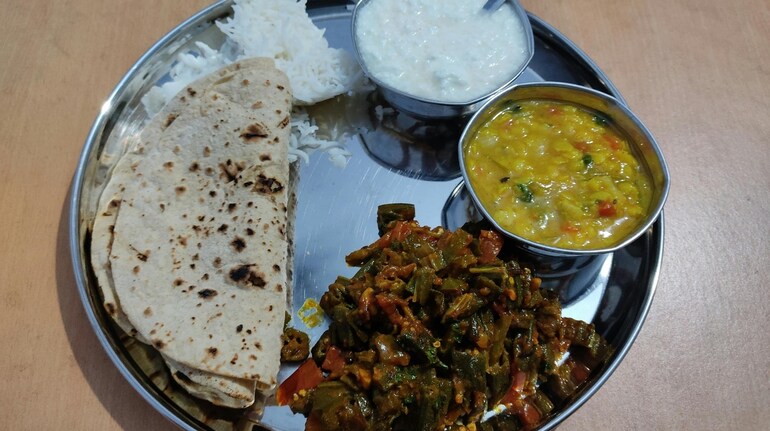
She suggests building your thali with intention. “Half the plate should be non-starchy vegetables such as lauki, bhindi or palak. One quarter goes to protein – dal, paneer, eggs or fish, while the final quarter is reserved for grains, ideally unpolished options like brown rice, jowar or bajra roti.” she says. Timing, she adds, also plays a crucial role. Eating dinner by 7:30 pm allows the body to process glucose before sleep. “Late-night meals are one of the most underrated contributors to poor morning sugar readings,” Kripal reveals.
Exercise does not have to mean heavy workouts or gym memberships. According to Kripal, certain yoga asanas can improve insulin sensitivity by stimulating the pancreas and lowering cortisol, the stress hormone that raises blood sugar.
Mandukasana, or Frog Pose, gently compresses the abdomen and supports pancreatic function. Ardha Matsyendrasana, the seated spinal twist, massages internal organs and aids digestion. Paschimottanasana helps calm the nervous system, while Shavasana locks in the benefits through deep relaxation.
“Aim for 20 to 30 minutes daily, ideally in the morning before breakfast,” she says. But the real secret lies in consistency. “A 15-minute walk after meals often does more for blood sugar than an intense workout you skip most of the week.”
Also Read: Type 2 diabetes and cancer: Manage diabetes with this traditional Indian diet guide
What should I eat first in a meal to manage blood sugar?
Start your meal with vegetables or protein before eating rice or roti to reduce post-meal glucose spikes.
How should I build my plate for balanced nutrition?
Half your plate should be non-starchy vegetables, one quarter with protein, and the final quarter with grains, preferably unpolished options like brown rice, jowar, or bajra roti.
What is an ideal dinner time for better glucose control?
Eating dinner by 7:30 pm allows your body to process glucose before sleep, helping to improve morning sugar readings.
What type of exercise is recommended for managing diabetes?
Gentle yoga or daily walks are effective. Aim for 20 to 30 minutes daily, ideally in the morning before breakfast.
Why is consistency important in diabetes management?
Consistent small changes, like a 15-minute walk after meals, can significantly improve blood sugar control more than sporadic intense workouts.
Disclaimer: This article, including health and fitness advice, only provides generic information. Don’t treat it as a substitute for qualified medical opinion. Always consult a specialist for specific health diagnosis.
Discover the latest Business News, Sensex, and Nifty updates. Obtain Personal Finance insights, tax queries, and expert opinions on Moneycontrol or download the Moneycontrol App to stay updated!
Find the best of Al News in one place, specially curated for you every weekend.
Stay on top of the latest tech trends and biggest startup news.





