






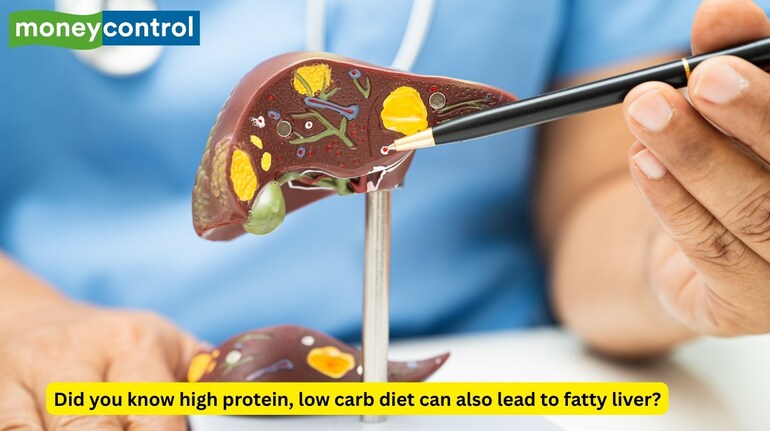

Fatty liver disease was once believed to be a consequence of excess weight, poor diet and little movement. However, that narrative is rapidly changing. Now, it is the young professionals who count macros, wake up early for workouts and proudly fit into the healthy BMI bracket, finding that fat has begun to accumulate in their livers, sometimes unnoticed for years.
This condition, now termed lean MASLD (Metabolic dysfunction associated steatotic liver disease), accounts for nearly 10 per cent of cases in India and is far more common here than in Western countries due to genetic and environmental factors. According to Dr Piyush Vishwakarma, Consultant- Gastroenterology, Hepatology & Liver Transplant, RG Hospitals, New Delhi, weight alone is no longer a reliable marker of liver health. He explains, “Fatty liver is part of a larger metabolic spectrum that affects multiple organ systems, including the kidneys and urinary tract. We are seeing patients who do everything right on the surface; clean eating, daily exercise, no obvious illness, yet their liver tells a different story.”
One reason, he says, lies in extreme dietary patterns. High-protein, low-carb diets, popular for rapid fat loss or muscle gain, can flood the liver with fatty acids. Add to that a heavy reliance on protein powders, energy drinks and supplements that are rarely medically regulated, and the liver’s metabolic load quietly increases.
Also read: Are the eggs you eat for breakfast safe? Doctor says beware of this one substance
Additionally, intermittent fasting, another wellness trend, can cause harm when followed without professional guidance. “In some people, prolonged fasting causes insulin fluctuations that encourage fat storage in the liver rather than fat loss,” Dr Vishwakarma explains.
Drinking habits also matter. Alcohol often slips under the radar, especially when it comes in the form of low-sugar cocktails or clear spirits. “Many people believe gin or vodka is harmless,” says Dr Vishwakarma. “But even moderate alcohol, combined with intense training, can accelerate liver inflammation.” The danger, he adds, is amplified by the fact that fatty liver disease rarely announces itself early. “Most people feel perfectly fine. Blood tests may look normal, and mild enzyme changes are often dismissed as temporary.”
By the time symptoms appear, persistent fatigue, abdominal discomfort or early fibrosis, the disease has already progressed. “This is why lean MASLD is particularly deceptive,” Dr Vishwakarma shares. “Patients are often diagnosed late because no one suspects liver disease in someone who looks so fit.”
People following extreme diets or prolonged fasting
Regular gym-goers using multiple supplements
Social drinkers who train intensely
Those with high cholesterol, thyroid issues or PCOS
Anyone with a family history of liver disease
Also read: Doctor says these 3 medicines can save a heart attack patient
The solution is not to stop exercising or eating well, but to redefine balance. “Regular liver function tests, ultrasounds or FibroScan assessments should be considered, even by the seemingly healthy,” Dr Vishwakarma informs, adding, “True fitness isn’t just about visible abs or endurance. It’s about what’s happening silently inside the body too.”
Q1. What is fatty liver disease?
Fatty liver disease occurs when excess fat builds up in the liver, affecting its normal function.
Q2. What are the main types of fatty liver disease?
There are two main types: alcoholic fatty liver disease and non-alcoholic fatty liver disease (NAFLD), which is not related to alcohol intake.
Q3. What causes fatty liver?
Common causes include obesity, insulin resistance, diabetes, high cholesterol, poor diet, physical inactivity and excessive alcohol consumption.
Q4. Can fatty liver occur in people who eat clean and exercise?
Yes. Genetics, metabolic issues, hidden sugar intake, stress and poor sleep can contribute despite healthy habits.
Q5. What are the symptoms of fatty liver?
Often there are no early symptoms. Some people may experience fatigue, abdominal discomfort or weakness.
Disclaimer: This article, including health and fitness advice, only provides generic information. Don’t treat it as a substitute for qualified medical opinion. Always consult a specialist for specific health diagnosis.
Discover the latest Business News, Sensex, and Nifty updates. Obtain Personal Finance insights, tax queries, and expert opinions on Moneycontrol or download the Moneycontrol App to stay updated!
Find the best of Al News in one place, specially curated for you every weekend.
Stay on top of the latest tech trends and biggest startup news.





