The monsoon season and food are intricately interconnected due to the unique environmental conditions and potential health risks they pose. Monsoons bring increased humidity and rainfall, creating ideal breeding grounds for bacteria and fungi. This heightened moisture can contaminate food supplies, making proper food handling and hygiene crucial to prevent illnesses. Moreover, fluctuating temperatures and humidity levels during the monsoon can affect food storage and preservation, leading to spoilage if not managed carefully.
In terms of dietary habits, the monsoon calls for adjustments in food choices. Opting for seasonal fruits and vegetables that are less prone to contamination are the healthiest ones. Additionally, by maintaining awareness of these factors and adopting appropriate dietary practices, individuals can navigate the monsoon season safely while ensuring their nutritional needs are met.
Here are foods one should eat during monsoon and what to avoid according to Hyderabad-based dietician Pankhuri Sharma.
Foods to eatSeasonal fruits: Choose apples, pears, pomegranates, cherries, and plums for their lower susceptibility to contamination and immune-boosting properties during the monsoon.
Herbal teas: Enjoy warm ginger, cinnamon, tulsi (holy basil), or lemongrass teas to aid digestion and strengthen immunity against seasonal illnesses.
Light soups and stews: Opt for soups and stews with seasonal vegetables like bitter gourd, snake gourd, and round gourd, known for their easy digestibility and nutrient content.
Cooked vegetables: Prefer cooked vegetables such as okra, bottle gourd, and carrots to avoid potential contaminants, ensuring safer consumption during the monsoon.
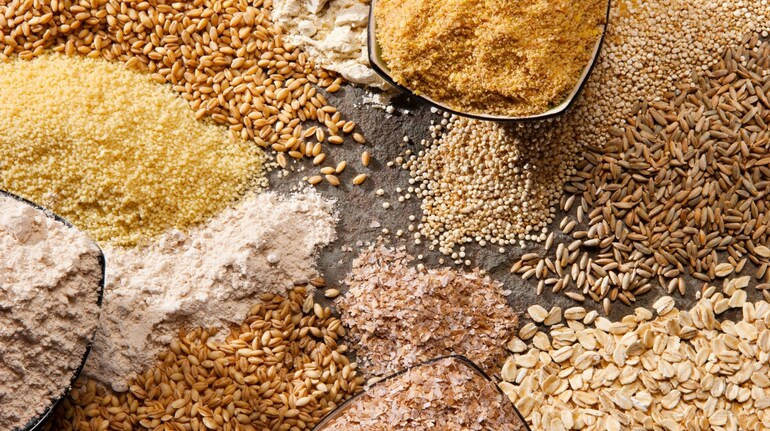
Whole grains: Include oats, barley, and quinoa in your diet for sustained energy and fibre, supporting digestive health and overall well-being during rainy weather.
Probiotic foods: Consume yoghurt or buttermilk rich in probiotics to maintain gut health, enhance immunity, and prevent digestive issues common in humid conditions.
Foods to avoidLeafy greens: Avoid raw spinach, cabbage, and lettuce due to potential dirt and bacterial contamination, opting for cooked alternatives during monsoon months.
Street food: Steer clear of chaat, pakoras, and cut fruits from street vendors to minimise the risk of foodborne illnesses during the rainy season.
Fried and oily foods: Limit intake of fried snacks like samosas and oily curries, as they can be heavy on the stomach and may exacerbate digestive discomfort in humid weather.
Raw seafood: Refrain from consuming raw or undercooked seafood to prevent infections and ensure food safety during monsoon-related fluctuations in temperature and humidity.
Unfiltered water: Avoid drinking untreated water and choose boiled or bottled water to prevent waterborne diseases that are prevalent during the rainy season.
Dairy products: Be cautious with milk and cheese, ensuring they are sourced from reliable providers and stored properly to maintain freshness and safety in damp weather conditions.
Discover the latest Business News, Sensex, and Nifty updates. Obtain Personal Finance insights, tax queries, and expert opinions on Moneycontrol or download the Moneycontrol App to stay updated!
Find the best of Al News in one place, specially curated for you every weekend.
Stay on top of the latest tech trends and biggest startup news.