






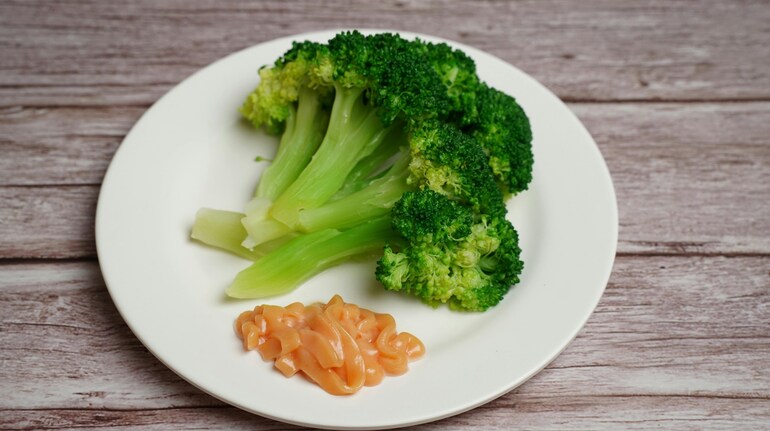

Have you tried recipes with broccoli, like creamy broccoli almond soup or a crisp broccoli salad? Broccoli is finding its place in the modern kitchen, as the green florets blend in with other vegetables. The vegetable packs a powerful nutritional punch. Research on Brassica oleracea var. italica shows that broccoli may support heart health, reduce inflammation, and provide a range of other benefits.
Speaking about its nutrients, broccoli is rich in vitamins, minerals, fibre, and bioactive compounds. Compounds such as glucosinolates and their breakdown product sulforaphane have been shown to influence antioxidant pathways in the body, helping cells manage stress and potentially lowering risk factors for chronic disease.
It’s not just the heart‑friendly fibre and potassium that make broccoli a cardiovascular asset. Research in animal models shows that broccoli consumption can activate cellular pathways involved in cardioprotection, improving how heart muscle responds to stress and reducing signs of cellular damage after injury.
Broccoli’s most talked‑about compound, sulforaphane, isn’t a vitamin you’ll find on a label but a potent plant compound formed when glucoraphanin is broken down during chewing. It activates antioxidant mechanisms in the body and can dampen inflammatory signalling, which is central to many chronic diseases.
The glucosinolate family of compounds in broccoli plays a role in cellular detoxification and immune signalling. Studies in PubMed suggest they can influence processes tied to DNA repair and normal cell division, mechanisms that may help reduce the risk of several types of cancers when combined with an overall healthy lifestyle.
With generous amounts of vitamin K and minerals like calcium and iron, broccoli contributes to bone mineralisation and proper blood formation, essential functions that often get overlooked in conversations about plant foods.
High in dietary fibre, broccoli helps feed beneficial microbes in the digestive tract and supports regular bowel movements. Some studies suggest that plant‑based fibre can also play a part in maintaining stable blood sugar, appetite control and metabolic health.
1. Why is broccoli considered a superfood?
Broccoli is packed with essential vitamins, minerals, fiber, and antioxidants. It is especially rich in vitamin C, vitamin K, folate, and plant compounds that support overall health.
2. How does broccoli benefit the immune system?
Its high vitamin C content helps strengthen immunity, while antioxidants protect the body from oxidative stress and infections.
3. Can broccoli help with digestion?
Yes, broccoli is high in fiber, which promotes healthy digestion, prevents constipation, and supports gut health.
4. Is broccoli good for heart health?
Broccoli contains fiber, potassium, and antioxidants that may help lower cholesterol levels and support heart function.
5. Does broccoli support weight loss?
It is low in calories and high in fiber, helping you feel full for longer and reducing overeating.
Disclaimer: This article, including health and fitness advice, only provides generic information. Don’t treat it as a substitute for qualified medical opinion. Always consult a specialist for specific health diagnosis
Discover the latest Business News, Sensex, and Nifty updates. Obtain Personal Finance insights, tax queries, and expert opinions on Moneycontrol or download the Moneycontrol App to stay updated!
Find the best of Al News in one place, specially curated for you every weekend.
Stay on top of the latest tech trends and biggest startup news.





