






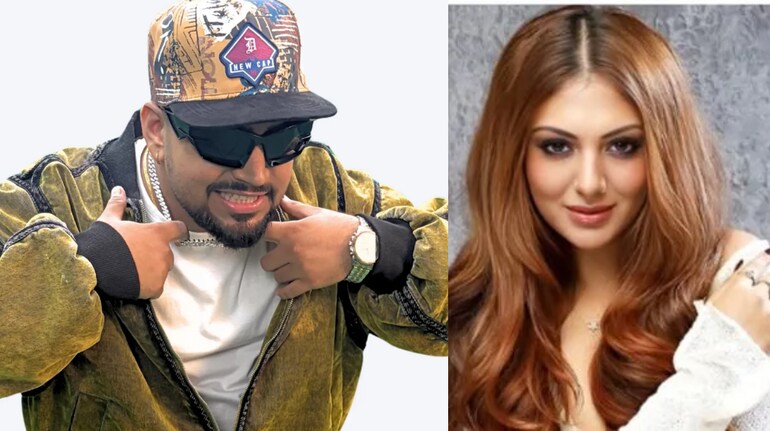

The internet is once again debating the responsibility of influencers after rapper and singer Santy Sharma commented on the bold social media content shared by actress and influencer Khushi Mukherjee. His remarks have sparked a heated discussion online, with many users divided over whether his concerns highlight an important social issue or cross the line into victim-blaming.
The controversy began after Sharma reacted to several bold pictures and videos posted by Mukherjee on social media. In his response, the musician raised concerns about the kind of content influencers share on public platforms that are widely accessible to young audiences. According to him, social media may largely cater to adults, but in reality it is easily available to children and teenagers as well.
Speaking about the matter, Sharma said that influencers with a large following must recognise the impact they have on their audience. He suggested that content creators should be mindful of how their posts may influence younger viewers who often consume social media without supervision.
However, the debate intensified when Sharma made a controversial statement suggesting that “girls like this are contributing to the rise of rape cases in India.” The remark quickly drew strong reactions online. Many users criticised the statement, arguing that crimes such as rape cannot be linked to how someone dresses or the content they share online. Others felt that Sharma was attempting to highlight a broader conversation about social media responsibility, even if his wording came across as harsh.
The discussion soon expanded beyond the individuals involved. Social media users, commentators, and creators began debating issues such as freedom of expression, the responsibilities of influencers, and how society should address sensitive topics like crime and safety. Some voices stressed that public conversations about crime must avoid language that appears to shift blame away from perpetrators. Others maintained that discussions about cultural influence and online content are also worth examining.
For those unfamiliar with Sharma, the artist has built a reputation for speaking openly about social and cultural topics through both music and public commentary. As an independent rapper and performer, he has gained attention for combining socially reflective themes with hip-hop storytelling.
Sharma first gained recognition with songs such as Suni Suni Sadko in 2016 and the motivational rap Udaan in 2017. Over the years, he has released several tracks including Koshish Meri, Tribute, Ek Thi Meri Girlfriend, Killin, Choco Moco, Gangsta, Black Heart, Baahon Mein, Ek Din, Backless Dress and Peeta Daaru, gradually building a loyal audience.
In 2025, the artist released his first solo album Reborn, which featured eight tracks and showcased his range as a musician. Originally from Ratlam, Sharma is often described as one of the first rappers from the region to gain wider recognition in the Indian music scene.
Apart from the current debate, Sharma has also been in the news recently for commenting on the upcoming film Ghooskhor Pandat. Meanwhile, he has announced that his next single titled I Don’t Care will release on March 10, 2026 across major music streaming platforms.
As the online conversation continues, the incident has once again highlighted how statements made by public figures can quickly ignite larger debates about culture, responsibility, and the evolving nature of social media influence in India.
Discover the latest Business News, Sensex, and Nifty updates. Obtain Personal Finance insights, tax queries, and expert opinions on Moneycontrol or download the Moneycontrol App to stay updated!
Find the best of Al News in one place, specially curated for you every weekend.
Stay on top of the latest tech trends and biggest startup news.





