






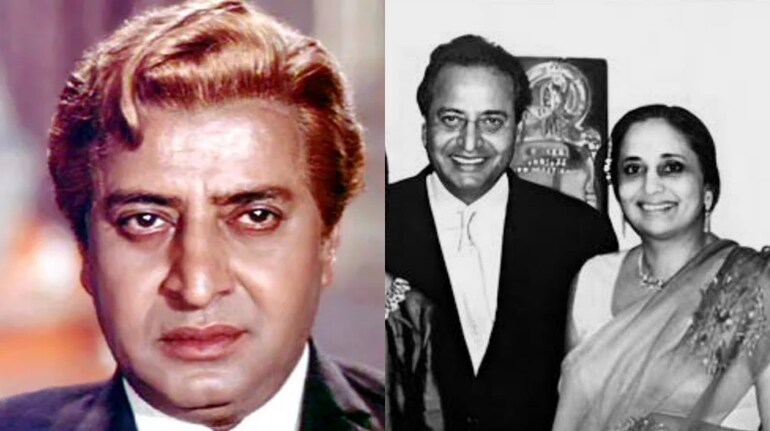

There was a time in Hindi cinema when heroes fought for stardom, but one villain quietly stole the spotlight. Pran was that man. On screen, he terrified audiences so convincingly that women would hide at the sight of him and parents hesitated to name their children Pran. Off screen, he was disciplined, soft-spoken and deeply humane. On his birth anniversary, it feels right to revisit not just the actor, but the man who survived Partition, poverty and professional rejection before becoming a legend.
Pran began his film journey in Lahore with the Punjabi film Yamla Jat in 1940. By the mid-1940s, he had already worked in over 20 films and was a known face. Then history intervened. The Indo-Pak Partition uprooted millions, and Pran was among them.
Recalling those turbulent days, he once said, “When riots started in Lahore in 1947, I sent my wife to Indore with our one-year-old child. My son’s first birthday was on 11 August 1947 and my wife told me to come to Indore or else she would not celebrate the birthday. I reached Indore on 10 August and an announcement was made on All India Radio that a communal massacre had started in Lahore. I could not go back so we came to Bombay. On the eve of independence, I reached Bombay with my family on 14 August 1947.”
He left behind a thriving career and arrived in Bombay as a refugee, starting from zero.
Despite his experience, success did not greet him at the railway station. “After working in more than 20 films, I thought the industry would welcome me, but I was wrong. Here I had to face a lot of hardships. I remained unemployed for more than six months. I even had to sell some of my wife’s jewellery to pay my household bills,” he had once revealed.
That detail cuts deep. The man who would later dominate the screen as Hindi cinema’s most feared villain once struggled to afford basic survival.
His breakthrough in Bombay came with Ziddi in 1948. Gradually, roles in films like Putli and Grihasti followed. A turning point arrived with AVM Productions’ Bahar, and soon veteran filmmaker Sohrab Modi cast him in Sheesh Mahal. From there, the climb was steady and unstoppable.
Pran redefined the Hindi film villain. He did not rely only on loudness or cruelty. He brought style, menace and psychological depth. His body language changed with every character. His voice could drip with sarcasm or explode with rage. Audiences began to hate him on screen, which is perhaps the highest compliment a villain can receive.
Ironically, the same public that once feared him later embraced him with affection, especially when he transitioned into powerful character roles in the 1970s. He proved that an actor is not limited by labels.
On his birth anniversary, Pran’s story reminds us of something larger than cinema. Stardom can be lost overnight. Nations can split. Careers can collapse. But resilience, craft and quiet determination can rebuild everything. The villain who made India shiver was, in truth, a survivor who rebuilt his life from the ashes of history — and ruled the industry for decades.
Discover the latest Business News, Sensex, and Nifty updates. Obtain Personal Finance insights, tax queries, and expert opinions on Moneycontrol or download the Moneycontrol App to stay updated!
Find the best of Al News in one place, specially curated for you every weekend.
Stay on top of the latest tech trends and biggest startup news.





