



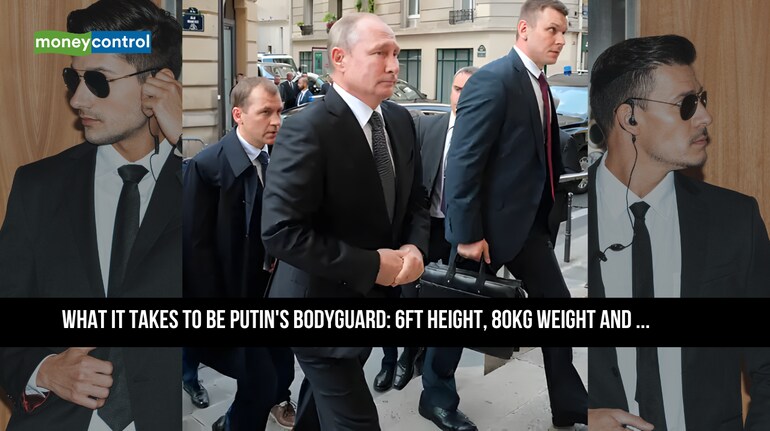
Standing near the Russian president, they are the silent sentinels. They are often seen in dark suits and sunglasses, their eyes scanning constantly. But who are these individuals entrusted with the safety of the nation's leader? Reports from Russian media over the years paint a picture of a highly specialized role with very specific demands.
According to descriptions from various Russian outlets, the physical requirements are clear. An applicant for the president's personal security must be between 175 and 190 centimeters tall (approximately 5'9" to 6'3") and weigh 75 to 90 kilograms (165 to 200 lbs). They must be under 35 years old. This combination of size and youth is sought to ensure both a formidable presence and peak physical condition.
Surprisingly, extensive combat experience is not always a primary requirement. As one former security officer explained in an interview, the job is fundamentally different from military operations. "In war, you attack. A bodyguard's sole purpose is to protect," he said. The role demands "operational psychology"—the ability to anticipate and neutralize threats before they materialize, often without anyone noticing.
The role requires more than physical strength. Russian reports indicate that guards are expected to have a basic understanding of politics and know foreign languages. This knowledge is practical: it helps them quickly assess who is approaching the president and how to respond appropriately. There are noted instances, such as when security personnel politely asked Irish fighter Conor McGregor to remove his hand from President Putin's shoulder, where this diplomatic awareness is key.
Their training focuses on extreme endurance. They learn to operate in freezing cold while wearing light coats (bulky clothing could slow them down) and to remain calm and dry in intense heat. Some reports suggest they may use certain medications to help control their body's physiological responses to stress. Interestingly, they are reportedly permitted to smoke cigarettes off duty, as it is considered a quick way to relieve tension, though never during work or training.
Due to the immense mental and physical strain of the job, the career is short. Most are discharged around the age of 35.
Additional measures, like temporary bulletproof glass screens, are often deployed for specific events. The security motorcade itself is a rolling fortress, with armored vans carrying special operations personnel armed with everything from AK-47s to portable anti-aircraft missile systems.
Perhaps the most critical factor, according to former officers, is President Putin himself. With his own background in security services, he is described as "a mostly manageable dignitary" who deeply understands and trusts his protection team. He reportedly follows their instructions without question, knowing their procedures are designed for his safety.
Their goal is never to engage in a heroic shootout. If weapons are drawn, they consider it a failure. Their true skill lies in preventing danger before it ever begins, allowing the president to move through the world within a mobile, invisible fortress maintained by men who are much more than just strong, silent figures in suits.

Discover the latest Business News, Sensex, and Nifty updates. Obtain Personal Finance insights, tax queries, and expert opinions on Moneycontrol or download the Moneycontrol App to stay updated!
Find the best of Al News in one place, specially curated for you every weekend.
Stay on top of the latest tech trends and biggest startup news.