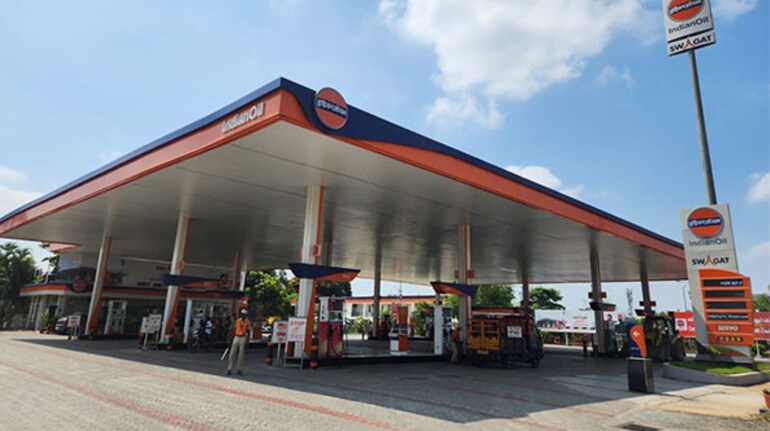

The Centre has mandated the sale of petrol blended with up to 20% ethanol and carrying a minimum Research Octane Number (RON) of 95 across all states and Union Territories from April 1, 2026.
In a February 17 notification, the oil ministry stated, "the central government hereby directs that oil companies shall sell ethanol-blended motor spirit (petrol) with percentage of ethanol up to 20% as per the Bureau of Indian Standards specifications and having minimum Research Octane Number (RON) of 95, in states and the Union Territories".
The central government can grant exemptions in special circumstances, for specific regions and for a limited duration, according to the notification.
Ethanol, produced from sugarcane, maize and grain, is a renewable and domestically sourced fuel that burns cleaner than conventional petrol.
The ethanol blending mandate is aimed at reducing crude oil imports and lowering vehicular emissions. It is also intended to support farmers by increasing demand for sugarcane, maize and other agricultural surplus.
Industry officials said most vehicles manufactured from 2023-2025 onward are compatible with E20 fuel and are unlikely to face major operational issues.
However, older vehicles could experience a marginal decline in fuel efficiency, estimated at 3-7%. Some rubber and plastic components in such vehicles may also witness faster wear.
The requirement of a minimum RON 95 is intended to safeguard engines from potential damage.
RON, or Research Octane Number, measures a fuel's resistance to engine knocking, also known as pre-ignition. Knocking occurs when fuel combusts unevenly within the engine, leading to a pinging sound, reduced performance and possible long-term engine damage.
A higher RON indicates greater resistance to knocking. In simple terms, octane reflects a fuel's ability to remain stable under high compression.
Ethanol has a naturally high octane rating of around 108 RON. Blending 20% ethanol with petrol enhances the overall knock resistance of the fuel.
After achieving 10% ethanol blending in petrol in June 2022 -- five months ahead of schedule -- the government advanced the 20% blending target to 2025-26 from the earlier 2030 deadline. Most fuel stations across the country now retail E20, or petrol blended with 20% ethanol.
According to the oil ministry, India has saved more than Rs 1.40 lakh crore in foreign exchange since 2014-15 through the substitution of petrol with ethanol.
(With PTI inputs)Discover the latest Business News, Sensex, and Nifty updates. Obtain Personal Finance insights, tax queries, and expert opinions on Moneycontrol or download the Moneycontrol App to stay updated!
Find the best of Al News in one place, specially curated for you every weekend.
Stay on top of the latest tech trends and biggest startup news.