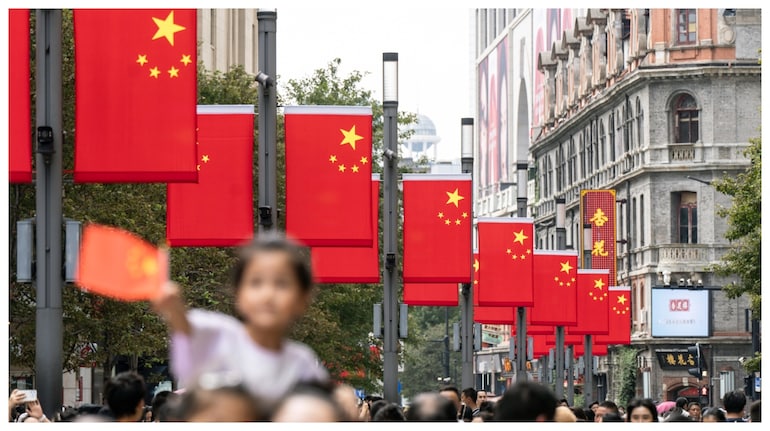
If you have spent any time on TikTok or Instagram recently, you have probably seen it. Videos of young Americans boiling apples for tea, wearing loose Adidas jackets inspired by traditional Chinese clothing, doing slow morning exercises, or joking about drinking hot water instead of iced coffee. The creators call it “Chinamaxxing”, usually half-ironically, as a way of “becoming Chinese”.
On the surface, it is playful internet culture. Underneath, it reflects a growing fascination with Chinese aesthetics, routines and everyday life, particularly among Gen Z users who are consuming far more Chinese-origin content than previous generations, CNN reported.
Why this feels different from K-pop or Japan hype
The US has seen Asian cultural waves before. Japanese food, anime and design went global decades ago. South Korea’s K-dramas, K-pop and beauty industry followed, becoming mainstream Western obsessions. China, however, has long been seen differently.
Unlike Japan or South Korea, China is an authoritarian state and a strategic rival of the US, not an ally. For years, analysts argued that Beijing struggled to convert economic power into cultural appeal. “Chinamaxxing” suggests that gap may be narrowing, even if unintentionally.
This shift is not being driven by state messaging or official cultural diplomacy. It is emerging organically, through memes, fashion, gaming, social media platforms and viral videos that frame China as futuristic, efficient and oddly comforting.
The role of disillusionment at home
Experts say the trend says as much about America as it does about China. Many young Americans are growing up amid political polarization, gun violence, high living costs, racial tensions and immigration crackdowns. For some, the US no longer feels like the natural centre of the world or the default model of a good life.
Against that backdrop, videos of Chinese cities with dense skylines, extensive public transport, electric vehicles and apparently clean, orderly streets land differently. They offer a contrast to aging infrastructure and economic anxiety at home, even if that contrast is highly curated and incomplete.
Social media exposure is changing perceptions
Another factor is simple visibility. Chinese platforms, games, films and consumer products are increasingly hard to ignore globally. As more Americans encounter Chinese tech, fashion accessories, video games and apps, their idea of what China produces is expanding beyond cheap manufacturing or geopolitical headlines.
The recent migration of US users to Xiaohongshu, also known as RedNote, accelerated this exposure. For the first time, large numbers of Americans and Chinese users began interacting directly online, bypassing the usual media filters that shape mutual perceptions.
Why the ‘cool China’ image is selective
The China presented in viral videos is not the whole story. Wages are lower than in the US, censorship is real, housing markets are volatile, and political freedoms are tightly constrained. Those realities rarely feature in “Chinamaxxing” content.
What spreads instead is a stylised version of modernity: neon skylines, drone shows, high-speed rail, futuristic metro systems and electric vehicles. It is aspirational, not analytical, and it often flattens complexity into vibes.
What this means for soft power
Beijing has spent years investing in soft power across Africa, Latin America and Southeast Asia, often through infrastructure, trade and technology. In the West, especially the US, those efforts were blunted by mistrust and policy barriers.
“Chinamaxxing” is not a coordinated success story for Chinese diplomacy. But it hints at a cultural opening created by generational change, algorithm-driven media and American self-doubt. As one scholar put it, the trend reveals more about how young Americans feel about America than how they feel about China.
Will it last, or is it just a meme?
Internet culture moves fast, and many participants treat “Chinamaxxing” as ironic or tongue-in-cheek. The trend has also drawn criticism, including accusations of cultural appropriation and glossing over China’s political realities.
Still, even brief moments like this matter. They create small bridges between societies that are otherwise locked in rivalry and suspicion. For a generation that did not grow up seeing China solely as an adversary, curiosity is replacing reflexive fear.
Whether that curiosity deepens or fades will depend less on TikTok trends and more on what both countries become in the years ahead.
Discover the latest Business News, Sensex, and Nifty updates. Obtain Personal Finance insights, tax queries, and expert opinions on Moneycontrol or download the Moneycontrol App to stay updated!
Find the best of Al News in one place, specially curated for you every weekend.
Stay on top of the latest tech trends and biggest startup news.