






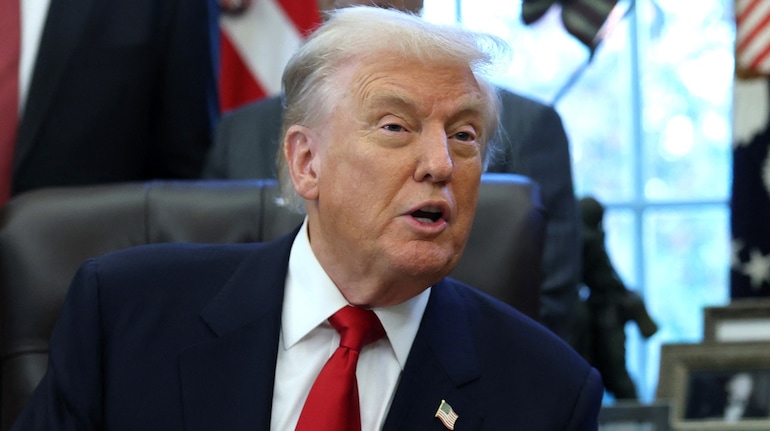
As Donald Trump prepares to address US Congress, the political backdrop is increasingly uncomfortable. Poll after poll now points to the same conclusion: a large majority of Americans believe the president is not paying attention to the issues that matter most to them, the New York Times reported.
A CNN poll released this week puts the number at nearly 70 percent. That is a sharp rise from early 2025, when a slimmer majority felt the same way. What makes the shift politically significant is not just the headline figure, but where it is coming from. Young voters, independents and nonwhite Americans, groups that helped power Trump’s return to office, are among the most likely to say his priorities are misplaced.
A growing sense of misalignment
The polling does not suggest voters are uniformly hostile to Trump or his agenda. Instead, it reflects a widening gap between what the president emphasises and what many Americans want him to fix. Voters are drawing a distinction between activity and relevance. They see a White House that is busy and combative, but not necessarily focused on easing day-to-day pressures.
This sense of misalignment shows up repeatedly in open-ended responses. People talk less about ideology and more about exhaustion: the feeling that political energy is being spent on fights that do not lower prices, improve wages or make life more predictable.
The economy still dominates voter concerns
Nothing illustrates the problem more clearly than inflation. Only about a third of Americans approve of Trump’s handling of rising prices, according to recent polling. That number is striking not just for how low it is, but for what it signals. Inflation is a slow-burn issue. When voters remain unhappy this far into a term, it suggests they do not see a credible path to relief.
Grocery costs, housing expenses and insurance premiums come up again and again in surveys. For many households, these are not abstract economic indicators. They are weekly reminders that their financial cushion is thin. Against that backdrop, policy debates that do not connect clearly to cost-of-living relief struggle to gain traction.
Immigration: support with limits
Immigration remains one of Trump’s stronger issues, but even here the numbers are uneven. Polls show higher approval for his handling of the US-Mexico border than for his broader immigration policies. That gap matters. It suggests voters may agree with the goal of border control, while questioning the follow-through, tone or secondary effects of the administration’s approach.
Among independents in particular, there is evidence of fatigue. Many say immigration should be addressed, but not at the expense of economic focus. When asked what they want Trump to talk about in major speeches, immigration consistently trails far behind the economy and cost of living.
Tariffs and trade battles fall flat
Trade policy is another area where voter patience appears limited. Approval for Trump’s tariff strategy remains below 40 percent, even as he looks for ways to revive levies after recent court setbacks. While tariffs are often framed as a tool to protect domestic industry, many voters remain unconvinced that they help households directly.
In practical terms, tariffs are associated in the public mind with higher prices, not lower ones. For families already squeezed by inflation, that association makes it harder for trade battles to feel urgent or worthwhile.
Independents and younger voters drifting away
Perhaps the most concerning signal for the White House is the erosion of support among independents. Trump’s approval rating within this group has fallen sharply over the past year. Younger voters show a similar pattern, with many saying the president is not addressing their biggest anxieties, including housing affordability, job security and debt.
These voters are not necessarily ideologically opposed to Trump. What the polling suggests is something more basic: impatience. They want results that show up in their monthly budgets, not just arguments that dominate headlines.
What the State of the Union needs to do
State of the Union addresses often preach to the converted. Supporters tune in, critics tune out. But this year’s speech carries a different challenge. The numbers show that even sympathetic audiences are questioning priorities.
If Trump wants to shift the narrative, the polling points to a clear path. Voters want specificity on prices, wages and everyday costs. They want to hear less about who is winning political fights and more about how their own lives will feel easier six months from now.
The message from the data is blunt. Many Americans are not rejecting the president outright. They are saying, in effect, that he is talking past them. Until that gap closes, the perception that Trump is focused on the wrong things is likely to persist, no matter how forcefully he makes his case.
Discover the latest Business News, Sensex, and Nifty updates. Obtain Personal Finance insights, tax queries, and expert opinions on Moneycontrol or download the Moneycontrol App to stay updated!
Find the best of Al News in one place, specially curated for you every weekend.
Stay on top of the latest tech trends and biggest startup news.




