




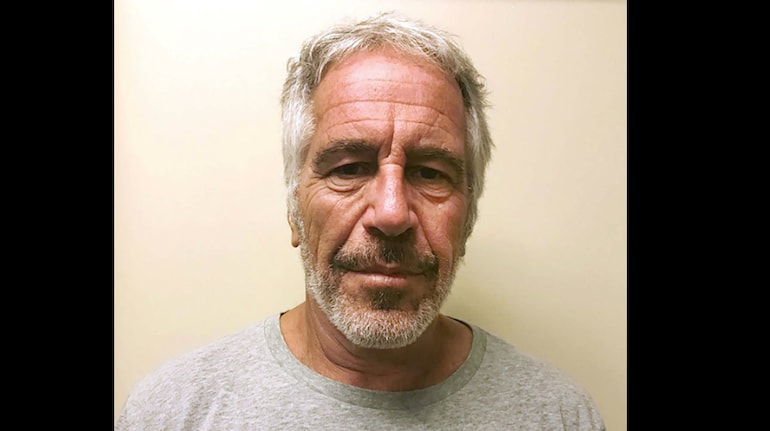
Thousands of pages of newly released documents from Jeffrey Epstein's estate have shed light on an uncomfortable reality for elite universities: even after Epstein pleaded guilty in 2008 and served jail time for soliciting prostitution from a minor, some leading US institutions' most prominent academics remained in touch with him. They asked for funding, discussed personal matters, and sought access to his network. The emails reveal a world where influence, reputation, and research money were intertwined and where some scholars were willing to overlook or minimize the seriousness of his crimes, the New York Times reported.
Academics seeking advice and support
One of the most striking disclosures involves Lawrence Krauss, then a professor at Arizona State University. Confronted by media inquiries into allegations of sexual misconduct in the early months of the #MeToo movement in 2017, he reached out to Epstein for guidance on how to respond. Epstein advised Krauss to issue a brief letter stating that the accusations were false or had been dismissed. Their exchange suggests a level of trust and reliance that endured despite Epstein's history of committing sex crimes. Krauss later said that he sought advice from numerous people at the time and maintained that the allegations against him were untrue.
Harvard and MIT connections
Documents reveal that Epstein's influence penetrated deep into Harvard and the Massachusetts Institute of Technology; despite official bans on accepting his donations, some academics continued to engage with him privately. Former Harvard president Lawrence H. Summers corresponded with Epstein about personal matters, and Harvard is now reviewing links between Epstein and people associated with the university. Emails indicate that Epstein helped arrange or direct donations to projects connected to Summers's wife, Elisa New, prompting renewed scrutiny.
At Harvard, the mathematician and biologist Martin Nowak had a longstanding relationship with Epstein that began when he donated $6.5 million in 2003 to establish the Program for Evolutionary Dynamics. According to reports, Epstein visited Harvard around 40 times after his conviction while Nowak continued to stay in touch with him for years. Harvard eventually sanctioned Nowak and shut down the program in 2020, but the new emails show how close the relationship remained.
Funding pressures and personal networks
This correspondence reveals how needs for funding dictated behaviour. In 2018, the evolutionary biologist Robert Trivers wrote to Epstein to thank him for his support and to request more money, even enquiring about concerns in the stock market and seeking investment advice. Previously, Trivers had publicly defended Epstein in ways that included making comments about teenage girls that drew widespread condemnation. His emails illustrate how financial dependency and personal loyalty might override ethical considerations.
At MIT, the Media Lab under Joichi Ito secretly accepted money connected to Epstein and sought further funding from his network. Emails from 2019 show Epstein and Ito discussing how to route donations through associates such as Leon Black after MIT rejected direct contributions. The scandal eventually led to Ito's resignation from the university and the board of The New York Times Company.
Problematic language and attitudes
The emails also expose disturbing conversations between Epstein and some academics. Conversations include dismissive comments about sexual misconduct allegations, along with disparaging remarks about women and minorities. In one instance, AI researcher Joscha Bach penned statements that connected race with cognitive development, and said that women found abstract thinking uninteresting. Bach later disavowed those remarks and said he continued to work with Epstein because senior researchers assured him Epstein had reformed.
Efforts to rehabilitate Epstein's image
On his release from jail in 2009, Epstein took an active interest in restoring his reputation. Emails detail efforts to have favourable articles placed online portraying him as a patron of science. His publicist lined up interviews with academics, and Epstein tried to emphasize his support for research. Some scholars seemed willing to play along in the hope that funding opportunities would continue.
Why the relationships persisted
The material indicates that Epstein's wealth and connections bought him a way into the most elite academic circles even after his conviction. To researchers who face competitive funding environments, Epstein offered cash, introductions, and prestige. One Harvard figure once compared him to an avid collector of art, saying he "collects scientists." The newly released emails show just how transactional those relationships could be, with both sides offering something the other valued.
The latest release has reopened uncomfortable questions about universities' oversight of donors and the ethical responsibilities of their faculty. Some academics now say they regret their associations, but the correspondence reveals that many were willing to keep open ties to Epstein well after his crimes became notorious. With more documents likely forthcoming, institutions face fresh scrutiny over how deeply Epstein's influence penetrated into the inner workings of their research communities and why it was tolerated for so long.
Discover the latest Business News, Sensex, and Nifty updates. Obtain Personal Finance insights, tax queries, and expert opinions on Moneycontrol or download the Moneycontrol App to stay updated!
Find the best of Al News in one place, specially curated for you every weekend.
Stay on top of the latest tech trends and biggest startup news.









