




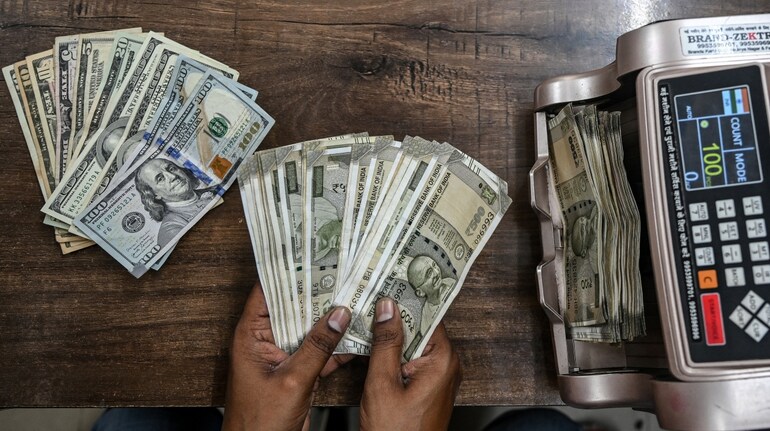
In a major relief for thousands of Indian professionals in the United States and the broader non-resident Indian (NRI) community, the updated draft of the One Big Beautiful Bill Act (OBBBA) has significantly reduced the proposed tax on remittances from 5 per cent to just 1 per cent.
What was the concern?
The original version of the bill, passed by the US House of Representatives in May 2025, had proposed a 5 per cent tax on any remittance sent from the US to foreign countries via cash, money orders, or cashier's checks. This sparked concern among many Indian workers in the US, especially those on temporary visas like H-1B or H-2A, who frequently send money home to support family, pay off loans, or invest in India.
A 5 per cent deduction on each transfer would have substantially increased the cost of sending money back home, putting added financial strain on professionals already facing high living expenses, visa uncertainties, and limited financial flexibility.
What has changed in the revised draft?
The latest version of the OBBBA, released this week, introduces several critical changes. Remittance tax has been lowered to 1 per cent, down from the initially proposed 5 per cent. Moreover, the tax applies only to transfers made via cash, money orders, or cashier's checks. Transfers from US bank accounts, debit cards, and credit cards are exempt.
The revised One Big Beautiful Bill states: "There is hereby imposed on any remittance transfer a tax equal to 1% of the amount of such transfer."
"The tax imposed by this section with respect to any remittance transfer shall be paid by the sender with respect to such transfer," the updated draft also says.
How does this help Indian professionals?
Lower cost of sending money home: A reduced tax rate means significantly lower charges on remittances, especially for those who need to send frequent transfers to support family or manage investments in India.
Digital transfers unaffected: Most Indian professionals today use bank accounts or digital platforms to send money home. Since transfers from bank accounts and US-issued cards are exempt, the vast majority of NRIs may not even be affected by the 1 per cent tax, if they avoid cash-based channels.
More clarity and stability: The revised draft brings clearer guidelines, allowing NRIs to plan finances and choose remittance methods that are tax-efficient. It also eases the anxiety that followed the initial bill, especially among H-1B visa holders, students, and Green Card applicants.
Positive signal for Indian-American community: The rollback is seen as a response to concerns raised by immigrant communities, including the large and influential Indian diaspora, showing that their voices are being heard in U.S. policymaking.
Discover the latest Business News, Sensex, and Nifty updates. Obtain Personal Finance insights, tax queries, and expert opinions on Moneycontrol or download the Moneycontrol App to stay updated!
Find the best of Al News in one place, specially curated for you every weekend.
Stay on top of the latest tech trends and biggest startup news.