






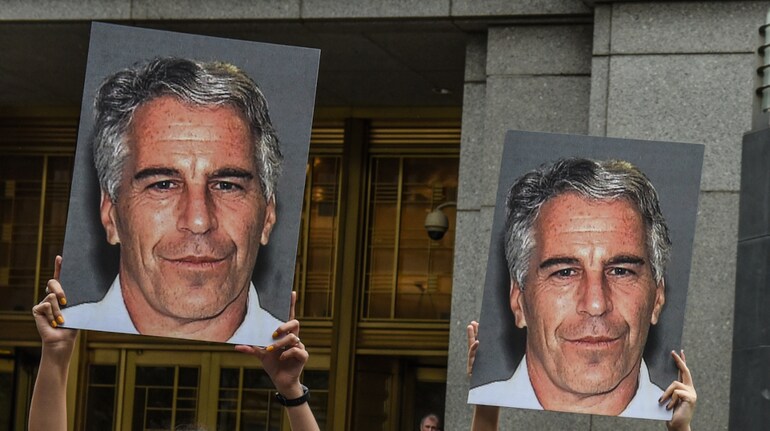
The US government’s latest release of documents related to Jeffrey Epstein has triggered a fresh wave of consequences for people connected, directly or indirectly, to the disgraced financier. While Epstein died in custody in 2019, the newly released files have reopened scrutiny of his relationships with politicians, business leaders, lawyers and public figures across several countries.
The release runs into roughly 3 million pages and includes court filings, internal communications, investigative notes and unverified allegations collected by law enforcement agencies over many years. US Congress passed the law mandating the disclosure last year, and the US Justice Department published the material in January 2026.
Arrests, resignations and reputational damage
Since the documents became public, the impact has been uneven but significant, CNN reported. A former European royal has been stripped of his title and arrested. Diplomats and ambassadors have been dismissed, with some facing criminal charges. In the US legal world, one high-profile attorney has announced plans to step down, while another resigned as head of a major New York law firm.
Corporate fallout has followed as well. At least one chief executive has resigned over his longstanding association with Epstein, even though that relationship predated Epstein’s most serious criminal charges.
These developments underline how proximity to Epstein, even years after his conviction, has become professionally radioactive.
Why Epstein’s network matters
Epstein pleaded guilty in 2008 to state charges in Florida related to soliciting prostitution from a minor, a deal that allowed him to avoid federal prosecution at the time. Despite that conviction, he continued to move in elite circles until his 2019 arrest on federal sex trafficking charges.
Only one person, his former partner Ghislaine Maxwell, has so far been convicted and imprisoned for helping facilitate the abuse. Others faced public criticism over the years, but few experienced lasting consequences. The current document release has changed that calculus by putting primary source material into the public domain.
Collateral damage and indirect consequences
Not everyone affected appears directly in the files. In the UK, a senior political aide resigned over his role in appointing a US ambassador who was later arrested over allegations tied to Epstein-era dealings. In another case, a prominent talent agency owner is selling his business after the documents revealed old messages exchanged with Maxwell, even though they predated public allegations.
These cases highlight how reputational harm is spreading beyond those directly named in the files.
What the files do — and do not — prove
Being mentioned in the Epstein files does not, by itself, indicate criminal wrongdoing. Many of the individuals named deny any misconduct, and some say they regret ever knowing Epstein. The files also include unverified claims that were never tested in court.
There are also unanswered questions about redactions and whether additional material remains undisclosed. As with previous releases, the documents raise as many questions as they answer.
What happens next
The political and legal reverberations are still unfolding. More resignations, investigations or clarifications are possible as journalists, lawyers and the public continue to sift through the material.
For now, the Epstein files serve as a reminder that accountability can be delayed, but rarely disappears entirely.
Discover the latest Business News, Sensex, and Nifty updates. Obtain Personal Finance insights, tax queries, and expert opinions on Moneycontrol or download the Moneycontrol App to stay updated!
Find the best of Al News in one place, specially curated for you every weekend.
Stay on top of the latest tech trends and biggest startup news.




