






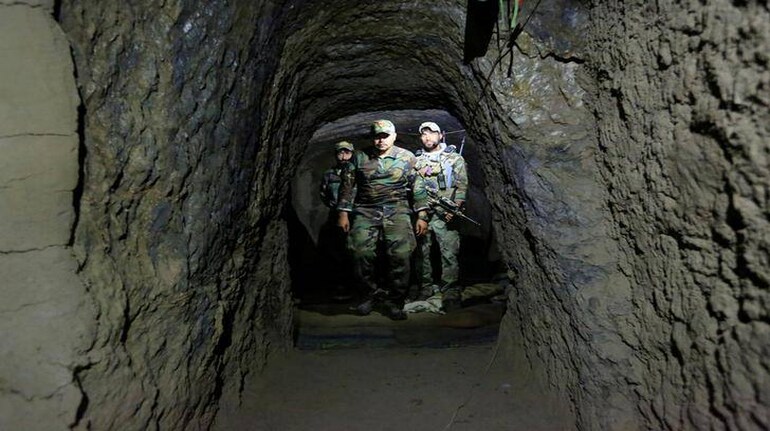

The most famous precedent of a serving leader who was captured on the ground with US involvement was Iraqi President Saddam Hussein. On December 13, 2003, during the Iraq War, US military forces conducted Operation Red Dawn, where they found Saddam hiding in a small underground hideout near Ad-Dawr. After he was taken into custody, he was tried by an Iraqi tribunal for crimes such as genocide and then executed in 2006. The capture of Saddam was part of a bigger military operation since the US-led invasion of Iraq in 2003.
While direct capture of sitting leaders is rare, US military and intelligence actions have previously played key roles in regime changes that resulted in leaders losing power. Such was the case with the removal of General Manuel Noriega of Panama in December 1989 during the US invasion codenamed Operation Just Cause. Noriega took sanctuary in the Vatican embassy in Panama City, but finally turned himself in to US forces in January 1990 and was transported to the United States to face drug trafficking charges. Although not taken from office in the same dramatic raid seen with Maduro, Noriega's removal showed US willingness to use military force to effect leadership change when national policy interests are involved.
On January 3, 2026, the United States undertook a military incursion in Venezuela, resulting in the arrest of President Nicolás Maduro and his wife, Cilia Flores, in Caracas. US special operations forces took them into custody and transported them to New York to face accusations of narco-terrorism conspiracy and cocaine importation conspiracy in US federal court. It was a rare case in which a sitting head of state had been captured on foreign soil by the United States, underscoring the remarkable nature of the situation.
It is not a common thing under international norms to seize the head of state; most interventions have been framed through diplomatic pressure or through support for opposition movements, rather than direct capture. Such operations have been shrouded in controversy, with questions even about the legality of actions in regard to international law and country sovereignty. In Maduro's case, the US government cited criminal indictments in its own courts as justification, but critics said that military force against a sovereign leader without broader international authorization sets a difficult precedent.
All in all, though the US has been involved in regime change and capturing specific leaders, such as Hussein and Noriega, the detention of a sitting president like Maduro is rare in modern geopolitics and could shape how discussion of any future international interventions may be framed.
Discover the latest Business News, Sensex, and Nifty updates. Obtain Personal Finance insights, tax queries, and expert opinions on Moneycontrol or download the Moneycontrol App to stay updated!
Find the best of Al News in one place, specially curated for you every weekend.
Stay on top of the latest tech trends and biggest startup news.





