






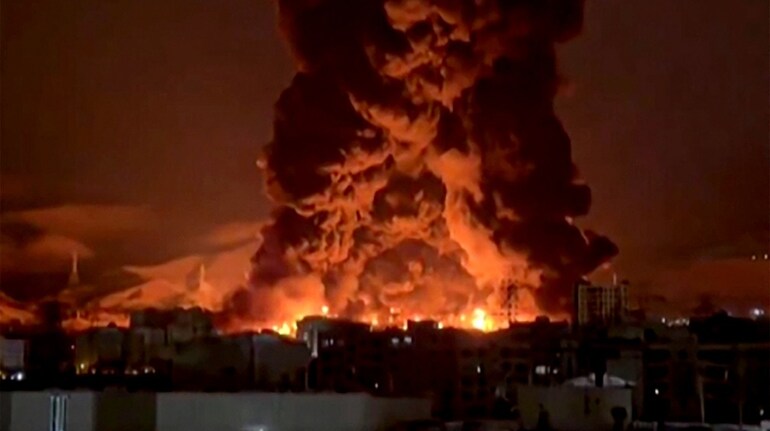

Tensions have emerged between the United States and Israel after Israeli forces carried out large scale strikes on Iranian fuel infrastructure, a move that has reportedly frustrated officials in Washington amid fears of a wider regional escalation.
Israeli attacks on around 30 fuel storage facilities in Iran have raised concerns inside the US administration, with officials warning that targeting energy infrastructure could expand the conflict and destabilise global oil markets.
Israeli strikes trigger concern in Washington
The strikes targeted Iranian fuel depots and storage facilities, sparking massive fires and plumes of smoke in several locations in Tehran. The attacks marked one of the most significant escalations in the conflict so far, as energy infrastructure had largely remained outside the direct line of fire until now.
However, US officials were reportedly caught off guard by the scale of the operation.
Officials familiar with the discussions said Washington had been informed about Israeli plans but did not expect attacks on such a large number of fuel depots. The scope of the strikes has reportedly left US officials “dismayed”, according to officials cited in media reports.
The concern reflects fears within the US administration that the move could significantly widen the conflict.
Fear of global oil market shock
One of the biggest worries in Washington is the potential impact on global energy markets.
Attacks on Iran’s fuel infrastructure risk triggering retaliation that could disrupt oil supplies across the Middle East. American officials fear Iran could respond by targeting oil installations in neighbouring countries or by threatening shipping routes through the Strait of Hormuz, a crucial artery for global energy trade.
Any disruption in this corridor could lead to sharp spikes in oil prices and add pressure to an already fragile global economy.
Concern over strengthening Iran’s leadership
US officials are also worried that the strikes could backfire politically inside Iran.
Some policymakers in Washington believe that attacks on civilian energy infrastructure may help the Iranian leadership rally domestic support by portraying itself as the victim of foreign aggression.
According to officials familiar with the matter, the US administration believes the strikes could inadvertently strengthen public backing for the Iranian government at a time when it was already facing internal pressures.
Diplomatic visit cancelled amid crisis
The tensions have also affected diplomatic engagements related to the crisis.
According to Channel 12, the planned visit to Tel Aviv by Steve Witkoff and Jared Kushner, two key figures involved in former US President Donald Trump’s Middle East diplomacy, has been cancelled.
The two were scheduled to arrive in Israel on Tuesday. However, the visit was called off following overnight developments in the rapidly escalating regional situation.
The sudden cancellation underscores the volatility of the situation as the conflict continues to intensify.
War in the region continues to expand
The latest tensions come amid a rapidly widening conflict across the Middle East.
The war began on February 28 when the United States and Israel launched coordinated strikes on Iran, killing Supreme Leader Ayatollah Ali Khamenei. Iran responded with missile and drone attacks targeting Israel and US military facilities across the region.
Since then, the confrontation has spread across several fronts, raising fears of a broader regional war.
A rare disagreement between allies
Despite their close strategic partnership, the fuel depot strikes appear to have created one of the first visible points of friction between Washington and Tel Aviv since the conflict began.
While the US continues to back Israel’s broader military campaign against Iran, officials are increasingly concerned that attacks on sensitive infrastructure could trigger unpredictable economic and geopolitical consequences.
As the conflict escalates, Washington now faces the delicate task of supporting its ally while trying to prevent the crisis from spiralling into a much larger regional confrontation.
Discover the latest Business News, Sensex, and Nifty updates. Obtain Personal Finance insights, tax queries, and expert opinions on Moneycontrol or download the Moneycontrol App to stay updated!
Find the best of Al News in one place, specially curated for you every weekend.
Stay on top of the latest tech trends and biggest startup news.





