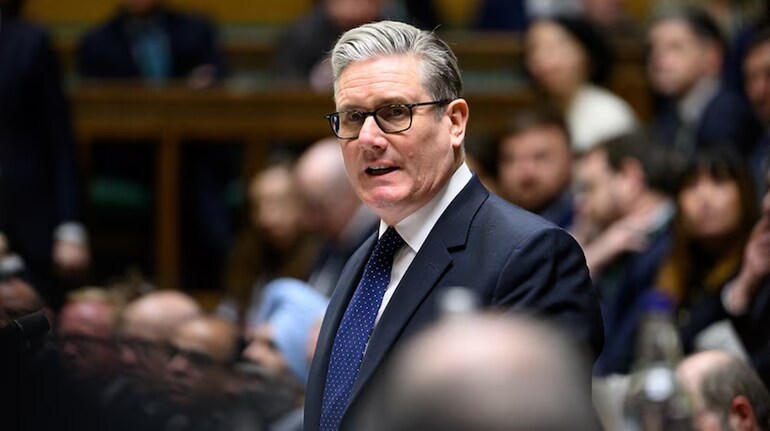
UK Prime Minister Keir Starmer is set to visit China next week alongside Finance Minister Rachel Reeves, as countries explore business opportunities in Beijing amid uncertainties created by US President Donald Trump’s assertive trade policies.
Britain hopes to promote a range of goods and services to China, including financial products such as pensions, insurance, and wealth management services, as well as luxury cars, clothing, and whisky.
While China is restricted from investing in sensitive sectors of the UK economy, such as nuclear power and core mobile networks, it has participated in renewable energy projects, infrastructure, and real estate investments.
Parliament approves controversial embassy plan
The trip was reportedly at risk of being postponed if delays in approving China’s plan to build what would be Europe’s largest embassy in London had created too significant a political setback.
However, earlier this week, the British Parliament approved the embassy project, dismissing concerns from some politicians who warned that the new building could make it easier for China to conduct espionage.
China was Britain’s fourth-largest trading partner, with trade totalling around £100 billion in the 12 months to the end of Q2 2025, according to government data.
Among those joining Starmer on the business delegation is Brendan Nelson, chairman of HSBC, Europe’s largest bank, a source familiar with the plans told Reuters.
A revamped UK-China CEO Council is also expected to be unveiled next week, with participation from major companies including AstraZeneca, HSBC, and Jaguar Land Rover.
Global trend: Countries move closer to China
Starmer’s visit follows Canadian Prime Minister Mark Carney’s trip earlier this month. Carney hailed a “landmark deal” under a “new strategic partnership” with China, signalling a breakthrough after years of diplomatic tensions, retaliatory arrests, and tariff disputes.
“Canada and China have reached a preliminary but landmark trade agreement to remove trade barriers and reduce tariffs,” Carney said after meeting Xi Jinping. The Canadian leader has been seeking to reduce reliance on the US, its traditional economic partner, as President Trump continues to impose aggressive tariffs on Canadian products.
Germany is also pursuing closer ties with Beijing. Chancellor Friedrich Merz is scheduled to visit China in February 2026 as part of his “de-risking” strategy. Earlier this month, he took a high-profile trip to India to emphasise economic diversification.
Merz’s upcoming visit to Beijing aims to stabilise relations with Germany’s largest trading partner and secure market access for German industries, particularly as global trade tensions escalate.
Discover the latest Business News, Sensex, and Nifty updates. Obtain Personal Finance insights, tax queries, and expert opinions on Moneycontrol or download the Moneycontrol App to stay updated!
Find the best of Al News in one place, specially curated for you every weekend.
Stay on top of the latest tech trends and biggest startup news.