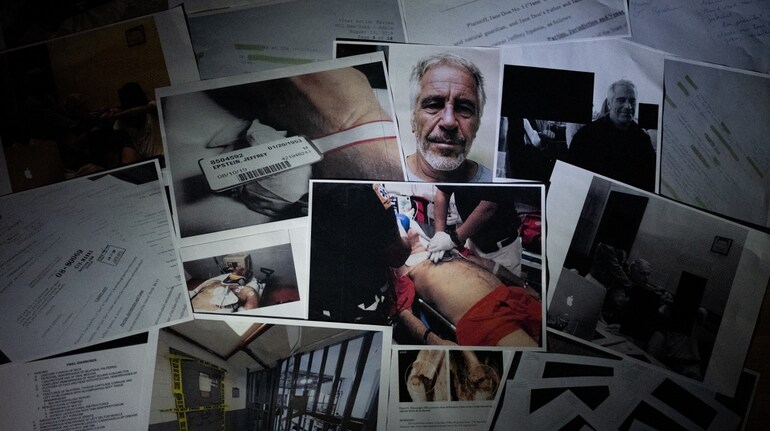

For survivors of Jeffrey Epstein’s abuse network, the passage of time has not brought closure. Instead, it has opened space for voices long suppressed by fear, manipulation and power. As court records, investigative reports and survivor testimonies continue to surface, a grim pattern emerges. Epstein’s crimes were not isolated acts of sexual violence. They were systematic, calculated and deeply psychological, leaving scars that reshaped lives long after the abuse ended.
In recent weeks, renewed attention has followed the testimony of Rina Oh, who spoke publicly for the first time about what she endured in the late 1990s. Her account mirrors those of many survivors who say Epstein exploited ambition, vulnerability and trust to lure young women into his control.
Oh said Epstein initially framed his interest as benevolent. “I’m offering you a scholarship with no strings attached, and you never have to see me again," he told her. According to Oh, the promise quickly collapsed into pressure and coercion. When she resisted further contact, the financial support was withdrawn, reinforcing her dependence and isolation.
She described being taken to Florida and left without money or a way to leave. “I was trapped," Oh said, recounting how Epstein threatened her with physical harm if she spoke out. She stressed that the damage extended far beyond physical abuse, describing it as “psychological, emotional… devaluation."
Other survivors have echoed similar experiences of entrapment and lasting trauma. Jennifer Araoz, whose testimony has featured prominently in court proceedings, spoke about how Epstein’s abuse hollowed out her sense of self. “He robbed me of my youth, my identity, my innocence and my self-worth," she said. Araoz has repeatedly noted how shame and confusion delayed her ability to fully comprehend what had been done to her.
Chauntae Davies has been among the most outspoken survivors, confronting Epstein’s legacy directly in federal court. She testified that she was recruited under the guise of giving massages and was raped repeatedly over several years. “I’ve suffered, and he has won. Every job offer… retracted because of my connection to this case — I have suffered," she said. Yet Davies framed her continued testimony as an act of defiance. “I refuse to let this man win," she added.
Virginia Roberts Giuffre, one of the most widely known survivors, detailed the long-term devastation of Epstein’s trafficking network in her memoir. She wrote that being pulled into his orbit “robbed me of my dreams," describing sustained grooming, coercion and humiliation. Her account highlighted how the fear and psychological manipulation continued even after she escaped Epstein’s immediate control.
For Courtney Wild, the harm was compounded by the justice system’s failure to fully confront Epstein before his death. Targeted when she was just 14, Wild expressed anger and grief over losing the chance to face him in court. “Jeffrey Epstein has done nothing but manipulate our justice system," she said, adding that his death in custody had “robbed myself and all the other victims of our day in court."
Together, these testimonies paint a chilling portrait of abuse rooted in power and silence. Survivors like Rina Oh are not simply recounting the past. They are challenging a system that allowed exploitation to persist unchecked for decades. Even years after Epstein’s death, their voices continue to expose the human cost of crimes that were hidden in plain sight.
Discover the latest Business News, Sensex, and Nifty updates. Obtain Personal Finance insights, tax queries, and expert opinions on Moneycontrol or download the Moneycontrol App to stay updated!
Find the best of Al News in one place, specially curated for you every weekend.
Stay on top of the latest tech trends and biggest startup news.