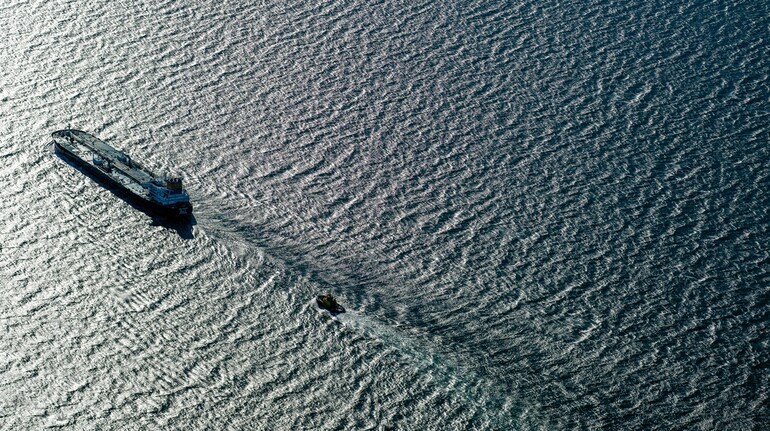

Europe is moving to make life much harder for Russia’s oil exports, and this time the focus is not just on price caps or paperwork. It is on the ships.
Since the invasion of Ukraine in 2022, Moscow has relied heavily on what has come to be known as its shadow fleet, a loose network of older tankers bought through intermediaries and registered under flags of convenience. These tankers generally avoid Western insurers and operate through dubious ownership structures, allowing Russian crude to keep flowing to buyers in India, China and Turkey even as sanctions intensified.
Now European officials are mulling over a more aggressive step: banning critical marine services such as insurance and transport support for Russian oil cargoes travelling through European waters. If approved unanimously by European Union members, it would go further than the existing price cap system introduced in late 2022, the Washington Post reported.
Why the ships matter so much
Oil is still the backbone of Russia’s budget. A huge share of its exports, millions of barrels a day, moves through the Baltic and Black seas. If that flow is disrupted, the impact is felt quickly in Moscow’s finances.
Recent months have already shown how sensitive this system is. After fresh U.S. sanctions targeted major producers like Rosneft and Lukoil, Russia reportedly had to sell its oil at steeper discounts. Revenues dropped sharply in January compared with a year earlier. The more Western companies are pushed out of the trade, the more Moscow has to depend on its shadow fleet.
That fleet is now under closer scrutiny. U.S. forces seized one tanker last month after a long pursuit. The French navy briefly intercepted another suspected vessel in the Mediterranean. European governments are also warning they may board ships that appear to be breaching maritime law or sailing under questionable flags.
Economic strain is building
Inside Russia, there are signs that the pressure is not theoretical. Business executives have spoken about rising inflation, restaurant closures in Moscow and layoffs as costs climb. Interest rates remain high, and companies have borrowed heavily to support wartime production.
Economists say oil shipping is an Achilles’ heel. If vessels face more interceptions, higher insurance costs or blocked access to ports, the strain on state revenues could deepen. With the federal budget already stretched, that would not be easy to absorb.
Ukraine has also stepped up its own efforts, targeting Russia-linked tankers with drones, adding another layer of risk to each voyage.
What happens next
The proposed European maritime ban still needs unanimous approval, which is never guaranteed. There are also concerns about global oil prices and whether markets could react sharply.
But the direction of travel is clear. Instead of just limiting how much Russia can earn per barrel, Western governments are looking at whether they can make it physically harder to move those barrels at all.
For Moscow, keeping its oil lanes open is not just a commercial issue. It is central to funding the war. And for Europe, squeezing those lanes has become one of the most direct ways to apply pressure.
Discover the latest Business News, Sensex, and Nifty updates. Obtain Personal Finance insights, tax queries, and expert opinions on Moneycontrol or download the Moneycontrol App to stay updated!
Find the best of Al News in one place, specially curated for you every weekend.
Stay on top of the latest tech trends and biggest startup news.