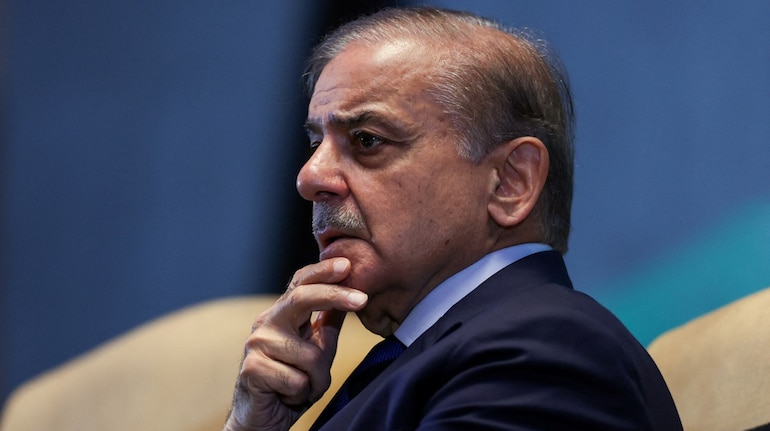

Pakistan has once again dropped any pretence of separating the state from extremism. In a move that intelligence officials describe as deeply alarming, Prime Minister Shehbaz Sharif on Friday hosted a delegation of hardline religious clerics at the Prime Minister’s Office, formally drawing them into what is being pitched as a renewed “information warfare” campaign against India, reports CNN-News18. The development follows a similar outreach by the army’s media wing and signals a coordinated state effort to revive jihadist messaging under official patronage.
CNN-News18 quoted senior intelligence sources as saying that the core objective of the outreach is to resurrect the Kashmir jihad narrative and cloak it in religious legitimacy. The plan is to frame hostility towards India as a so-called “battle for truth”, with mosque sermons and Friday prayers across Pakistan used as amplification tools.
Clerics with extremist links invited to PMO
The delegation was led by Hafiz Tahir Mahmood Ashrafi, chairman of the National Paigham-i-Aman Committee, whom Sharif recently reappointed as a special coordinator. Ashrafi and several members of the committee have well-documented proximity to banned terror outfits such as Jaish-e-Mohammad and Lashkar-e-Taiba.
By giving these figures access to the highest civilian office, Islamabad appears to be normalising what intelligence officials describe as “legitimised jihad.” Sources told CNN-News18 that the intent is to push a synchronised anti-India narrative nationwide, using religious authority as a shield against scrutiny.
Kashmir rhetoric and blame shifting
During the meeting, Sharif repeated the military’s standard line on Kashmir and claimed Pakistan would “drown terrorism in the Indian Ocean.” Yet his tone changed sharply when addressing Pakistan’s internal security collapse. He alleged a “nexus” between the Tehreek-e-Taliban Pakistan and the Afghan Taliban, claiming both were funded and supported by India and Afghanistan.
Intelligence sources say this accusation is a calculated attempt to deflect public anger away from Pakistan’s own failures and redirect it towards external enemies. The narrative, they add, is designed to malign India’s growing diplomatic influence while absolving the Pakistani state of responsibility for the terror networks it has long nurtured.
State and extremists back in lockstep
The parallel outreach by the civilian government and the military’s media apparatus highlights a deepening state-terror symbiosis. Instead of dismantling extremist infrastructure, Islamabad is once again empowering clerics to front a jihad-driven Kashmir narrative, while maintaining deniability abroad.
Officials in New Delhi view the move as a desperate response to setbacks following Operation Sindoor. With conventional options constrained, Pakistan appears to be falling back on its old playbook, mobilising religious fervour to consolidate domestic support and mask strategic failure.
By assuring full cooperation to these clerics, the Pakistani state is effectively outsourcing its foreign policy to extremist elements it publicly claims to oppose. The message is unmistakable. When pressure mounts, Islamabad does not reform. It radicalises.
Discover the latest Business News, Sensex, and Nifty updates. Obtain Personal Finance insights, tax queries, and expert opinions on Moneycontrol or download the Moneycontrol App to stay updated!
Find the best of Al News in one place, specially curated for you every weekend.
Stay on top of the latest tech trends and biggest startup news.